THE ADVENTURE COLLECTIVE® · Independent discovery and booking for outdoor travel

Ride the ‘Symphony of Blue’ from Osaka to experience Yoshino’s famed cherry terraces and the sacred calm of Koyasan shukubo over two days. This compact cultural tour pairs seasonal spectacle with centuries-old monastic life.
Ride the ‘Symphony of Blue’ from Osaka to experience Yoshino’s famed cherry terraces and the sacred calm of Koyasan shukubo over two days. This compact cultural tour pairs seasonal spectacle with centuries-old monastic life.
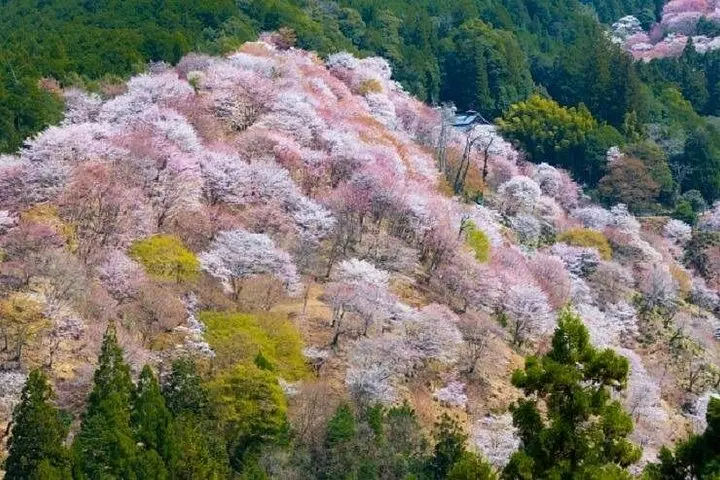
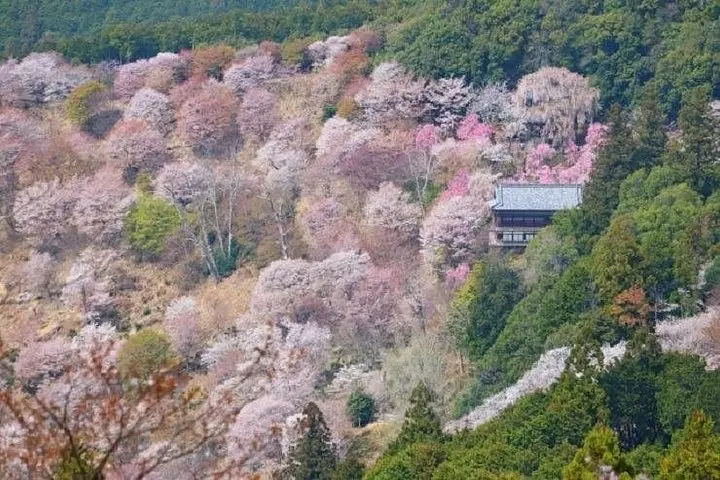
You step off the dark-blue ‘Symphony of Blue’ and the air changes—cool, sharp, threaded with cherry-scent and cedar smoke. By midmorning the slopes of Yoshino open into terraces of pale pink that seem to move with the breeze; later you trade petals for the hush of Koyasan’s cedar avenues where lanterns and stone markers mark time differently.
Verified experiences and guided adventures in the surrounding area.
Operated by H.I.S.Co., Ltd. · Yoshino, Nara
You step off the dark-blue ‘Symphony of Blue’ and the air changes—cool, sharp, threaded with cherry-scent and cedar smoke. By midmorning the slopes of Yoshino open into terraces of pale pink that seem to move with the breeze; later you trade petals for the hush of Koyasan’s cedar avenues where lanterns and stone markers mark time differently.
Yoshino has drawn hanami pilgrims for over a thousand years; the mountain’s schist and sandstone slopes favor terrace planting, creating the layered cherry-viewing that made it famous in Heian-era poetry. Koyasan, founded by Kobo Daishi in the 9th century, is a living monastic complex: Kongobuji’s sliding-door paintings, okuno-in’s endless grave markers, and shukubo kitchens that follow shojin ryori vegetarian rules.
Expect two contrasting days: the buoyant, crowds-and-views energy of Yoshino’s cherry avenues and the contemplative quiet of Koyasan’s temple precincts. Short bus hops connect the highlights; walking is moderate but steady—stone steps, village lanes, and temple grounds.
Practical guide: arrive with a compact daypack, layered clothing for cool mornings and warmer afternoons, and comfortable shoes with good grip for wet stone paths. Carry cash for small temple fees and souvenir sweets; lunch is generally on your own in Yoshino, while dinner and breakfast are included at the shukubo. If you stay overnight at a temple, be prepared for communal sleeping arrangements and early-morning chanting. For peak blossom season, book early and plan flexible travel times—trains and buses fill quickly.
Lunch on the first day is not included—there are local eateries in Yoshino where you can choose meals; shukubo dinner and breakfast are provided.
Yes—this itinerary includes one night at temple lodging where you’ll experience shojin ryori and may participate in morning chants.
The tour involves walking on uneven stone steps and paths and is not suitable for wheelchair users; travelers with serious mobility restrictions should check in advance.
Peak bloom varies each year—usually mid‑March to early April depending on temperatures; plan to be flexible and book early for peak weeks.
H.I.S.Co., Ltd. operates guided outdoor trips and adventures with an emphasis on safety, stewardship, and memorable experiences.

You step off the dark-blue ‘Symphony of Blue’ and the air changes—cool, sharp, threaded with cherry-scent and cedar smoke. By midmorning the slopes of Yoshino open into terraces of pale pink that seem to move with the breeze; later you trade petals for the hush of Koyasan’s cedar avenues where lanterns and stone markers mark time differently.
You step off the dark-blue ‘Symphony of Blue’ and the air changes—cool, sharp, threaded with cherry-scent and cedar smoke. By midmorning the slopes of Yoshino open into terraces of pale pink that seem to move with the breeze; later you trade petals for the hush of Koyasan’s cedar avenues where lanterns and stone markers mark time differently.
Yoshino has drawn hanami pilgrims for over a thousand years; the mountain’s schist and sandstone slopes favor terrace planting, creating the layered cherry-viewing that made it famous in Heian-era poetry. Koyasan, founded by Kobo Daishi in the 9th century, is a living monastic complex: Kongobuji’s sliding-door paintings, okuno-in’s endless grave markers, and shukubo kitchens that follow shojin ryori vegetarian rules.
Expect two contrasting days: the buoyant, crowds-and-views energy of Yoshino’s cherry avenues and the contemplative quiet of Koyasan’s temple precincts. Short bus hops connect the highlights; walking is moderate but steady—stone steps, village lanes, and temple grounds.
Practical guide: arrive with a compact daypack, layered clothing for cool mornings and warmer afternoons, and comfortable shoes with good grip for wet stone paths. Carry cash for small temple fees and souvenir sweets; lunch is generally on your own in Yoshino, while dinner and breakfast are included at the shukubo. If you stay overnight at a temple, be prepared for communal sleeping arrangements and early-morning chanting. For peak blossom season, book early and plan flexible travel times—trains and buses fill quickly.