THE ADVENTURE COLLECTIVE® · Independent discovery and booking for outdoor travel

Travel from Delhi to Agra over 16 days visiting Mughal and Rajput forts, palaces, and two Ranthambore safaris. This tour combines architectural highlights with wildlife and regional culture — practical for travelers who want history and measured adventure.
Travel from Delhi to Agra over 16 days visiting Mughal and Rajput forts, palaces, and two Ranthambore safaris. This tour combines architectural highlights with wildlife and regional culture — practical for travelers who want history and measured adventure.
The bus hums out of New Delhi before dawn and the first silhouette appears: a crenellated fort rimmed against an orange sky. Over the next sixteen days travelers move through hardened stone and mirrored halls — from the Red Fort's Mughal arches to Mehrangarh's sheer sandstone walls — each gate a new chapter in the region’s history.
Verified experiences and guided adventures in the surrounding area.
Operated by Agora Voyages Pvt. Ltd. · New Delhi, Delhi
The bus hums out of New Delhi before dawn and the first silhouette appears: a crenellated fort rimmed against an orange sky. Over the next sixteen days travelers move through hardened stone and mirrored halls — from the Red Fort's Mughal arches to Mehrangarh's sheer sandstone walls — each gate a new chapter in the region’s history.
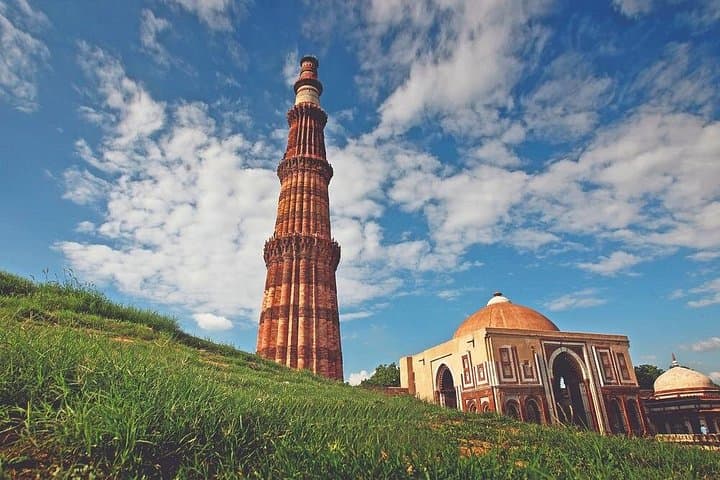
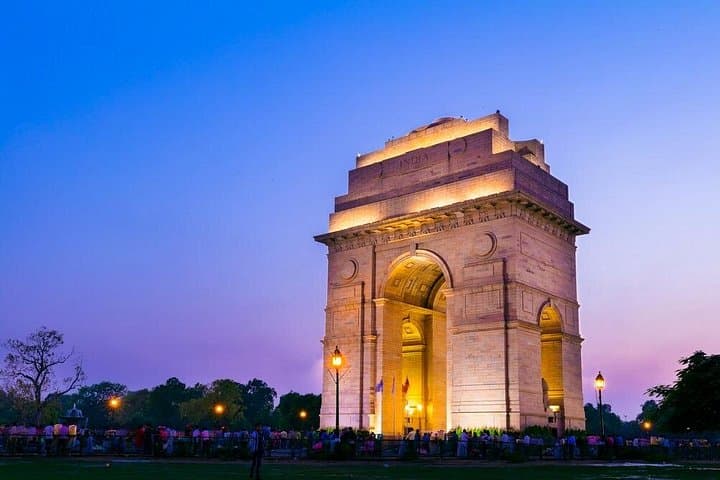
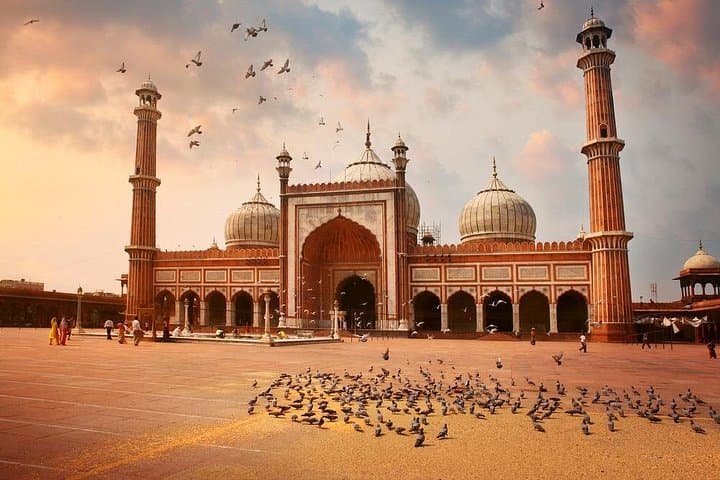
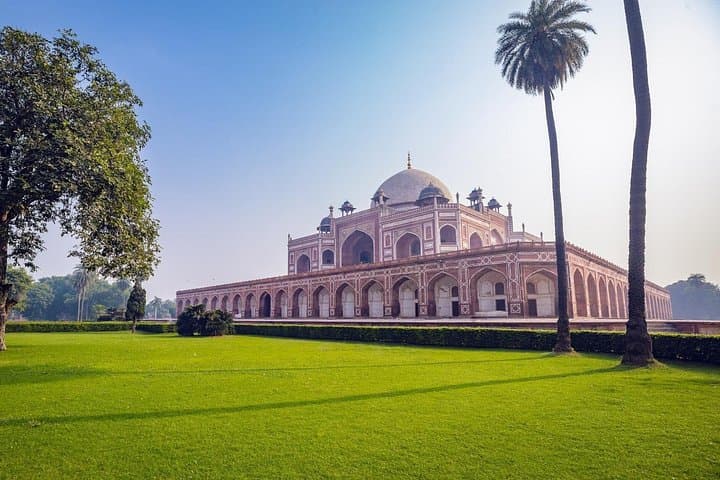
This route follows the spine of north-central India and the western Aravalli foothills. Mughal engineers sculpted tombs and gardens from riverine alluvium; Rajput rulers raised hill forts on ancient granite outcrops to command trading lanes. Local culture is tactile — spice markets in Chandni Chowk, frescoed havelis in Mandawa, and lakeside processions in Udaipur reveal how religion, commerce, and royal patronage shaped urban form.
Alongside monuments, the itinerary includes two jeep safaris in Ranthambore where dry deciduous forest gives way to grassland and seasonal ponds — prime habitat for Bengal tiger, spotted deer, and vivid winter migrants.
Practical planning centers on pace and temperatures: most days mix guided palace tours and short walks between gates; travel legs average 3–6 hours by private AC vehicle. Wear supportive walking shoes for uneven courtyards, carry sun protection and a reusable water bottle, and schedule major open-air visits for early morning or late afternoon to avoid peak heat.
Travelers should budget time for market bargaining, modest temple dress codes, and photo permits at some sites. For a first-time visitor seeking living history and varied landscapes, this circuit pairs immersive cultural detail with predictable logistics and strong conservation narratives at preserved parks.
Most driving legs are between 2–6 hours; the itinerary balances travel days with full and half-day sightseeing in major cities.
No sighting is guaranteed; safaris increase chances but sightings depend on wildlife movement, season and park conditions.
Yes — visitors to India require a valid passport and appropriate visa; passport details and expiry date are collected at booking.
The tour is family-friendly but includes stairs and uneven ground; it’s wheelchair accessible in parts but some monuments and safaris may be challenging for limited mobility.
Agora Voyages Pvt. Ltd. operates guided outdoor trips and adventures with an emphasis on safety, stewardship, and memorable experiences.
The bus hums out of New Delhi before dawn and the first silhouette appears: a crenellated fort rimmed against an orange sky. Over the next sixteen days travelers move through hardened stone and mirrored halls — from the Red Fort's Mughal arches to Mehrangarh's sheer sandstone walls — each gate a new chapter in the region’s history.
The bus hums out of New Delhi before dawn and the first silhouette appears: a crenellated fort rimmed against an orange sky. Over the next sixteen days travelers move through hardened stone and mirrored halls — from the Red Fort's Mughal arches to Mehrangarh's sheer sandstone walls — each gate a new chapter in the region’s history.
This route follows the spine of north-central India and the western Aravalli foothills. Mughal engineers sculpted tombs and gardens from riverine alluvium; Rajput rulers raised hill forts on ancient granite outcrops to command trading lanes. Local culture is tactile — spice markets in Chandni Chowk, frescoed havelis in Mandawa, and lakeside processions in Udaipur reveal how religion, commerce, and royal patronage shaped urban form.
Alongside monuments, the itinerary includes two jeep safaris in Ranthambore where dry deciduous forest gives way to grassland and seasonal ponds — prime habitat for Bengal tiger, spotted deer, and vivid winter migrants.
Practical planning centers on pace and temperatures: most days mix guided palace tours and short walks between gates; travel legs average 3–6 hours by private AC vehicle. Wear supportive walking shoes for uneven courtyards, carry sun protection and a reusable water bottle, and schedule major open-air visits for early morning or late afternoon to avoid peak heat.
Travelers should budget time for market bargaining, modest temple dress codes, and photo permits at some sites. For a first-time visitor seeking living history and varied landscapes, this circuit pairs immersive cultural detail with predictable logistics and strong conservation narratives at preserved parks.