THE ADVENTURE COLLECTIVE® · Independent discovery and booking for outdoor travel

A full‑day escape from Ho Chi Minh City to Mui Ne’s shifting dunes, ancient Cham towers and the whale temple. Expect dramatic sandscapes, shallow stream walks and intimate cultural sites on a single day trip.
A full‑day escape from Ho Chi Minh City to Mui Ne’s shifting dunes, ancient Cham towers and the whale temple. Expect dramatic sandscapes, shallow stream walks and intimate cultural sites on a single day trip.
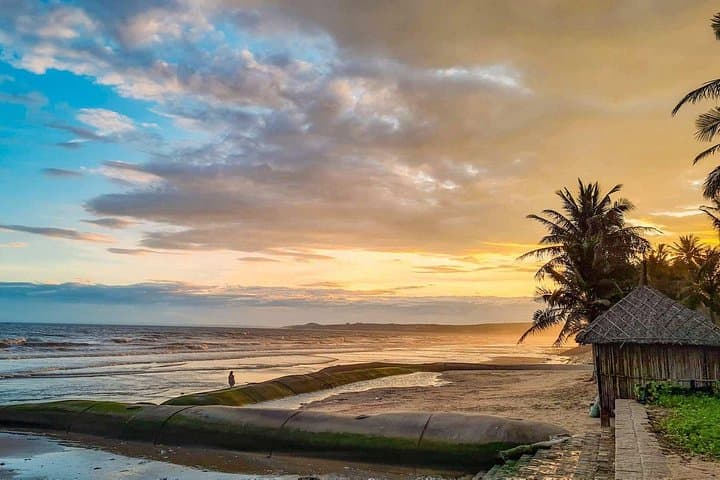
You step out of the air‑conditioned van and feel the heat change: the coast exhales salt while the dunes push a dry, granular wind that dares you to climb. The White Sand Dunes roll like a small inland sea, their pale slopes catching light for spectacular sunrise and sunset photos. Nearby, the red dunes flare like an ember bank—better for sandboarding and quick, dramatic frames.
Verified experiences and guided adventures in the surrounding area.
Operated by TREVOPEDIA · Mui Ne, Bình Thuận
You step out of the air‑conditioned van and feel the heat change: the coast exhales salt while the dunes push a dry, granular wind that dares you to climb. The White Sand Dunes roll like a small inland sea, their pale slopes catching light for spectacular sunrise and sunset photos. Nearby, the red dunes flare like an ember bank—better for sandboarding and quick, dramatic frames.
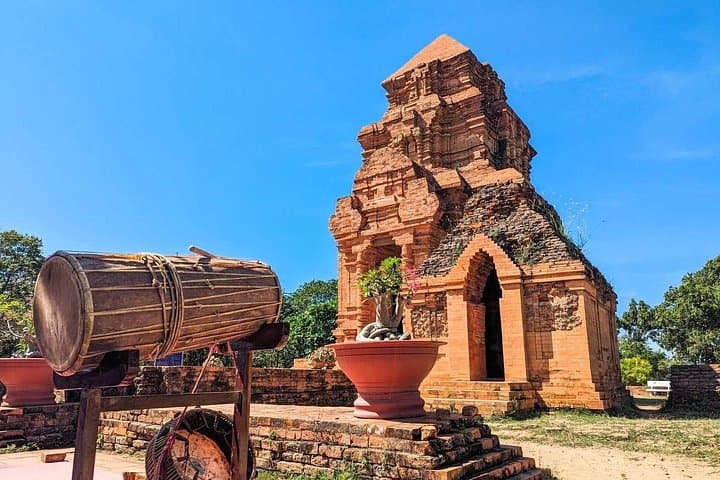
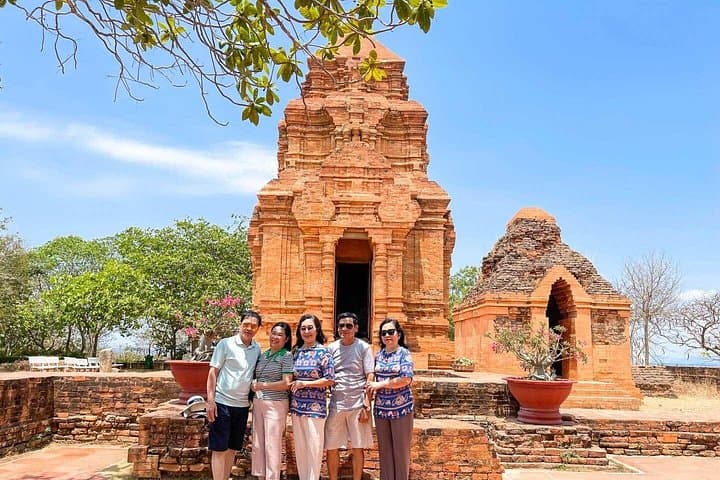
History sits on a hill nearby. The Poshanu (Ponashu) Cham Towers date to early medieval Cham civilization and watch over the coast with weathered brick reliefs that speak to centuries of trade and Hindu influence. Down the road, Van Thuy Tu—the Temple of the Whale God—speaks to a living maritime culture: whale bones, votive offerings and rituals that reflect fisherfolk’s relationship with the sea.
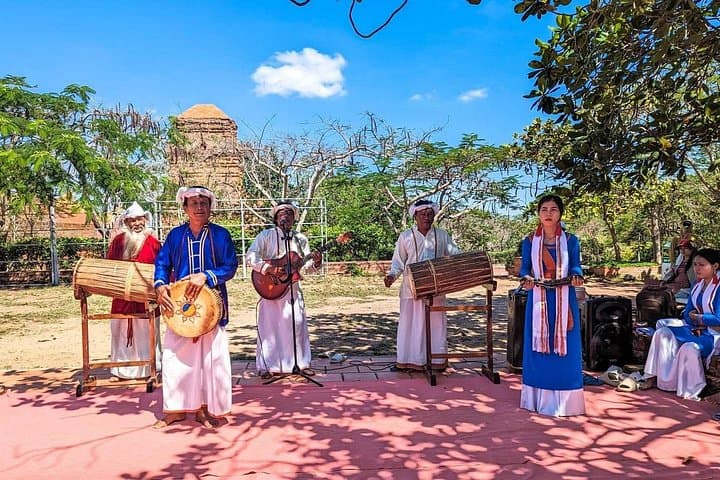
Geology and ecology explain the place: coastal sands swept by monsoon winds, freshwater depressions that form small lakes, and a shallow stream (the Fairy Stream) that carves colorful clay walls. Culture here is practical and oral—fishing lore, temple rites, and markets that turn in rhythm with tides.
Practical guidance: expect a long day (pickups from Ho Chi Minh City make this a 9–10 hour excursion). Wear closed sandals or light hiking shoes for sand and stream walking, bring at least 2L of water, sun protection, and small cash for local vendors. Plan visits at dawn or late afternoon to avoid the mid‑day heat and get the best light for photography. The terrain is easy but exposed—plan accordingly.
Door‑to‑door it’s a long day—expect roughly 4–5 hours each way by van depending on traffic, with the full excursion lasting about 9–10 hours.
Yes—sandboarding is a common optional activity at the white and red dunes; bring gloves or rent gear locally to protect your hands.
Generally yes—it's shallow and stroller‑friendly in places, but children should be supervised due to slippery, muddy sections and steep clay banks.
Some areas (temple grounds and selected viewpoints) are accessible, but dunes and the Fairy Stream require mobility and are not wheelchair friendly.
TREVOPEDIA operates guided outdoor trips and adventures with an emphasis on safety, stewardship, and memorable experiences.
You step out of the air‑conditioned van and feel the heat change: the coast exhales salt while the dunes push a dry, granular wind that dares you to climb. The White Sand Dunes roll like a small inland sea, their pale slopes catching light for spectacular sunrise and sunset photos. Nearby, the red dunes flare like an ember bank—better for sandboarding and quick, dramatic frames.
You step out of the air‑conditioned van and feel the heat change: the coast exhales salt while the dunes push a dry, granular wind that dares you to climb. The White Sand Dunes roll like a small inland sea, their pale slopes catching light for spectacular sunrise and sunset photos. Nearby, the red dunes flare like an ember bank—better for sandboarding and quick, dramatic frames.
History sits on a hill nearby. The Poshanu (Ponashu) Cham Towers date to early medieval Cham civilization and watch over the coast with weathered brick reliefs that speak to centuries of trade and Hindu influence. Down the road, Van Thuy Tu—the Temple of the Whale God—speaks to a living maritime culture: whale bones, votive offerings and rituals that reflect fisherfolk’s relationship with the sea.
Geology and ecology explain the place: coastal sands swept by monsoon winds, freshwater depressions that form small lakes, and a shallow stream (the Fairy Stream) that carves colorful clay walls. Culture here is practical and oral—fishing lore, temple rites, and markets that turn in rhythm with tides.
Practical guidance: expect a long day (pickups from Ho Chi Minh City make this a 9–10 hour excursion). Wear closed sandals or light hiking shoes for sand and stream walking, bring at least 2L of water, sun protection, and small cash for local vendors. Plan visits at dawn or late afternoon to avoid the mid‑day heat and get the best light for photography. The terrain is easy but exposed—plan accordingly.