THE ADVENTURE COLLECTIVE® · Independent discovery and booking for outdoor travel

Climb to Muldai Danda (3,637 m) for a higher, quieter sunrise over Annapurna’s giants. This eight-day, community-based trek pairs rhododendron forests and clear mountain views with local tea-house stays.
Climb to Muldai Danda (3,637 m) for a higher, quieter sunrise over Annapurna’s giants. This eight-day, community-based trek pairs rhododendron forests and clear mountain views with local tea-house stays.
The sky lightens over a ragged horizon of serrated peaks as you stand on Muldai Danda, 3,637 m, with cold air pressing at your cheeks and a wide sweep of Annapurna and Dhaulagiri laid out below. Early-morning silhouettes of Machhapuchhre and Annapurna South sharpen into relief; rhododendron trunks line the trail behind you like patient guides.
Verified experiences and guided adventures in the surrounding area.
Operated by Altitude Himalaya · Pokhara, Gandaki Province
The sky lightens over a ragged horizon of serrated peaks as you stand on Muldai Danda, 3,637 m, with cold air pressing at your cheeks and a wide sweep of Annapurna and Dhaulagiri laid out below. Early-morning silhouettes of Machhapuchhre and Annapurna South sharpen into relief; rhododendron trunks line the trail behind you like patient guides.
This eight-day community-based route threads quieter villages—Ghandruk, Tadapani, Ghorepani—through the Annapurna Conservation Area, an ecosystem-protected landscape shaped by tectonic uplift and glacial carving. The geology alternates between steep moraines and terraced farmland; cultural notes punctuate the walk with Gurung hospitality, mani stones and teahouses that have hosted trekkers since the route opened to wider use in the early 2000s.
Expect single-track trails, switchbacks through fir and rhododendron, and pastureland above the treeline. Comparisons to Poon Hill are fair—the views are similar but Muldai sits slightly higher and attracts fewer people, so sunrise feels less crowded. Spring brings flamboyant rhododendron bloom; autumn offers the clearest Himalayan panoramas.
Practical guidance: start from Pokhara after a 6–7 hour road transfer from Kathmandu, acclimatize gradually and plan for 4–6 hours of hiking on most days. Footwear with good grip, layered insulation for pre-dawn starts, and a headlamp for early summit pushes are essential. Local teahouses provide meals and basic lodging; porters are available to carry shared packs. Hydrate, move at a steady pace, and allow for one extra day in case weather or acclimatization slows you down.
Yes—trekkers must carry Annapurna Conservation Area Project (ACAP) permits and a TIMS card; operators normally arrange these before departure.
Spring (March–May) and autumn (September–November) offer the best combination of clear skies and comfortable temperatures; spring has rhododendron blooms.
Teahouses are basic: shared rooms, simple hot showers where available, and hearty Nepali meals—expect rustic mountain hospitality rather than luxury.
Yes—while Muldai tops at 3,637 m, altitude illness can occur; pace yourself, hydrate, and communicate symptoms to your guide immediately.
Altitude Himalaya operates guided outdoor trips and adventures with an emphasis on safety, stewardship, and memorable experiences.
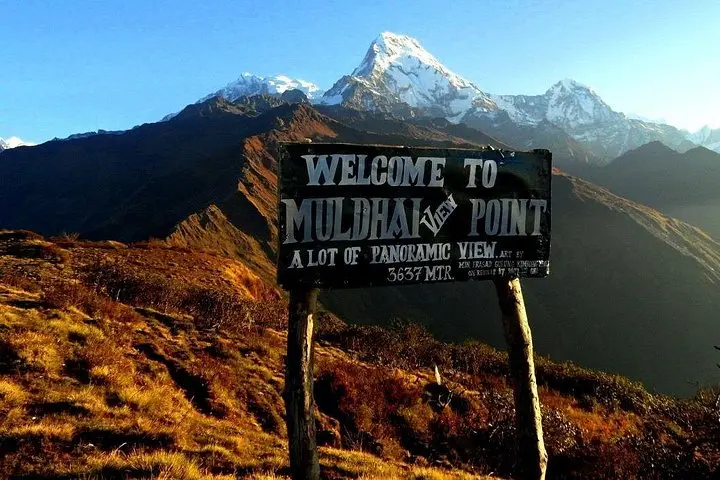
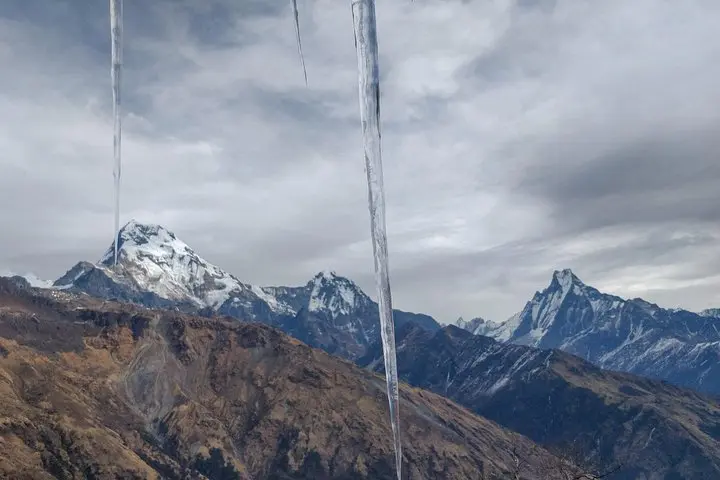
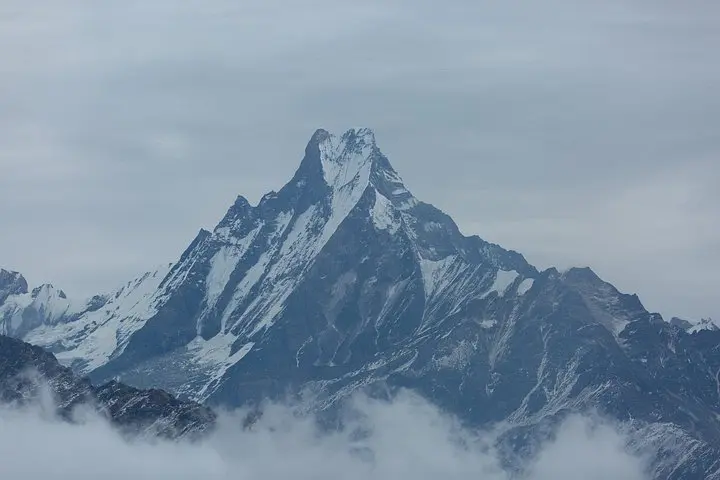
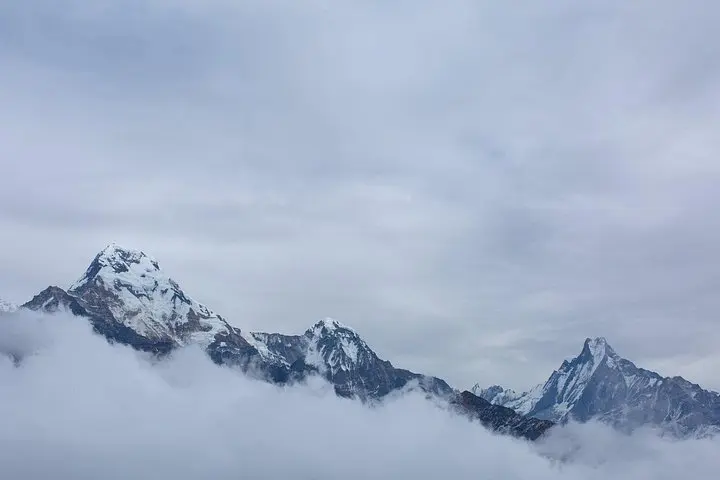
The sky lightens over a ragged horizon of serrated peaks as you stand on Muldai Danda, 3,637 m, with cold air pressing at your cheeks and a wide sweep of Annapurna and Dhaulagiri laid out below. Early-morning silhouettes of Machhapuchhre and Annapurna South sharpen into relief; rhododendron trunks line the trail behind you like patient guides.
The sky lightens over a ragged horizon of serrated peaks as you stand on Muldai Danda, 3,637 m, with cold air pressing at your cheeks and a wide sweep of Annapurna and Dhaulagiri laid out below. Early-morning silhouettes of Machhapuchhre and Annapurna South sharpen into relief; rhododendron trunks line the trail behind you like patient guides.
This eight-day community-based route threads quieter villages—Ghandruk, Tadapani, Ghorepani—through the Annapurna Conservation Area, an ecosystem-protected landscape shaped by tectonic uplift and glacial carving. The geology alternates between steep moraines and terraced farmland; cultural notes punctuate the walk with Gurung hospitality, mani stones and teahouses that have hosted trekkers since the route opened to wider use in the early 2000s.
Expect single-track trails, switchbacks through fir and rhododendron, and pastureland above the treeline. Comparisons to Poon Hill are fair—the views are similar but Muldai sits slightly higher and attracts fewer people, so sunrise feels less crowded. Spring brings flamboyant rhododendron bloom; autumn offers the clearest Himalayan panoramas.
Practical guidance: start from Pokhara after a 6–7 hour road transfer from Kathmandu, acclimatize gradually and plan for 4–6 hours of hiking on most days. Footwear with good grip, layered insulation for pre-dawn starts, and a headlamp for early summit pushes are essential. Local teahouses provide meals and basic lodging; porters are available to carry shared packs. Hydrate, move at a steady pace, and allow for one extra day in case weather or acclimatization slows you down.