THE ADVENTURE COLLECTIVE® · Independent discovery and booking for outdoor travel

Clop of mules, ironwork balconies and stories that stitch three centuries together: this one-hour mule-drawn carriage ride around Jackson Square is an efficient, atmospheric primer on the French Quarter. Arrive early, grab a spot under the yellow umbrella, and let a local guide set the pace.
Clop of mules, ironwork balconies and stories that stitch three centuries together: this one-hour mule-drawn carriage ride around Jackson Square is an efficient, atmospheric primer on the French Quarter. Arrive early, grab a spot under the yellow umbrella, and let a local guide set the pace.
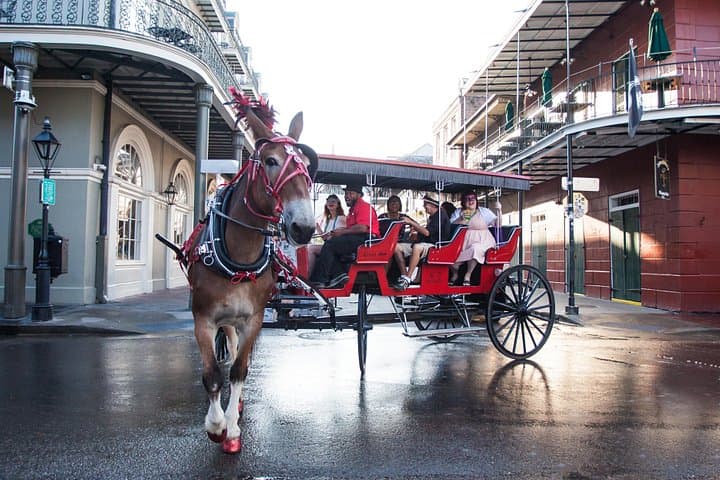
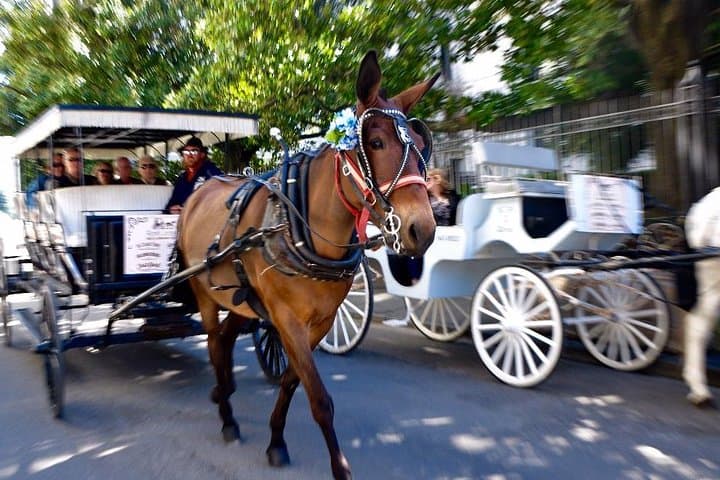
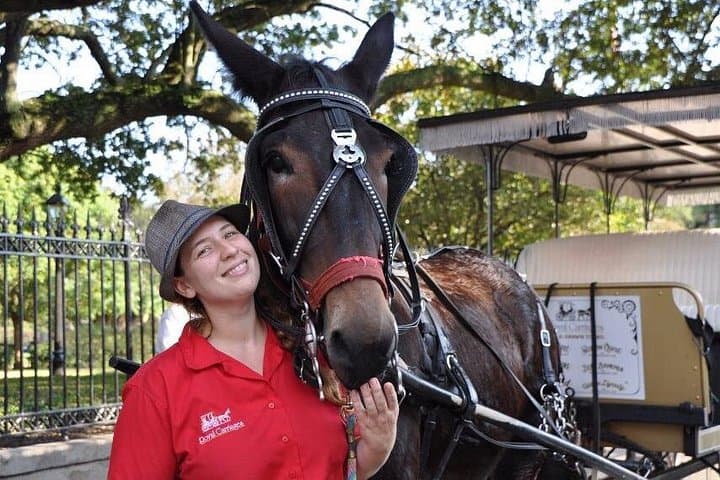
The clop of mules sets the rhythm before the city wakes: a slow, deliberate percussion under iron balconies and gaslamps. You settle into a padded seat, the sounds of street musicians and distant river traffic folding around the carriage, while a guide in a red shirt begins to speak — not a dry lecture but a storyteller who threads 300 years of upheaval, jazz and architecture into a single hour.
Verified experiences and guided adventures in the surrounding area.
Operated by Royal Carriages · New Orleans, Louisiana
The clop of mules sets the rhythm before the city wakes: a slow, deliberate percussion under iron balconies and gaslamps. You settle into a padded seat, the sounds of street musicians and distant river traffic folding around the carriage, while a guide in a red shirt begins to speak — not a dry lecture but a storyteller who threads 300 years of upheaval, jazz and architecture into a single hour.
The French Quarter, or Vieux Carré, is concentrated history: a compact grid laid out in 1718 that survived fires, floods and shifting empires. From Jackson Square the route winds past St. Louis Cathedral and the French Market, runs close to the Mississippi’s edge and threads narrow lanes where Creole townhouses hold ironwork balconies and secret courtyards. Geology plays a quiet role here — the Quarter sits on a natural levee above the river, which is why the earliest settlers built and why the street plan remains stubbornly compact and flat. That flatness makes the hour-long, roughly 1–2 mile loop accessible to most travelers and ideal for soaking in architecture rather than breaking a sweat.
Culture arrives in the commentary: the rise of Creole cuisine, the long shadow of the slave trade, jazz’s birth in back rooms and the city’s reputation for late-night revelry. Your driver will point out the Napoleonic relics housed in the Cabildo, the old slave quarters, and quieter corners like Pirates Alley and Faulkner House Books. The tour also includes local tips — where to find the best late-night jazz, the small museums that still slip under the radar and the courtyards worth slipping into between souks of souvenir shops.
Practicalities are simple. Meet 15 minutes early at Jackson Square under the yellow umbrella and look for staff in red shirts; departure is prompt. The carriage is flat and gentle — no steep climbs — and service animals are allowed. Expect a blend of day and evening passengers; golden hour softens the masonry, while evening rides offer theater lights, jazz and a cooler breeze off the river. The company advises humane mule care and deep-cleaned carriages; ask about animal welfare if that matters to you.
Bring sun protection and water in summer, a light rain layer in spring or fall, and a jacket for crisp winter evenings. Plan to disembark for photos at key viewpoints (drivers will usually oblige when safe), and have a small cash tip ready for your guide and the stable hands. If you want a quieter experience, choose an early morning slot; late afternoon catches streetlife and music at full tilt. For a single hour, the carriage ride manages a rare combination: sensory immediacy and a guided orientation that leaves you eager to explore the Quarter on foot.
The carriage ride lasts approximately 60 minutes and covers a roughly 1–2 mile loop through the French Quarter.
Meet at Jackson Square under the yellow umbrella; staff and guides wear red shirts and will check you in.
Operators typically follow local animal-welfare standards and perform regular care; ask staff about stabling practices and rest rotations if concerned.
Carriages are flat but boarding can be awkward; contact the operator ahead of time to confirm accessibility options and accommodations.
Yes—infants are required to sit on an adult’s lap for the duration of the ride.
For a full refund cancel at least 24 hours before the scheduled departure time; tours may be canceled for bad weather.
Royal Carriages operates guided outdoor trips and adventures with an emphasis on safety, stewardship, and memorable experiences.

The clop of mules sets the rhythm before the city wakes: a slow, deliberate percussion under iron balconies and gaslamps. You settle into a padded seat, the sounds of street musicians and distant river traffic folding around the carriage, while a guide in a red shirt begins to speak — not a dry lecture but a storyteller who threads 300 years of upheaval, jazz and architecture into a single hour.
The clop of mules sets the rhythm before the city wakes: a slow, deliberate percussion under iron balconies and gaslamps. You settle into a padded seat, the sounds of street musicians and distant river traffic folding around the carriage, while a guide in a red shirt begins to speak — not a dry lecture but a storyteller who threads 300 years of upheaval, jazz and architecture into a single hour.
The French Quarter, or Vieux Carré, is concentrated history: a compact grid laid out in 1718 that survived fires, floods and shifting empires. From Jackson Square the route winds past St. Louis Cathedral and the French Market, runs close to the Mississippi’s edge and threads narrow lanes where Creole townhouses hold ironwork balconies and secret courtyards. Geology plays a quiet role here — the Quarter sits on a natural levee above the river, which is why the earliest settlers built and why the street plan remains stubbornly compact and flat. That flatness makes the hour-long, roughly 1–2 mile loop accessible to most travelers and ideal for soaking in architecture rather than breaking a sweat.
Culture arrives in the commentary: the rise of Creole cuisine, the long shadow of the slave trade, jazz’s birth in back rooms and the city’s reputation for late-night revelry. Your driver will point out the Napoleonic relics housed in the Cabildo, the old slave quarters, and quieter corners like Pirates Alley and Faulkner House Books. The tour also includes local tips — where to find the best late-night jazz, the small museums that still slip under the radar and the courtyards worth slipping into between souks of souvenir shops.
Practicalities are simple. Meet 15 minutes early at Jackson Square under the yellow umbrella and look for staff in red shirts; departure is prompt. The carriage is flat and gentle — no steep climbs — and service animals are allowed. Expect a blend of day and evening passengers; golden hour softens the masonry, while evening rides offer theater lights, jazz and a cooler breeze off the river. The company advises humane mule care and deep-cleaned carriages; ask about animal welfare if that matters to you.
Bring sun protection and water in summer, a light rain layer in spring or fall, and a jacket for crisp winter evenings. Plan to disembark for photos at key viewpoints (drivers will usually oblige when safe), and have a small cash tip ready for your guide and the stable hands. If you want a quieter experience, choose an early morning slot; late afternoon catches streetlife and music at full tilt. For a single hour, the carriage ride manages a rare combination: sensory immediacy and a guided orientation that leaves you eager to explore the Quarter on foot.