THE ADVENTURE COLLECTIVE® · Independent discovery and booking for outdoor travel

Spend a day traveling from Dades Gorge into the remote M’Goun valleys by 4x4 and mule. This cultural trek combines riverside picnics and visits with nomadic families for a hands-on look at Berber mountain life.
Spend a day traveling from Dades Gorge into the remote M’Goun valleys by 4x4 and mule. This cultural trek combines riverside picnics and visits with nomadic families for a hands-on look at Berber mountain life.
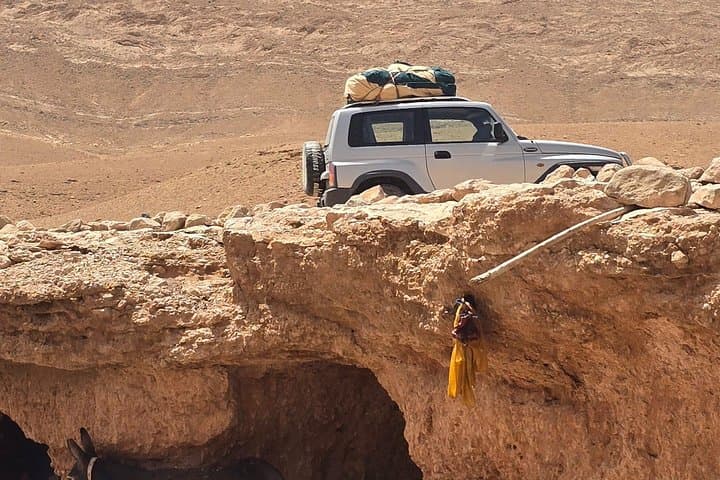
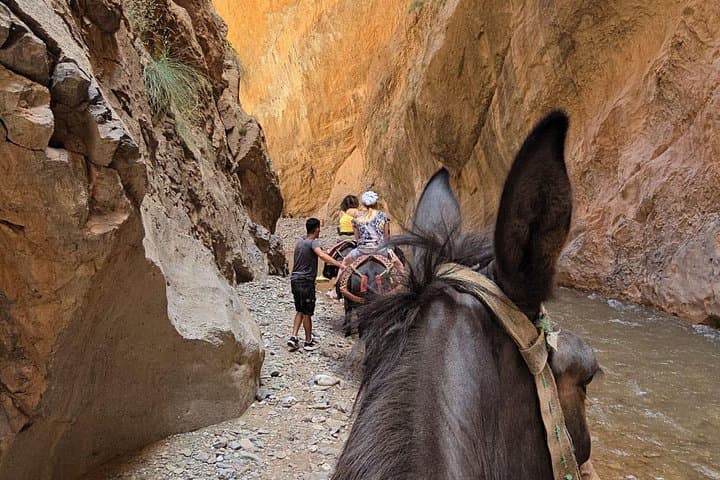
Dust from the 4x4 rises as the road drops into Achaabou Gorge—sunlight slices between red cliffs and the first goats appear on ledges. You arrive at river level, where the day begins with minty Berber tea shared in a cave dwelling and the quiet of a valley that still moves at livestock pace.
Verified experiences and guided adventures in the surrounding area.
Operated by Morocco Exposure · Boumalne Dades, Drâa-Tafilalet
Dust from the 4x4 rises as the road drops into Achaabou Gorge—sunlight slices between red cliffs and the first goats appear on ledges. You arrive at river level, where the day begins with minty Berber tea shared in a cave dwelling and the quiet of a valley that still moves at livestock pace.
This route threads the eastern High Atlas foothills, carved from Jurassic and Cretaceous sandstone and volcanic outcrops, with settlements that grew around kasbahs and terraced fields. The M’Goun massif sits to the north; seasonal streams cut the valleys and have long guided nomadic routes. The cultural pulse here is Amazigh (Berber): families keep mules, tend goats, and maintain hospitality traditions that center on tea and stories.
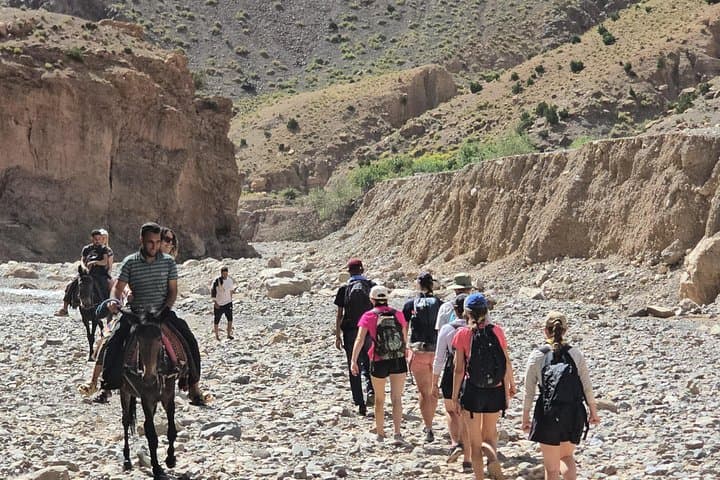
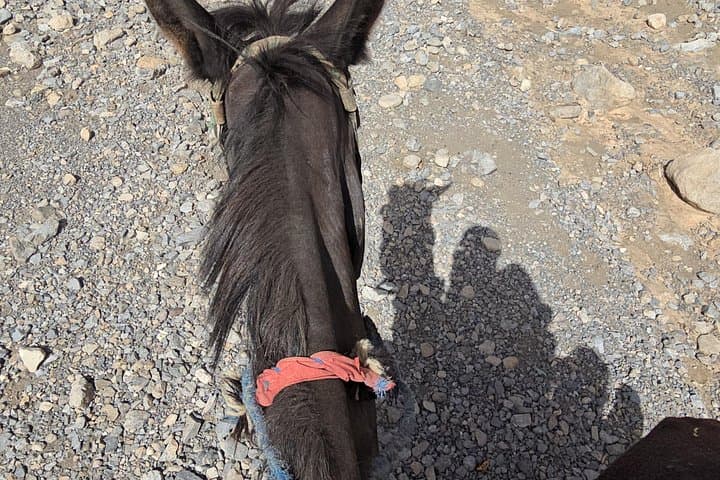
After a riverside picnic, local mule handlers lead a roughly 4-hour trek along narrow gorge tracks and stone stairways to high-placed villages unreachable by vehicle. Expect rocky, uneven terrain, intermittent ascents, and panoramic viewpoints where carved mud-brick homes cluster on cliffs. Encounters with shepherds and children tending flocks are common; language barriers give way to gestures over tea.
Practical guidance: the full-day excursion runs about 10 hours door-to-door; mule time covers 6–10 km on paths that demand steady footing. Bring sun protection, layers for temperature swings between riverbeds and exposed ridgelines, and small bills for village purchases or tea. If you have back issues or limited mobility, discuss alternatives before booking—the mules and rough ground require moderate fitness and nimble movement.
This trip pairs raw mountain scenery with direct cultural exchange—a compact way to experience Morocco’s inland highland life without overnight logistics.
The guided mule trek is approximately 4 hours, covering rough, narrow paths and short climbs between village viewpoints.
Yes—local handlers manage the mules and provide basic instructions; riders should be able to sit steadily and mount/dismount with assistance.
Guides commonly speak Arabic, Amazigh (Berber), and French; some operators provide English-speaking guides—confirm at booking.
Children may join if accustomed to animals; this trip is not recommended for people with significant back or spinal issues due to mule riding and uneven terrain.
Morocco Exposure operates guided outdoor trips and adventures with an emphasis on safety, stewardship, and memorable experiences.
Dust from the 4x4 rises as the road drops into Achaabou Gorge—sunlight slices between red cliffs and the first goats appear on ledges. You arrive at river level, where the day begins with minty Berber tea shared in a cave dwelling and the quiet of a valley that still moves at livestock pace.
Dust from the 4x4 rises as the road drops into Achaabou Gorge—sunlight slices between red cliffs and the first goats appear on ledges. You arrive at river level, where the day begins with minty Berber tea shared in a cave dwelling and the quiet of a valley that still moves at livestock pace.
This route threads the eastern High Atlas foothills, carved from Jurassic and Cretaceous sandstone and volcanic outcrops, with settlements that grew around kasbahs and terraced fields. The M’Goun massif sits to the north; seasonal streams cut the valleys and have long guided nomadic routes. The cultural pulse here is Amazigh (Berber): families keep mules, tend goats, and maintain hospitality traditions that center on tea and stories.
After a riverside picnic, local mule handlers lead a roughly 4-hour trek along narrow gorge tracks and stone stairways to high-placed villages unreachable by vehicle. Expect rocky, uneven terrain, intermittent ascents, and panoramic viewpoints where carved mud-brick homes cluster on cliffs. Encounters with shepherds and children tending flocks are common; language barriers give way to gestures over tea.
Practical guidance: the full-day excursion runs about 10 hours door-to-door; mule time covers 6–10 km on paths that demand steady footing. Bring sun protection, layers for temperature swings between riverbeds and exposed ridgelines, and small bills for village purchases or tea. If you have back issues or limited mobility, discuss alternatives before booking—the mules and rough ground require moderate fitness and nimble movement.
This trip pairs raw mountain scenery with direct cultural exchange—a compact way to experience Morocco’s inland highland life without overnight logistics.