THE ADVENTURE COLLECTIVE® · Independent discovery and booking for outdoor travel

Follow the wildebeest calving across Ndutu and the Southern Serengeti on a six-day camping safari that combines Tarangire’s baobabs, Serengeti short-grass plains, and a descent into Ngorongoro Crater. Expect long game drives, close predator action, and nights under canvas.
Follow the wildebeest calving across Ndutu and the Southern Serengeti on a six-day camping safari that combines Tarangire’s baobabs, Serengeti short-grass plains, and a descent into Ngorongoro Crater. Expect long game drives, close predator action, and nights under canvas.
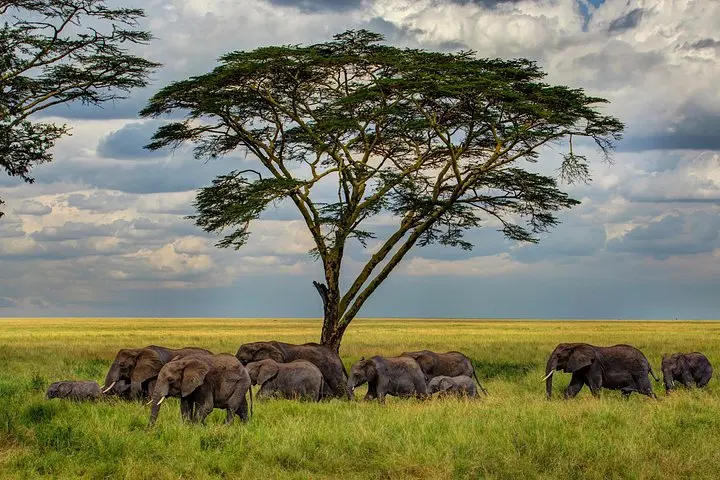
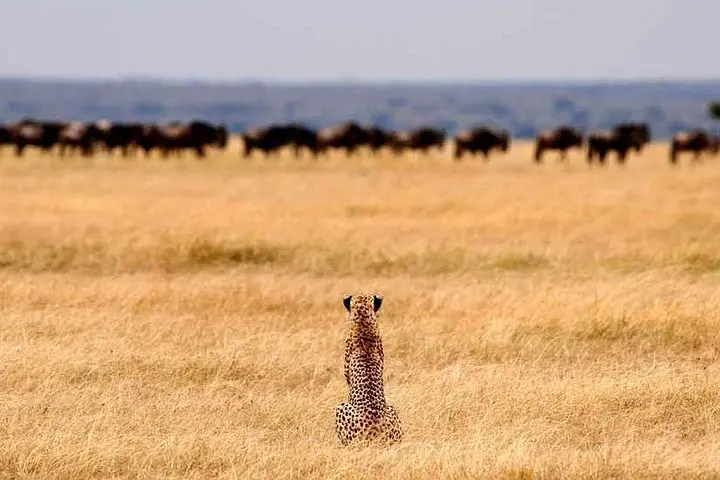
Dawn spills gold across a short-grass plain as dust rises under thousands of hooves—this is the Ndutu and Southern Serengeti during calving season. The itinerary opens in Arusha, threads through Tarangire’s baobab-dotted riverbanks, follows the migration into Serengeti short-grass plains, and drops 600 meters into the volcanic bowl of Ngorongoro where water and game concentrate.
Verified experiences and guided adventures in the surrounding area.
Operated by SERENGETI LANDMARK TOURS · Arusha, Arusha Region
Dawn spills gold across a short-grass plain as dust rises under thousands of hooves—this is the Ndutu and Southern Serengeti during calving season. The itinerary opens in Arusha, threads through Tarangire’s baobab-dotted riverbanks, follows the migration into Serengeti short-grass plains, and drops 600 meters into the volcanic bowl of Ngorongoro where water and game concentrate.
Geology here is bold: the rift escarpment frames shallow soda lakes and alkaline pans where flamingos stain the shallows, while Ngorongoro’s crater rim forms a natural amphitheater carved by tectonics and time. Culturally, Maasai pastoralists have moved with these landscapes for generations—visitors often glimpse their villages and seasonal grazing patterns at the conservation area margins.
Expect long game-drive days from open pop-up-roof jeeps, primitive camping with supplied meals, and frequent stops for wildlife viewing: wildebeest calving (Dec–Apr), predator encounters, and flamingo-lined lakes. Nights are cold at higher elevations; mornings are the most active for predators and newborns.
Practical guidance: pack layered clothing for temperature swings, a good pair of binoculars, and a daypack for short walks at camps. Hydrate—driving dust and sun will dehydrate quickly. Respect park rules and keep distances; guides are experienced and will position the vehicle for safety and photography. This trip is best booked for the calving window if your aim is newborns and peak predator action, but each season offers distinct photo and wildlife opportunities.
Calving runs roughly December through April with a peak often in February–March in the Ndutu and southern Serengeti areas—book within this window for the highest chance of newborns and predator activity.
No—this trip is set up for first-time campers; staff provide camping setup and meals, but you should be comfortable sleeping in a tent and using basic facilities.
The itinerary includes camping, most meals listed, park fees, guided game drives in pop-up-roof safari jeeps, and unlimited drinking water; review the provider’s inclusions for specifics like transfers and optional extras.
Consult your travel clinic—standard recommendations include routine vaccines and malaria prophylaxis for parts of Tanzania; bring any personal medications and a basic first-aid kit.
SERENGETI LANDMARK TOURS operates guided outdoor trips and adventures with an emphasis on safety, stewardship, and memorable experiences.
Dawn spills gold across a short-grass plain as dust rises under thousands of hooves—this is the Ndutu and Southern Serengeti during calving season. The itinerary opens in Arusha, threads through Tarangire’s baobab-dotted riverbanks, follows the migration into Serengeti short-grass plains, and drops 600 meters into the volcanic bowl of Ngorongoro where water and game concentrate.
Dawn spills gold across a short-grass plain as dust rises under thousands of hooves—this is the Ndutu and Southern Serengeti during calving season. The itinerary opens in Arusha, threads through Tarangire’s baobab-dotted riverbanks, follows the migration into Serengeti short-grass plains, and drops 600 meters into the volcanic bowl of Ngorongoro where water and game concentrate.
Geology here is bold: the rift escarpment frames shallow soda lakes and alkaline pans where flamingos stain the shallows, while Ngorongoro’s crater rim forms a natural amphitheater carved by tectonics and time. Culturally, Maasai pastoralists have moved with these landscapes for generations—visitors often glimpse their villages and seasonal grazing patterns at the conservation area margins.
Expect long game-drive days from open pop-up-roof jeeps, primitive camping with supplied meals, and frequent stops for wildlife viewing: wildebeest calving (Dec–Apr), predator encounters, and flamingo-lined lakes. Nights are cold at higher elevations; mornings are the most active for predators and newborns.
Practical guidance: pack layered clothing for temperature swings, a good pair of binoculars, and a daypack for short walks at camps. Hydrate—driving dust and sun will dehydrate quickly. Respect park rules and keep distances; guides are experienced and will position the vehicle for safety and photography. This trip is best booked for the calving window if your aim is newborns and peak predator action, but each season offers distinct photo and wildlife opportunities.