THE ADVENTURE COLLECTIVE® · Independent discovery and booking for outdoor travel

Trace Algeria’s layered history from Algiers’ Casbah to Roman Djemila and the dramatic gorges of Constantine on a five-day guided circuit. This tour pairs archaeological sites, city walks and local meals with practical logistics and a certified guide.
Trace Algeria’s layered history from Algiers’ Casbah to Roman Djemila and the dramatic gorges of Constantine on a five-day guided circuit. This tour pairs archaeological sites, city walks and local meals with practical logistics and a certified guide.
The first light of the Mediterranean slants across Algiers’ corniche as a small group gathers and the guide checks names—this is how a multi-day sweep through Algeria often begins: with the city’s white facades warming, the sea daring you to look up from the harbor. Over five days the route moves from Algiers’ crowded center and the winding lanes of the Casbah to Roman ruins at Djemila and the vertiginous bridges and rock-carved sites around Constantine.
Verified experiences and guided adventures in the surrounding area.
Operated by Algerian maze · Algiers, Algiers
The first light of the Mediterranean slants across Algiers’ corniche as a small group gathers and the guide checks names—this is how a multi-day sweep through Algeria often begins: with the city’s white facades warming, the sea daring you to look up from the harbor. Over five days the route moves from Algiers’ crowded center and the winding lanes of the Casbah to Roman ruins at Djemila and the vertiginous bridges and rock-carved sites around Constantine.
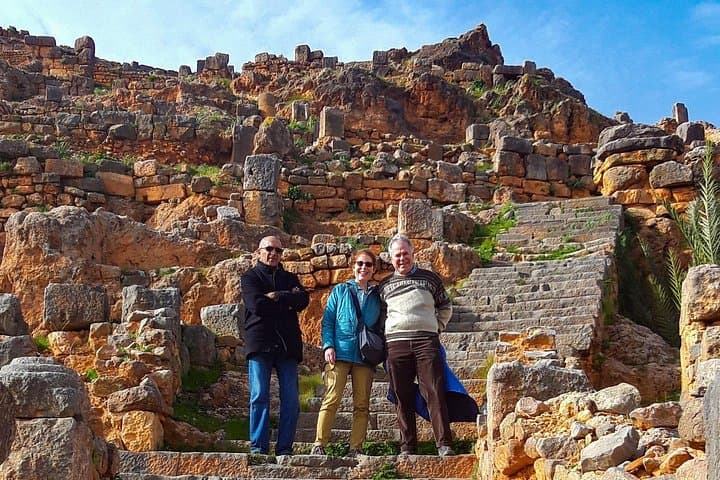
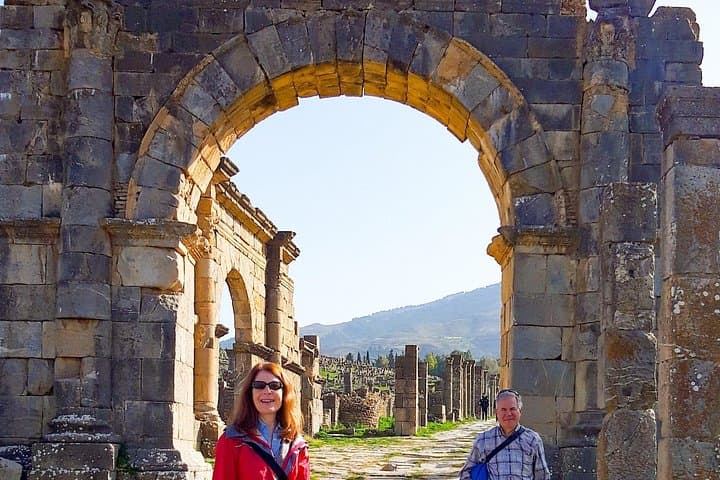
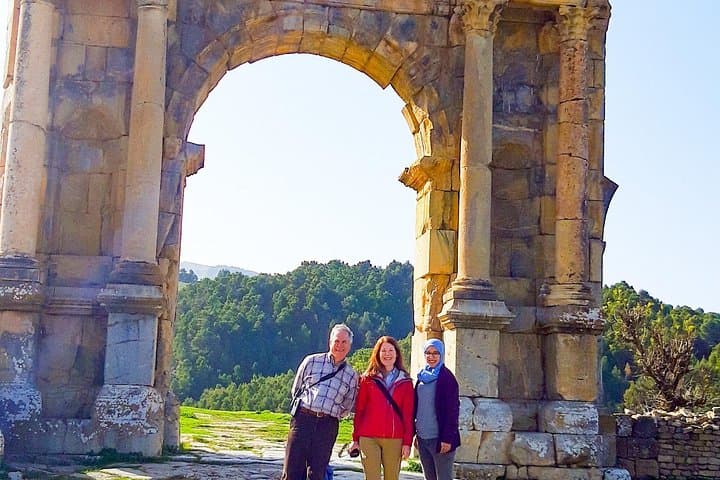
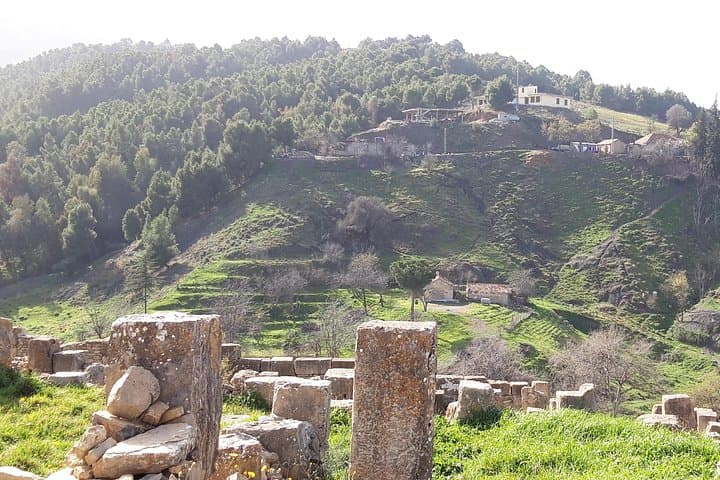
Algiers’ Casbah holds Ottoman-era mosques, narrow alleys and artisan workshops; its stones carry layers of French colonial history and local resistance. Eastward, Djemila offers intact Roman urban planning—streets, baths and mosaics dating back to the 1st–3rd centuries CE—set on rolling, limestone terrain shaped by ancient seas. Constantine, carved into deep gorges, pairs modern bridges with Roman and Islamic monuments, giving the landscape a dramatic verticality: cliffs watching over a city threaded with bridges.
Expect guided walking—hours on foot in uneven streets and archaeological grounds—plus three lunches, two dinners and hotel nights included. The tour blends cultural context and practical logistics: licensed guide, land transfers, and museum visits. Be prepared for cobbled alleys, sun-exposed ruins, and short drives between sites. Hydration, sun protection, and steady footwear make the difference between a day of discovery and a day of discomfort.
Timing tours for spring or fall avoids high summer heat; allow extra time for photos and local interactions—vendors and artisans are part of the itinerary’s texture.
The itinerary runs approximately five days, with guided visits, transfers and hotel nights included.
Infants must sit on an adult’s lap; the tour requires moderate mobility and may be challenging for very young children.
Three lunches and two dinners are included, with additional hotel breakfasts typically provided by accommodations.
Many site admissions are included as noted in the itinerary, though some specific entries may require local fees—confirm with the operator.
Algerian maze operates guided outdoor trips and adventures with an emphasis on safety, stewardship, and memorable experiences.
The first light of the Mediterranean slants across Algiers’ corniche as a small group gathers and the guide checks names—this is how a multi-day sweep through Algeria often begins: with the city’s white facades warming, the sea daring you to look up from the harbor. Over five days the route moves from Algiers’ crowded center and the winding lanes of the Casbah to Roman ruins at Djemila and the vertiginous bridges and rock-carved sites around Constantine.
The first light of the Mediterranean slants across Algiers’ corniche as a small group gathers and the guide checks names—this is how a multi-day sweep through Algeria often begins: with the city’s white facades warming, the sea daring you to look up from the harbor. Over five days the route moves from Algiers’ crowded center and the winding lanes of the Casbah to Roman ruins at Djemila and the vertiginous bridges and rock-carved sites around Constantine.
Algiers’ Casbah holds Ottoman-era mosques, narrow alleys and artisan workshops; its stones carry layers of French colonial history and local resistance. Eastward, Djemila offers intact Roman urban planning—streets, baths and mosaics dating back to the 1st–3rd centuries CE—set on rolling, limestone terrain shaped by ancient seas. Constantine, carved into deep gorges, pairs modern bridges with Roman and Islamic monuments, giving the landscape a dramatic verticality: cliffs watching over a city threaded with bridges.
Expect guided walking—hours on foot in uneven streets and archaeological grounds—plus three lunches, two dinners and hotel nights included. The tour blends cultural context and practical logistics: licensed guide, land transfers, and museum visits. Be prepared for cobbled alleys, sun-exposed ruins, and short drives between sites. Hydration, sun protection, and steady footwear make the difference between a day of discovery and a day of discomfort.
Timing tours for spring or fall avoids high summer heat; allow extra time for photos and local interactions—vendors and artisans are part of the itinerary’s texture.