THE ADVENTURE COLLECTIVE® · Independent discovery and booking for outdoor travel

Drive through Varzob Valley into the Fan Mountains to hike lakes, visit Iskanderkul and inspect the towering Nurek Dam. This 5‑day route blends alpine hikes, village homestays and dramatic geology with practical logistics for first‑time visitors.
Drive through Varzob Valley into the Fan Mountains to hike lakes, visit Iskanderkul and inspect the towering Nurek Dam. This 5‑day route blends alpine hikes, village homestays and dramatic geology with practical logistics for first‑time visitors.
A cold wind pushes down from the Fan Mountains as your minivan carves the valley road; juniper branches slap at the windows and the lakes ahead flash like shards of cobalt. On this five‑day circuit you move from low farmland into high alpine hollows — the Seven Lakes sit between 1,640 and 1,820 meters while Iskanderkul rests around 2,200 m — so the landscape shifts from irrigated fields to rocky ridgelines and glacier‑fed water.
Verified experiences and guided adventures in the surrounding area.
Operated by Bunyod-Tour · Dushanbe, Dushanbe
A cold wind pushes down from the Fan Mountains as your minivan carves the valley road; juniper branches slap at the windows and the lakes ahead flash like shards of cobalt. On this five‑day circuit you move from low farmland into high alpine hollows — the Seven Lakes sit between 1,640 and 1,820 meters while Iskanderkul rests around 2,200 m — so the landscape shifts from irrigated fields to rocky ridgelines and glacier‑fed water.
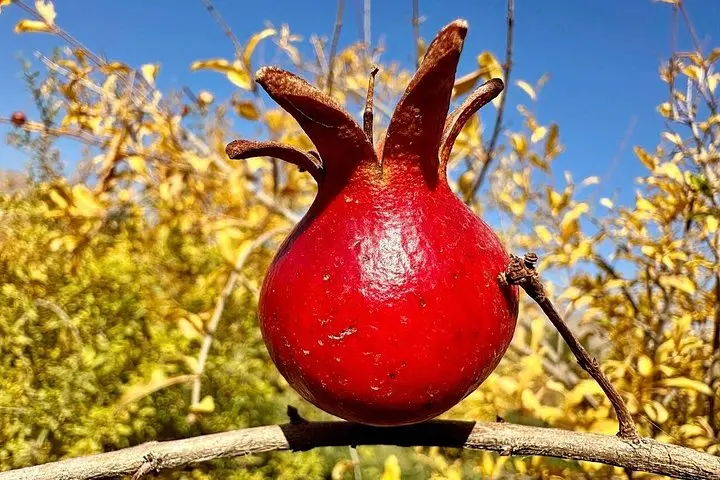
Geology here is blunt and honest: folded Paleozoic strata and young glacial valleys carved by ice and seasonal torrents. History threads through the itinerary — Iskanderkul (Alexander’s Lake) carries stories of Alexander the Great, Hulbuk Fortress marks medieval Khatlon power, and mausoleums and village mosques keep local memory alive. Culturally, expect simple homestays, Tajik hospitality, and pomegranate orchards where people still dry fruit by hand.
Practical guidance is straightforward. Roads can be long and bumpy; plan for multiple 3–6 hour drives across mountain passes. Altitude gain is gradual but real — allow time to hydrate and move at an easy pace in the highest valleys. Homestays and basic hotels are common; tent camping is possible at Iskanderkul. Pack layered clothing for sun, wind and sudden chill; bring cash for remote services and small local purchases.
The trip is an exercise in contrasts: warm river mouths daring you to follow them upstream, cliffs that slow the light, and small villages that welcome strangers with tea. Move deliberately, respect alpine ecosystems, and you’ll come away with broad vistas and a clearer sense of Tajikistan’s high country.
This itinerary reaches alpine valleys around 1,600–2,200 m; most travelers tolerate it with proper hydration and gradual pacing, but those prone to altitude sickness should consult a physician.
Visa requirements vary by nationality — check the Tajik government or your embassy for up‑to‑date entry rules and allow time for e‑visa processing if required.
Expect basic hotels and family homestays with simple heating and shared bathrooms; Iskanderkul also offers camping options for more rustic nights.
Bottled water is recommended in towns; in mountain villages you can refill from treated sources but boil or filter stream water before drinking.
Bunyod-Tour operates guided outdoor trips and adventures with an emphasis on safety, stewardship, and memorable experiences.
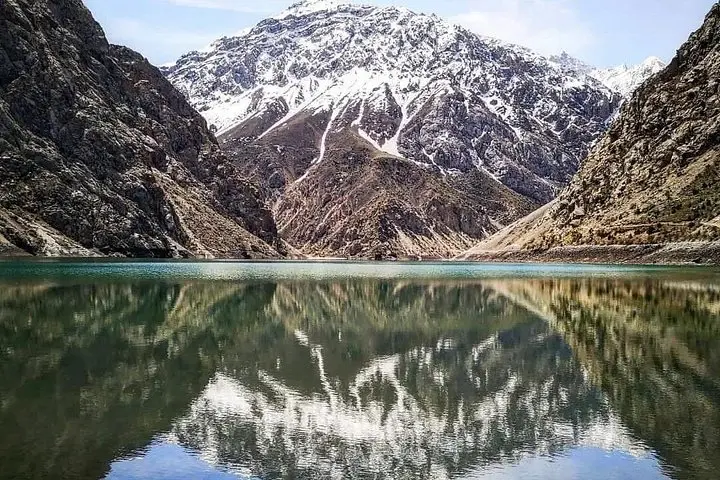
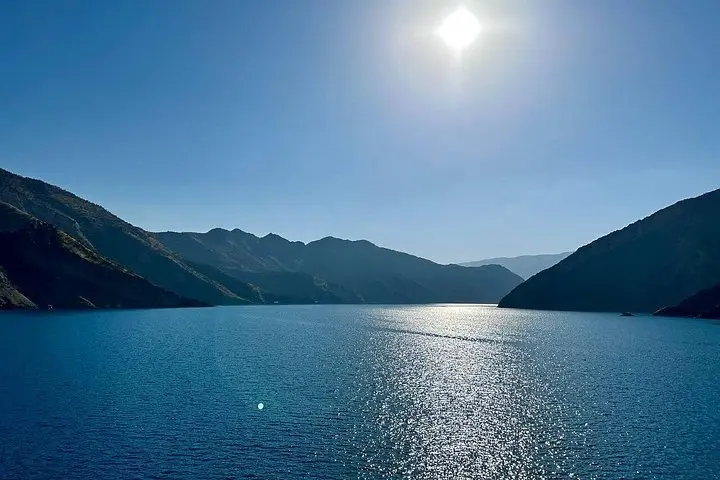
A cold wind pushes down from the Fan Mountains as your minivan carves the valley road; juniper branches slap at the windows and the lakes ahead flash like shards of cobalt. On this five‑day circuit you move from low farmland into high alpine hollows — the Seven Lakes sit between 1,640 and 1,820 meters while Iskanderkul rests around 2,200 m — so the landscape shifts from irrigated fields to rocky ridgelines and glacier‑fed water.
A cold wind pushes down from the Fan Mountains as your minivan carves the valley road; juniper branches slap at the windows and the lakes ahead flash like shards of cobalt. On this five‑day circuit you move from low farmland into high alpine hollows — the Seven Lakes sit between 1,640 and 1,820 meters while Iskanderkul rests around 2,200 m — so the landscape shifts from irrigated fields to rocky ridgelines and glacier‑fed water.
Geology here is blunt and honest: folded Paleozoic strata and young glacial valleys carved by ice and seasonal torrents. History threads through the itinerary — Iskanderkul (Alexander’s Lake) carries stories of Alexander the Great, Hulbuk Fortress marks medieval Khatlon power, and mausoleums and village mosques keep local memory alive. Culturally, expect simple homestays, Tajik hospitality, and pomegranate orchards where people still dry fruit by hand.
Practical guidance is straightforward. Roads can be long and bumpy; plan for multiple 3–6 hour drives across mountain passes. Altitude gain is gradual but real — allow time to hydrate and move at an easy pace in the highest valleys. Homestays and basic hotels are common; tent camping is possible at Iskanderkul. Pack layered clothing for sun, wind and sudden chill; bring cash for remote services and small local purchases.
The trip is an exercise in contrasts: warm river mouths daring you to follow them upstream, cliffs that slow the light, and small villages that welcome strangers with tea. Move deliberately, respect alpine ecosystems, and you’ll come away with broad vistas and a clearer sense of Tajikistan’s high country.