THE ADVENTURE COLLECTIVE® · Independent discovery and booking for outdoor travel

A guided, multi-day trek from Cluj-Napoca into Romania’s Retezat National Park that links high passes, glacial lakes and rugged peaks over nine days. Expect long days, big elevation change, tent nights and dramatic alpine scenery.
A guided, multi-day trek from Cluj-Napoca into Romania’s Retezat National Park that links high passes, glacial lakes and rugged peaks over nine days. Expect long days, big elevation change, tent nights and dramatic alpine scenery.
Dawn breaks over the train platform in Cluj-Napoca and the air tastes of coffee and gear wax. By mid-morning the minibus and a short rail link deliver you to Cirnic; from there the trail climbs out of mixed beech forest toward Pietrele refuge at 1,480 m, the gateway to a high-country carved by ice.
Verified experiences and guided adventures in the surrounding area.
Operated by Romaniatourism · Hațeg, Hunedoara County
Dawn breaks over the train platform in Cluj-Napoca and the air tastes of coffee and gear wax. By mid-morning the minibus and a short rail link deliver you to Cirnic; from there the trail climbs out of mixed beech forest toward Pietrele refuge at 1,480 m, the gateway to a high-country carved by ice.
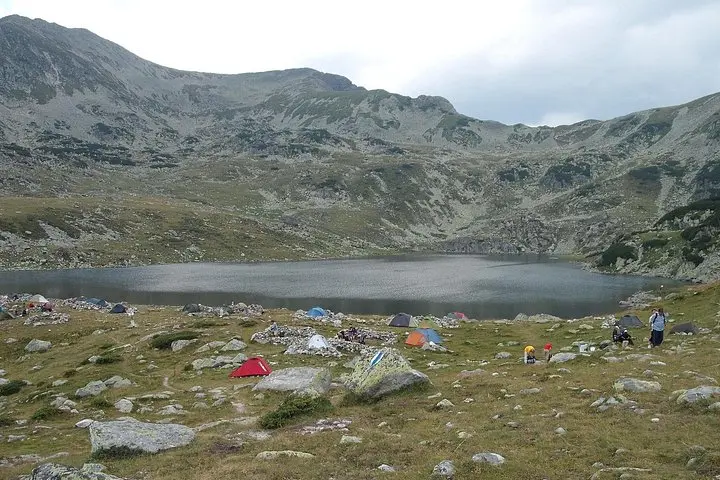
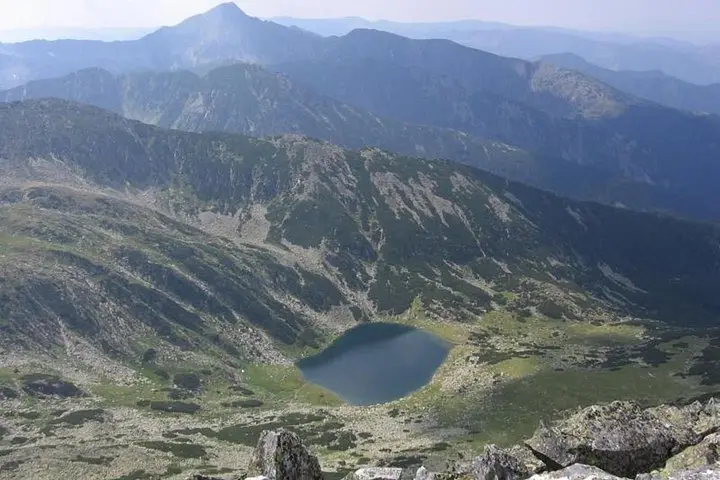
Retezat National Park—Romania’s first national park, established in 1935—holds over 80 glacial lakes in basins scoured by Pleistocene glaciers. Granite and schist ridges frame steep cirques; Peleaga (2,509 m) and Retezat (2,482 m) stand as the range’s spine while Lake Bucura, Romania’s largest glacial lake, collects meltwater below their walls.
The local culture is mountain pasture and shepherding: wooden chalets, seasonal herds, and trails shaped by shepherd routes still used today. Geologically the area is young in relief—sharp peaks, narrow cols, and lakes that demand respect from those crossing them.
Practical edge: this guided, multi-day trek covers 20–25 km on long days with repeated 800–1,100 m elevation changes; expect exposed alpine rock, scree slopes, and boggy meadow approaches around tarns. Nights are in tents (or a chalet if weather forces a change) and temperatures can drop sharply—bring an insulated sleeping pad and a winter-rated bag even in summer. Water is available at streams and lakes but should be treated. The route requires steady fitness, good boots, and trekking poles for descents. Leave no trace, follow your guide’s route choices, and plan for sudden weather. The park’s wildness rewards effort with high ridgelines, turquoise lakes, and the long silence of true mountain nights.
This is a challenging multi-day trek requiring good cardiovascular fitness and experience with long mountain days; you should be comfortable hiking 20–25 km with 800–1,100 m elevation gain.
Accommodation is primarily tent camping; on rare occasions and depending on weather the operator may use mountain chalets, but you should plan for backcountry camping each night.
Yes, this is a guided private tour with pick-up from Cluj. Entry to Retezat National Park may have regulations—your operator handles logistics but carry ID and follow park rules.
Late June through early September offers the most stable conditions and snow-free passes, but prepare for sudden weather and cold nights even then.
Romaniatourism operates guided outdoor trips and adventures with an emphasis on safety, stewardship, and memorable experiences.
Dawn breaks over the train platform in Cluj-Napoca and the air tastes of coffee and gear wax. By mid-morning the minibus and a short rail link deliver you to Cirnic; from there the trail climbs out of mixed beech forest toward Pietrele refuge at 1,480 m, the gateway to a high-country carved by ice.
Dawn breaks over the train platform in Cluj-Napoca and the air tastes of coffee and gear wax. By mid-morning the minibus and a short rail link deliver you to Cirnic; from there the trail climbs out of mixed beech forest toward Pietrele refuge at 1,480 m, the gateway to a high-country carved by ice.
Retezat National Park—Romania’s first national park, established in 1935—holds over 80 glacial lakes in basins scoured by Pleistocene glaciers. Granite and schist ridges frame steep cirques; Peleaga (2,509 m) and Retezat (2,482 m) stand as the range’s spine while Lake Bucura, Romania’s largest glacial lake, collects meltwater below their walls.
The local culture is mountain pasture and shepherding: wooden chalets, seasonal herds, and trails shaped by shepherd routes still used today. Geologically the area is young in relief—sharp peaks, narrow cols, and lakes that demand respect from those crossing them.
Practical edge: this guided, multi-day trek covers 20–25 km on long days with repeated 800–1,100 m elevation changes; expect exposed alpine rock, scree slopes, and boggy meadow approaches around tarns. Nights are in tents (or a chalet if weather forces a change) and temperatures can drop sharply—bring an insulated sleeping pad and a winter-rated bag even in summer. Water is available at streams and lakes but should be treated. The route requires steady fitness, good boots, and trekking poles for descents. Leave no trace, follow your guide’s route choices, and plan for sudden weather. The park’s wildness rewards effort with high ridgelines, turquoise lakes, and the long silence of true mountain nights.