THE ADVENTURE COLLECTIVE® · Independent discovery and booking for outdoor travel

An intensive 8–9 day circuit through Tadoba, Pench, Kanha and Bandhavgarh with daily jeep safaris and experienced naturalists. Expect early starts, long drives between parks and high-probability wildlife-viewing windows at dawn and dusk.
An intensive 8–9 day circuit through Tadoba, Pench, Kanha and Bandhavgarh with daily jeep safaris and experienced naturalists. Expect early starts, long drives between parks and high-probability wildlife-viewing windows at dawn and dusk.
You arrive in Nagpur before dawn and the highway opens up into burnt grass and teak forest as the jeep bumps toward the reserve. Dawn light skims the low ridges; dry leaves crack under the tyres and the naturalist scans riverbeds for pug marks. Over the next eight days you move through four of central India’s most productive tiger landscapes — Tadoba’s seasonal lakes, Pench’s riverine corridors, Kanha’s wide grasslands and Bandhavgarh’s rocky Tala zone.
Verified experiences and guided adventures in the surrounding area.
Operated by Agora Voyages Pvt. Ltd. · Nagpur, Maharashtra
You arrive in Nagpur before dawn and the highway opens up into burnt grass and teak forest as the jeep bumps toward the reserve. Dawn light skims the low ridges; dry leaves crack under the tyres and the naturalist scans riverbeds for pug marks. Over the next eight days you move through four of central India’s most productive tiger landscapes — Tadoba’s seasonal lakes, Pench’s riverine corridors, Kanha’s wide grasslands and Bandhavgarh’s rocky Tala zone.
These parks lie on the Deccan plateau and Vindhya–Satpura fringe, a geological transition of basalt plains and older sedimentary ridges that shapes river courses and grassland pockets. Human history here includes Gond and other tribal communities who have long-used the forest, colonial-era hunting reserves that later became protected areas, and contemporary conservation efforts focused on anti-poaching and habitat restoration.
Practically, expect early-morning and late-afternoon gypsy/jeep safaris escorted by forest naturalists, bumpy dirt tracks and long road transfers (typical drives range from 3–4.5 hours between parks; total overland distance ~900–1,000 km). The itinerary commonly includes 12 jeep safaris and eight nights’ accommodation. Sightings are best at dawn and dusk; carry binoculars, a long lens if photographing, and layered breathable clothing for early chills.
Book safaris and permits in advance, honor park rules (no smoking, stay in vehicle), and plan for limited cell reception in core zones. Hydrate, expect basic lodge comforts rather than luxury in remote camps, and be prepared for surprise encounters — tiger, sambar or a barking deer may appear from a thicket and change the rhythm of the day.
No — sightings are never guaranteed. These are wild animals; the tour increases chances with multiple morning and afternoon safaris and experienced naturalists, but sightings depend on animal movement and terrain.
The typical itinerary includes around 12 jeep safaris across the four parks, with morning and afternoon sessions on most days—confirm exact numbers when booking.
Options often include 8 nights’ accommodation in the chosen price category, but check the package selection since some bookings may offer land-only or different hotel categories.
Park entry permits are arranged by the operator in most packages; international travelers should carry passport and any visa documents, and check health recommendations before travel.
Agora Voyages Pvt. Ltd. operates guided outdoor trips and adventures with an emphasis on safety, stewardship, and memorable experiences.
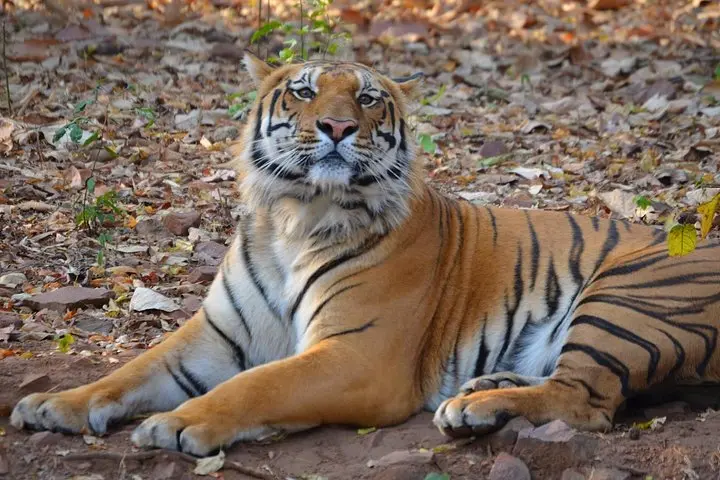
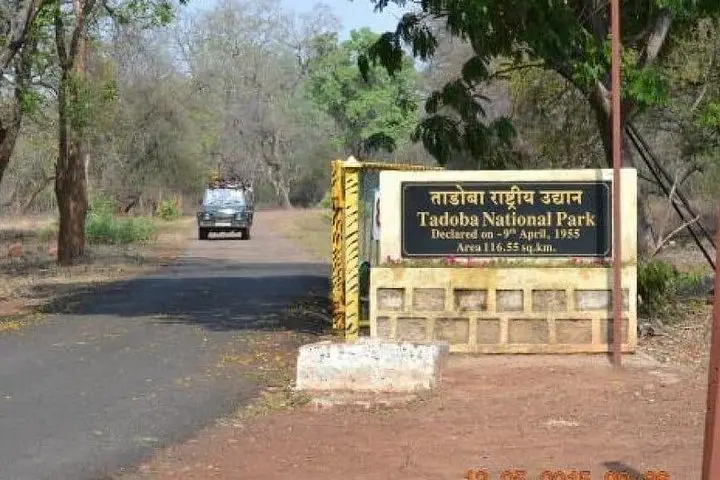
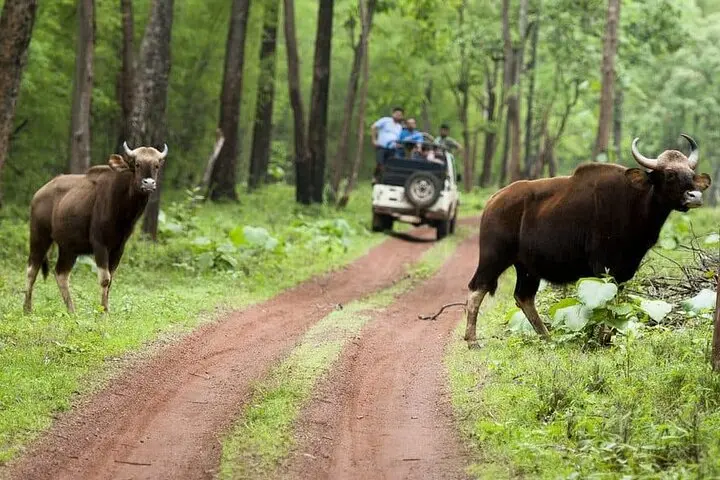
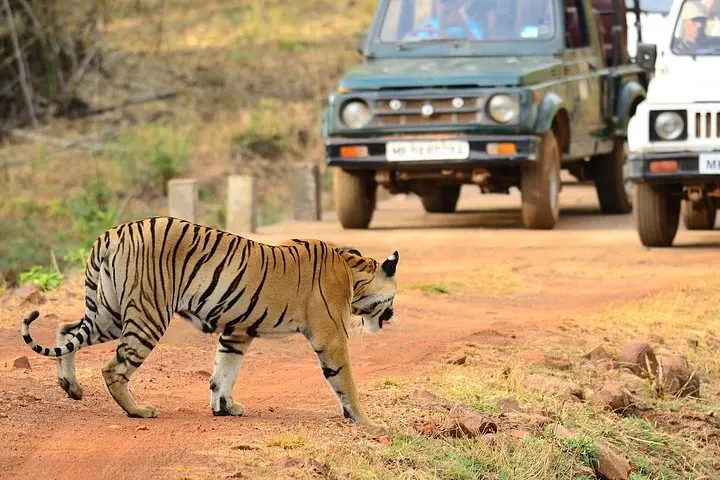
You arrive in Nagpur before dawn and the highway opens up into burnt grass and teak forest as the jeep bumps toward the reserve. Dawn light skims the low ridges; dry leaves crack under the tyres and the naturalist scans riverbeds for pug marks. Over the next eight days you move through four of central India’s most productive tiger landscapes — Tadoba’s seasonal lakes, Pench’s riverine corridors, Kanha’s wide grasslands and Bandhavgarh’s rocky Tala zone.
You arrive in Nagpur before dawn and the highway opens up into burnt grass and teak forest as the jeep bumps toward the reserve. Dawn light skims the low ridges; dry leaves crack under the tyres and the naturalist scans riverbeds for pug marks. Over the next eight days you move through four of central India’s most productive tiger landscapes — Tadoba’s seasonal lakes, Pench’s riverine corridors, Kanha’s wide grasslands and Bandhavgarh’s rocky Tala zone.
These parks lie on the Deccan plateau and Vindhya–Satpura fringe, a geological transition of basalt plains and older sedimentary ridges that shapes river courses and grassland pockets. Human history here includes Gond and other tribal communities who have long-used the forest, colonial-era hunting reserves that later became protected areas, and contemporary conservation efforts focused on anti-poaching and habitat restoration.
Practically, expect early-morning and late-afternoon gypsy/jeep safaris escorted by forest naturalists, bumpy dirt tracks and long road transfers (typical drives range from 3–4.5 hours between parks; total overland distance ~900–1,000 km). The itinerary commonly includes 12 jeep safaris and eight nights’ accommodation. Sightings are best at dawn and dusk; carry binoculars, a long lens if photographing, and layered breathable clothing for early chills.
Book safaris and permits in advance, honor park rules (no smoking, stay in vehicle), and plan for limited cell reception in core zones. Hydrate, expect basic lodge comforts rather than luxury in remote camps, and be prepared for surprise encounters — tiger, sambar or a barking deer may appear from a thicket and change the rhythm of the day.