THE ADVENTURE COLLECTIVE® · Independent discovery and booking for outdoor travel

Walk the living lanes of Mumbai’s historic bazaars with an expert guide — from Crawford Market’s produce stalls to the gold lanes of Zaveri Bazaar. This 3–4 hour private tour mixes history, bargaining tips and street snacks for a sensory city immersion.
Walk the living lanes of Mumbai’s historic bazaars with an expert guide — from Crawford Market’s produce stalls to the gold lanes of Zaveri Bazaar. This 3–4 hour private tour mixes history, bargaining tips and street snacks for a sensory city immersion.
The street opens like a stage — stalls shoulder to shoulder, aromas of frying spices daring you to take another step. On the Mumbai Bazaar Walking Tour, you move at the city’s pulse: an accredited guide threads you through Crawford Market’s produce stalls, the riotous silks of Mangaldas, the gold-sparkle lanes of Zaveri Bazaar, and the temple hush near Shri Mumbadevi.
Verified experiences and guided adventures in the surrounding area.
Operated by Young Tours And Travel · Mumbai, Maharashtra
The street opens like a stage — stalls shoulder to shoulder, aromas of frying spices daring you to take another step. On the Mumbai Bazaar Walking Tour, you move at the city’s pulse: an accredited guide threads you through Crawford Market’s produce stalls, the riotous silks of Mangaldas, the gold-sparkle lanes of Zaveri Bazaar, and the temple hush near Shri Mumbadevi.
These markets are products of layered histories. Crawford Market (late 19th century) reflects colonial commerce built atop indigenous trade routes; Bhuleshwar and Zaveri evolved as artisan and jewelry hubs over generations. Geology is less visible here than human geology — streets carved by waves of migrants, traders and craftsmen. Culture shows in ritual offerings at small shrines, in shouting vendors, and in the clack of fabric being measured.
Expect uneven pavements, sudden crowds and snacks arranged on plastic sheets — vada pav, bhel puri and kebabs are common stopovers. Guides explain bargaining norms, local footpaths and which stalls use fresh ingredients. Photography is welcome, but ask before shooting people or inside temples.
Practicalities matter: the tour is 3–4 hours, covers 2–4 kilometers at a walking pace, and includes short standing stops. Early mornings and late afternoons offer cooler light and thinner crowds; monsoon months bring heavy rain and slick lanes. Bring a small daypack, local cash, and comfortable shoes. The tour is private and suitable for most fitness levels, making it a compact immersion into Mumbai’s living market culture.
The private tour runs about 3–4 hours and typically covers 2–4 km at a relaxed pace with multiple short stops.
Guides point to popular, well-prepared vendors; use common-sense choices—freshly cooked items and busy stalls are safer than long-sitting plates.
Many lanes are narrow with steps and uneven surfaces; accessibility varies by market and some areas may be difficult for wheelchairs.
Tipping the guide is customary (10–15% of tour cost depending on service); tipping vendors is not required but small gestures are appreciated.
Young Tours And Travel operates guided outdoor trips and adventures with an emphasis on safety, stewardship, and memorable experiences.
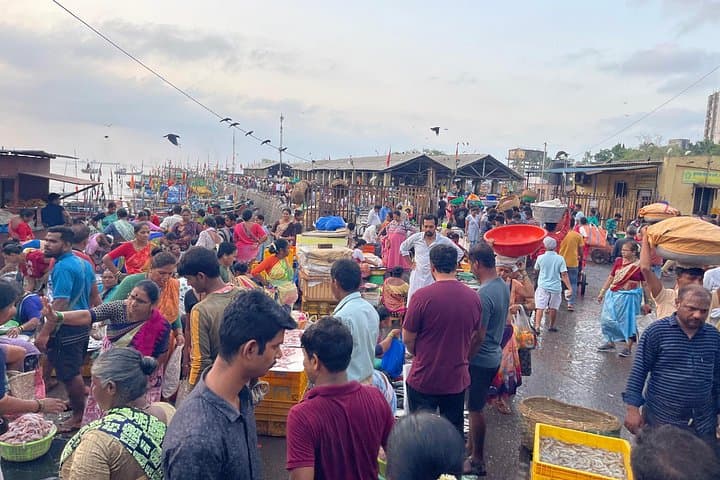
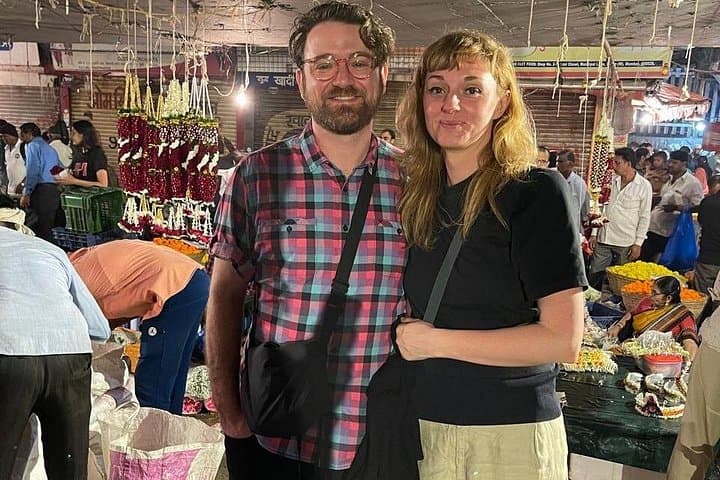


The street opens like a stage — stalls shoulder to shoulder, aromas of frying spices daring you to take another step. On the Mumbai Bazaar Walking Tour, you move at the city’s pulse: an accredited guide threads you through Crawford Market’s produce stalls, the riotous silks of Mangaldas, the gold-sparkle lanes of Zaveri Bazaar, and the temple hush near Shri Mumbadevi.
The street opens like a stage — stalls shoulder to shoulder, aromas of frying spices daring you to take another step. On the Mumbai Bazaar Walking Tour, you move at the city’s pulse: an accredited guide threads you through Crawford Market’s produce stalls, the riotous silks of Mangaldas, the gold-sparkle lanes of Zaveri Bazaar, and the temple hush near Shri Mumbadevi.
These markets are products of layered histories. Crawford Market (late 19th century) reflects colonial commerce built atop indigenous trade routes; Bhuleshwar and Zaveri evolved as artisan and jewelry hubs over generations. Geology is less visible here than human geology — streets carved by waves of migrants, traders and craftsmen. Culture shows in ritual offerings at small shrines, in shouting vendors, and in the clack of fabric being measured.
Expect uneven pavements, sudden crowds and snacks arranged on plastic sheets — vada pav, bhel puri and kebabs are common stopovers. Guides explain bargaining norms, local footpaths and which stalls use fresh ingredients. Photography is welcome, but ask before shooting people or inside temples.
Practicalities matter: the tour is 3–4 hours, covers 2–4 kilometers at a walking pace, and includes short standing stops. Early mornings and late afternoons offer cooler light and thinner crowds; monsoon months bring heavy rain and slick lanes. Bring a small daypack, local cash, and comfortable shoes. The tour is private and suitable for most fitness levels, making it a compact immersion into Mumbai’s living market culture.