THE ADVENTURE COLLECTIVE® · Independent discovery and booking for outdoor travel

Fly from Mumbai for a long but doable day trip to Agra to see the Taj Mahal and Agra Fort. This itinerary includes flights, transfers, and guided time at both sites — plan for an 18-hour round trip with walking on flat, paved grounds.
Fly from Mumbai for a long but doable day trip to Agra to see the Taj Mahal and Agra Fort. This itinerary includes flights, transfers, and guided time at both sites — plan for an 18-hour round trip with walking on flat, paved grounds.
You step out of the Delhi airport into cool morning light and, within an hour, the car is humming toward Agra across flat agricultural plains. The Yamuna River keeps time alongside the highway, a slow ribbon that seems to pull the city’s white marble forward as the distance shrinks.
Verified experiences and guided adventures in the surrounding area.
Operated by SITA World Tours · Agra, Uttar Pradesh
You step out of the Delhi airport into cool morning light and, within an hour, the car is humming toward Agra across flat agricultural plains. The Yamuna River keeps time alongside the highway, a slow ribbon that seems to pull the city’s white marble forward as the distance shrinks.
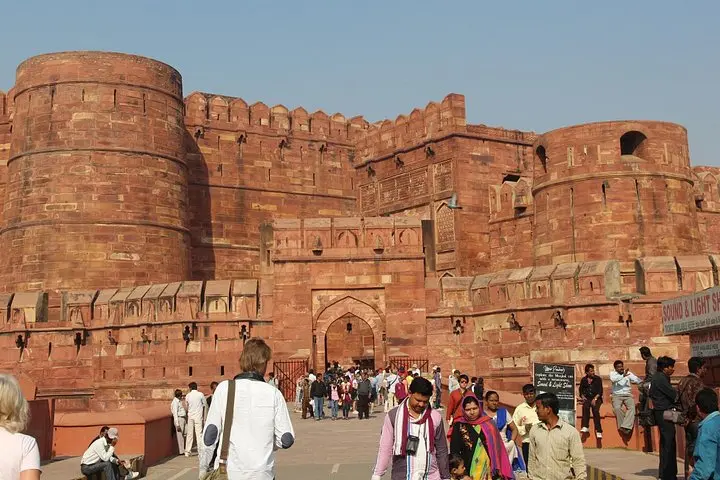
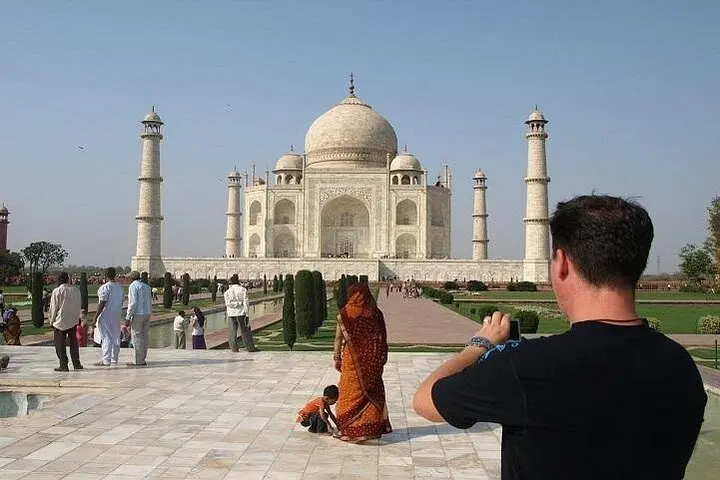
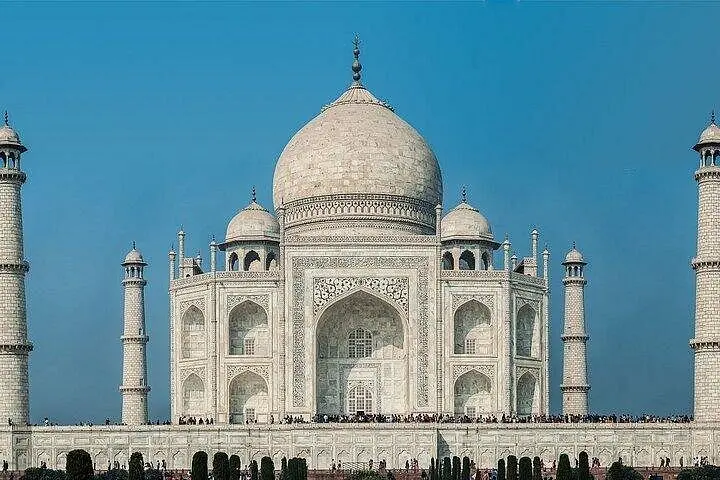
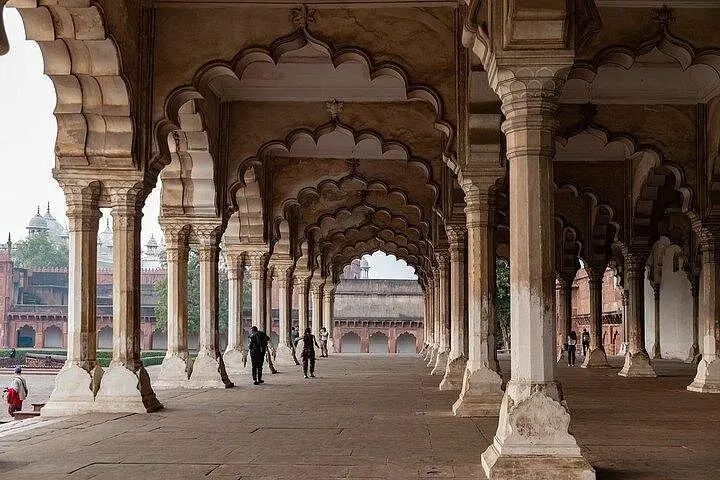
The centerpiece is the Taj Mahal — Shah Jahan’s marble mausoleum — whose clean geometry and delicate inlay work reflect Mughal mastery of stone and water. Nearby, Agra Fort perches on the river’s bank, a red-sandstone fortress that reveals Mughal domestic life in its halls and terraces. Geologically the region sits on the Indo-Gangetic plain: little elevation, compact alluvial soils and broad, open skies that make sunsets dramatic.
Culturally this route traces the Mughal capital’s move toward Delhi and the long history of trade routes that crossed northern India. Local vendors sell sweetmeats and petha near the monuments; tea stalls are an everyday chorus.
Practical guidance: expect a very long day — roughly 18 hours door-to-door. Walking at the Taj and Agra Fort is mostly flat paved paths with short stair sections in the fort; plan for 2–4 km of walking total and minimal elevation gain. Security checks and ticket lines add time; the Taj is closed on Fridays. Bring a printed or mobile copy of passport details for domestic flight and ID checks.
Wear closed-toe shoes for cobbled courtyards, sun protection for open courtyards, and carry water — two bottles are typically provided but plan for extras. Timing is everything: early-morning light improves photos and reduces midday heat, while late-afternoon returns to Delhi aim to catch evening flights back to Mumbai.
No, the Taj Mahal is closed on Fridays; plan your trip on another weekday or Saturday/Sunday when it reopens.
This tour description lists guided visits but does not include monument admission; confirm ticket details with the operator before travel.
Yes — passport details and physical ID are required for domestic flight check-in and are often requested at monument entry, so carry your passport.
By car it's roughly 200–220 km and typically takes 3–4 hours each way depending on traffic and road conditions.
SITA World Tours operates guided outdoor trips and adventures with an emphasis on safety, stewardship, and memorable experiences.
You step out of the Delhi airport into cool morning light and, within an hour, the car is humming toward Agra across flat agricultural plains. The Yamuna River keeps time alongside the highway, a slow ribbon that seems to pull the city’s white marble forward as the distance shrinks.
You step out of the Delhi airport into cool morning light and, within an hour, the car is humming toward Agra across flat agricultural plains. The Yamuna River keeps time alongside the highway, a slow ribbon that seems to pull the city’s white marble forward as the distance shrinks.
The centerpiece is the Taj Mahal — Shah Jahan’s marble mausoleum — whose clean geometry and delicate inlay work reflect Mughal mastery of stone and water. Nearby, Agra Fort perches on the river’s bank, a red-sandstone fortress that reveals Mughal domestic life in its halls and terraces. Geologically the region sits on the Indo-Gangetic plain: little elevation, compact alluvial soils and broad, open skies that make sunsets dramatic.
Culturally this route traces the Mughal capital’s move toward Delhi and the long history of trade routes that crossed northern India. Local vendors sell sweetmeats and petha near the monuments; tea stalls are an everyday chorus.
Practical guidance: expect a very long day — roughly 18 hours door-to-door. Walking at the Taj and Agra Fort is mostly flat paved paths with short stair sections in the fort; plan for 2–4 km of walking total and minimal elevation gain. Security checks and ticket lines add time; the Taj is closed on Fridays. Bring a printed or mobile copy of passport details for domestic flight and ID checks.
Wear closed-toe shoes for cobbled courtyards, sun protection for open courtyards, and carry water — two bottles are typically provided but plan for extras. Timing is everything: early-morning light improves photos and reduces midday heat, while late-afternoon returns to Delhi aim to catch evening flights back to Mumbai.