THE ADVENTURE COLLECTIVE® · Independent discovery and booking for outdoor travel

Walk through the working heart of Mumbai on a 3.5-hour cultural tour that pairs the dhobi ghat’s open-air laundries with a front-row look at the famed dabbawalas and the industrious lanes of Dharavi. Expect close encounters, practical craftsmanship, and local stories.
Walk through the working heart of Mumbai on a 3.5-hour cultural tour that pairs the dhobi ghat’s open-air laundries with a front-row look at the famed dabbawalas and the industrious lanes of Dharavi. Expect close encounters, practical craftsmanship, and local stories.
You step out of the car into a current of voices, clipped metal, and steam—Mahalaxmi’s Dhobi Ghat stretches ahead like an industrial river, lines of laundry hanging like flags. The guide steers you through narrow lanes where the dabbawalas assemble, their coded crates stacked with noon meals destined for offices across the city. This is Mumbai as practical poetry: function driving form.
Verified experiences and guided adventures in the surrounding area.
Operated by Cityscape Mumbai Tours · Mumbai, Maharashtra
You step out of the car into a current of voices, clipped metal, and steam—Mahalaxmi’s Dhobi Ghat stretches ahead like an industrial river, lines of laundry hanging like flags. The guide steers you through narrow lanes where the dabbawalas assemble, their coded crates stacked with noon meals destined for offices across the city. This is Mumbai as practical poetry: function driving form.
Dharavi’s lanes tell a layered history—from reclaimed mangrove flats to a dense, self-reinforcing ecosystem of small industry and informal trade. Geologically the area sits on low-lying, alluvial land along the Mithi River; culturally it’s a crossroads of migrant communities who have built livelihoods here for generations. The dabbawala network, active for over a century, operates on an almost mechanical precision that has drawn logistics scholars worldwide.
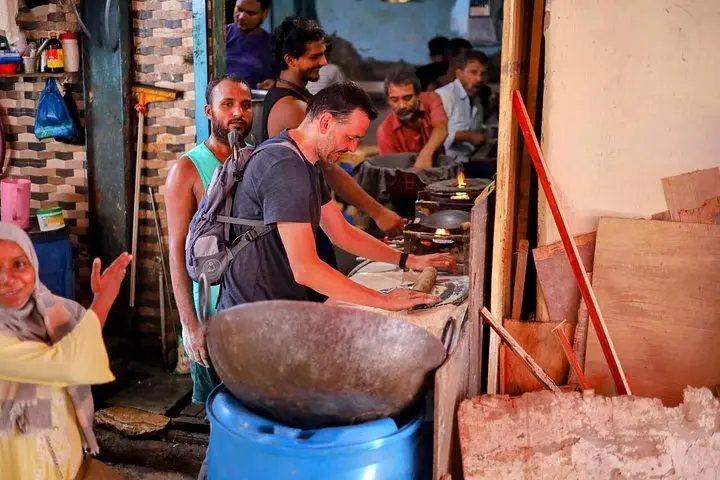
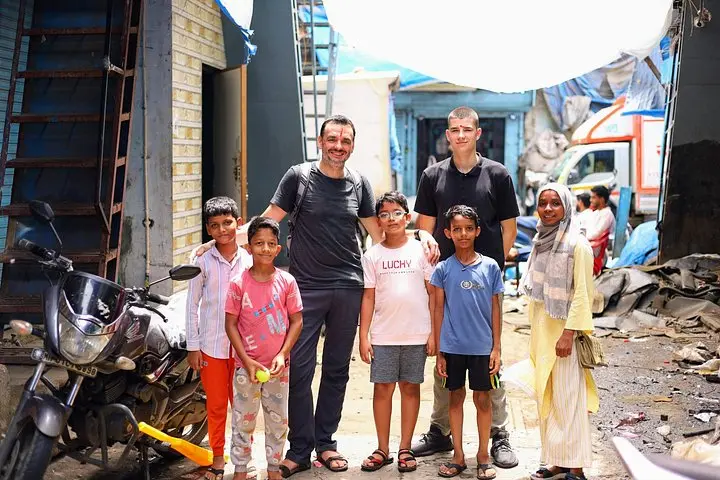
On this 3.5-hour walking tour expect close-up viewing of laundry pits, hand-cranked presses, and workshops that turn waste into commerce. You’ll meet artisans, hear local stories, and watch the dabbawalas sort and dispatch lunchboxes by code and muscle memory. Photography is possible but should be requested respectfully; these are working spaces.
Practical guidance: wear closed-toe shoes for uneven alleyways, bring a scarf for dust, carry cash for small purchases, and plan travel time—traffic can add 30–60 minutes each way. Tours run in small groups; they’re accessible for most fitness levels but involve standing and short walks on compacted earth and concrete. Go with curiosity and courtesy—the communities you visit rely on respectful, sustainable engagement.
Yes — tours are run by local guides who know the area; follow their directions, stay with the group, and avoid photographing people without permission.
Ask first—many workers will agree to photos if asked politely, but some spaces and people prefer privacy.
Generally yes; the route involves short walks and standing but can be adjusted for pace—check with the operator for mobility needs.
Bottled water and transportation are included per the listing; bring snacks or plan post-tour meals separately.
Cityscape Mumbai Tours operates guided outdoor trips and adventures with an emphasis on safety, stewardship, and memorable experiences.
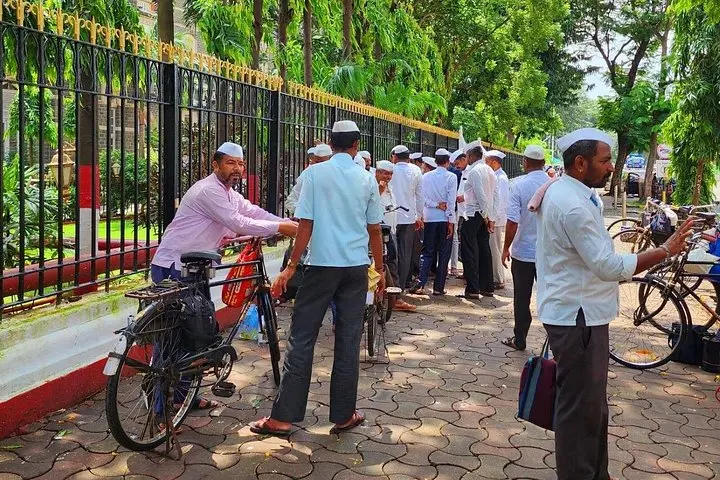
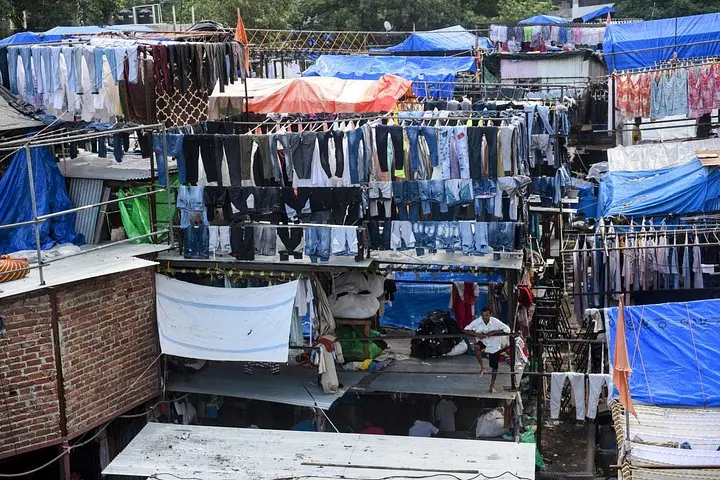
You step out of the car into a current of voices, clipped metal, and steam—Mahalaxmi’s Dhobi Ghat stretches ahead like an industrial river, lines of laundry hanging like flags. The guide steers you through narrow lanes where the dabbawalas assemble, their coded crates stacked with noon meals destined for offices across the city. This is Mumbai as practical poetry: function driving form.
You step out of the car into a current of voices, clipped metal, and steam—Mahalaxmi’s Dhobi Ghat stretches ahead like an industrial river, lines of laundry hanging like flags. The guide steers you through narrow lanes where the dabbawalas assemble, their coded crates stacked with noon meals destined for offices across the city. This is Mumbai as practical poetry: function driving form.
Dharavi’s lanes tell a layered history—from reclaimed mangrove flats to a dense, self-reinforcing ecosystem of small industry and informal trade. Geologically the area sits on low-lying, alluvial land along the Mithi River; culturally it’s a crossroads of migrant communities who have built livelihoods here for generations. The dabbawala network, active for over a century, operates on an almost mechanical precision that has drawn logistics scholars worldwide.
On this 3.5-hour walking tour expect close-up viewing of laundry pits, hand-cranked presses, and workshops that turn waste into commerce. You’ll meet artisans, hear local stories, and watch the dabbawalas sort and dispatch lunchboxes by code and muscle memory. Photography is possible but should be requested respectfully; these are working spaces.
Practical guidance: wear closed-toe shoes for uneven alleyways, bring a scarf for dust, carry cash for small purchases, and plan travel time—traffic can add 30–60 minutes each way. Tours run in small groups; they’re accessible for most fitness levels but involve standing and short walks on compacted earth and concrete. Go with curiosity and courtesy—the communities you visit rely on respectful, sustainable engagement.