THE ADVENTURE COLLECTIVE® · Independent discovery and booking for outdoor travel

See Mumbai’s defining contrasts in a single day: colonial arches and coastal promenades on the mainland, then a short ferry ride to Elephanta’s ancient rock-cut temples. This full-day tour pairs history, harbor scenery, and local color with practical logistics and accessibility for most travelers.
See Mumbai’s defining contrasts in a single day: colonial arches and coastal promenades on the mainland, then a short ferry ride to Elephanta’s ancient rock-cut temples. This full-day tour pairs history, harbor scenery, and local color with practical logistics and accessibility for most travelers.
Morning light spills off the Arabian Sea as the tour departs from Colaba, the city’s southern firmament of colonial facades and clattering trams. The Gateway of India looms first — a stone arch that once watched ships arrive and depart — before the group boards a ferry. The harbour breathes around the vessel, the wake daring you toward Elephanta Island.
Verified experiences and guided adventures in the surrounding area.
Operated by Cityscape Mumbai Tours · Mumbai, Maharashtra
Morning light spills off the Arabian Sea as the tour departs from Colaba, the city’s southern firmament of colonial facades and clattering trams. The Gateway of India looms first — a stone arch that once watched ships arrive and depart — before the group boards a ferry. The harbour breathes around the vessel, the wake daring you toward Elephanta Island.
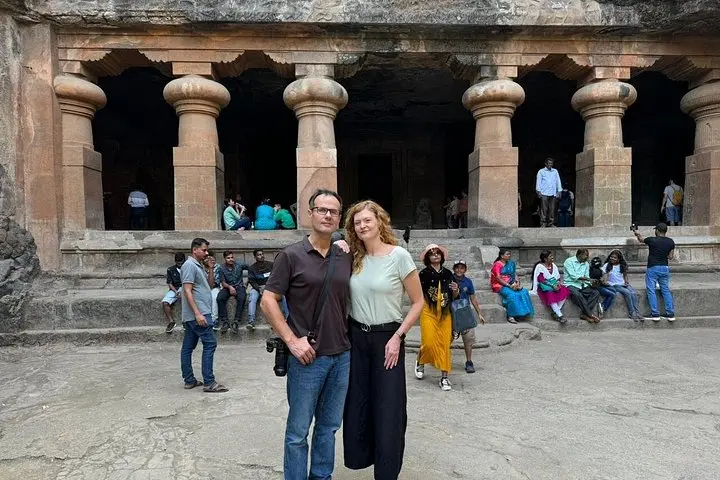
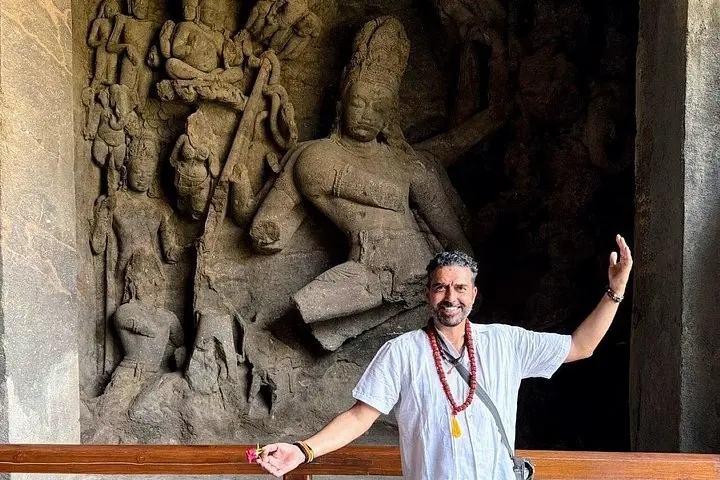
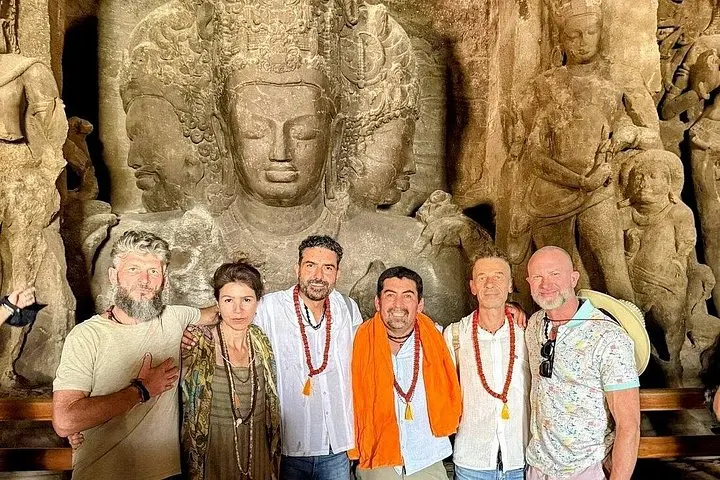
Elephanta’s rock-cut temples are the day’s focal point: cavernous shrines carved from basalt, their reliefs of Shiva and other deities weathered but distinct. The island holds layers of history — 5th–8th century Hindu and early Buddhist influence, later Portuguese-era maps — set against a volcanic geology that turned ancient lava flows into sculptable stone.
Back on the mainland the tour threads through Mumbai’s living contrasts: the open-air rhythm of Dhobi Ghat, the frenetic markets of Colaba and Crawford, and the serene terraces of Malabar Hill. Guides usually mix architectural notes on Chhatrapati Shivaji Maharaj Terminus with local anecdotes about chawls and cricket culture at the Oval Ground.
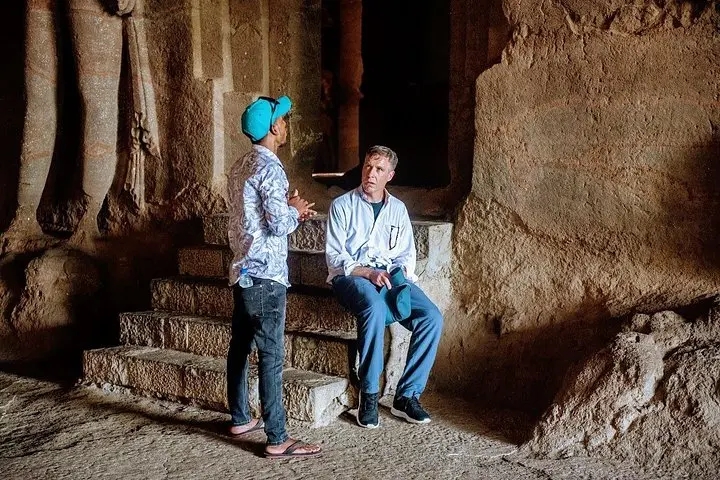
Practical guidance: expect an 8–10 hour day with multiple stops and roughly 2–3 hours of walking, including stairs on Elephanta. Carry sun protection, refillable water, and lightweight footwear with good grip — many cave steps are uneven. Ferries can be choppy; choose a seat near the center for steadiness and arrive early to avoid the midday crowds. Time your visit outside peak monsoon squalls for clearer views and easier walking.
The ferry crossing typically takes 1–1.5 hours round trip depending on sea conditions and the departure point in Mumbai Harbour.
Many tours include the island admission; confirm at booking — independent visitors can also buy tickets at the jetty entrance.
The ferry and island terrain include uneven steps and a steep climb to the caves, so it’s not fully wheelchair accessible; check with the operator about assistance options.
There are small stalls and cafes near the jetty and on the island offering snacks and bottled drinks, but options are limited compared with Mumbai.
Cityscape Mumbai Tours operates guided outdoor trips and adventures with an emphasis on safety, stewardship, and memorable experiences.
Morning light spills off the Arabian Sea as the tour departs from Colaba, the city’s southern firmament of colonial facades and clattering trams. The Gateway of India looms first — a stone arch that once watched ships arrive and depart — before the group boards a ferry. The harbour breathes around the vessel, the wake daring you toward Elephanta Island.
Morning light spills off the Arabian Sea as the tour departs from Colaba, the city’s southern firmament of colonial facades and clattering trams. The Gateway of India looms first — a stone arch that once watched ships arrive and depart — before the group boards a ferry. The harbour breathes around the vessel, the wake daring you toward Elephanta Island.
Elephanta’s rock-cut temples are the day’s focal point: cavernous shrines carved from basalt, their reliefs of Shiva and other deities weathered but distinct. The island holds layers of history — 5th–8th century Hindu and early Buddhist influence, later Portuguese-era maps — set against a volcanic geology that turned ancient lava flows into sculptable stone.
Back on the mainland the tour threads through Mumbai’s living contrasts: the open-air rhythm of Dhobi Ghat, the frenetic markets of Colaba and Crawford, and the serene terraces of Malabar Hill. Guides usually mix architectural notes on Chhatrapati Shivaji Maharaj Terminus with local anecdotes about chawls and cricket culture at the Oval Ground.
Practical guidance: expect an 8–10 hour day with multiple stops and roughly 2–3 hours of walking, including stairs on Elephanta. Carry sun protection, refillable water, and lightweight footwear with good grip — many cave steps are uneven. Ferries can be choppy; choose a seat near the center for steadiness and arrive early to avoid the midday crowds. Time your visit outside peak monsoon squalls for clearer views and easier walking.