THE ADVENTURE COLLECTIVE® · Independent discovery and booking for outdoor travel

Experience two days that compress Mumbai’s many faces: colonial waterfront, the Dabbawalas, Dhobi Ghat and a ferry ride to the ancient Elephanta Caves. Practical pickup, a local guide and a mix of walking and boat travel make this a compact, revealing city escape.
Experience two days that compress Mumbai’s many faces: colonial waterfront, the Dabbawalas, Dhobi Ghat and a ferry ride to the ancient Elephanta Caves. Practical pickup, a local guide and a mix of walking and boat travel make this a compact, revealing city escape.
The day opens at the Gateway of India with spray from the Arabian Sea tasting of salt and diesel as ferries crisscross the harbor. Over two compact days this private tour stitches together Mumbai’s contrast: colonial stone, ocean-carved caves, human-powered laundries and a famously efficient lunchbox economy.
Verified experiences and guided adventures in the surrounding area.
Operated by BOMBAY TO MUMBAI TOURS · Mumbai, Maharashtra
The day opens at the Gateway of India with spray from the Arabian Sea tasting of salt and diesel as ferries crisscross the harbor. Over two compact days this private tour stitches together Mumbai’s contrast: colonial stone, ocean-carved caves, human-powered laundries and a famously efficient lunchbox economy.
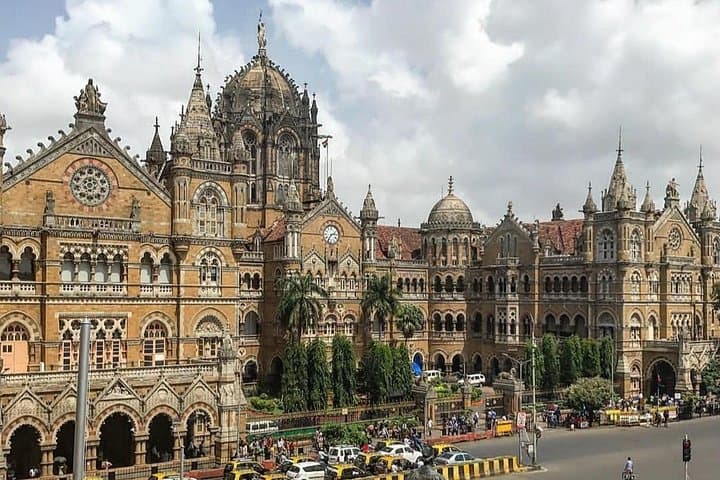
On day one a guide walks visitors through the city’s colonial spine—Taj Mahal Palace, Victoria Terminus (CST), Marine Drive and the working Dhobi Ghat—then steps behind the DSLR lens to show how the Dabbawalas move thousands of lunches with near-military precision. A guided walk through Dharavi follows; expect narrow lanes and active workshops rather than sanitized sightseeing.
Day two is a short sea crossing to Elephanta (Gharapuri), a basalt island formed from Deccan Trap flows. The rock-cut temples date to roughly the 5th–8th century CE and present large Shiva sculptures—Kalyanasundara and Ardhanarishvara among them—that reveal both religious practice and remarkable stone-carving technique.
Practical takeaways: ferries from the Gateway of India take about an hour each way and include a steep stair climb at the caves; a brief toy-train shuttle on the island is a quirky extra. Dress modestly for religious sites and Dharavi, bring a refillable bottle, and expect crowds during peak season (Oct–Feb). The operator provides bottled water, an English-speaking guide and private vehicle pickup; confirm any site-entry fees ahead of time. Pace your visit—this itinerary rewards attention and curiosity more than speed.
This tour lists transportation and guide services; confirm with the operator whether monument entry fees or island ferry tickets are covered or charged separately.
The guided Dharavi walk covers working lanes with a local guide and is generally safe; wear modest clothing and follow the guide’s cues for respectful photography.
Elephanta requires climbing carved stone steps to reach the main cave and has uneven surfaces—visitor access is limited for those with mobility constraints.
Yes—the itinerary includes an explanation and morning viewing of Dabbawala box transfers, which are most active during peak lunch-hours.
BOMBAY TO MUMBAI TOURS operates guided outdoor trips and adventures with an emphasis on safety, stewardship, and memorable experiences.


The day opens at the Gateway of India with spray from the Arabian Sea tasting of salt and diesel as ferries crisscross the harbor. Over two compact days this private tour stitches together Mumbai’s contrast: colonial stone, ocean-carved caves, human-powered laundries and a famously efficient lunchbox economy.
The day opens at the Gateway of India with spray from the Arabian Sea tasting of salt and diesel as ferries crisscross the harbor. Over two compact days this private tour stitches together Mumbai’s contrast: colonial stone, ocean-carved caves, human-powered laundries and a famously efficient lunchbox economy.
On day one a guide walks visitors through the city’s colonial spine—Taj Mahal Palace, Victoria Terminus (CST), Marine Drive and the working Dhobi Ghat—then steps behind the DSLR lens to show how the Dabbawalas move thousands of lunches with near-military precision. A guided walk through Dharavi follows; expect narrow lanes and active workshops rather than sanitized sightseeing.
Day two is a short sea crossing to Elephanta (Gharapuri), a basalt island formed from Deccan Trap flows. The rock-cut temples date to roughly the 5th–8th century CE and present large Shiva sculptures—Kalyanasundara and Ardhanarishvara among them—that reveal both religious practice and remarkable stone-carving technique.
Practical takeaways: ferries from the Gateway of India take about an hour each way and include a steep stair climb at the caves; a brief toy-train shuttle on the island is a quirky extra. Dress modestly for religious sites and Dharavi, bring a refillable bottle, and expect crowds during peak season (Oct–Feb). The operator provides bottled water, an English-speaking guide and private vehicle pickup; confirm any site-entry fees ahead of time. Pace your visit—this itinerary rewards attention and curiosity more than speed.