THE ADVENTURE COLLECTIVE® · Independent discovery and booking for outdoor travel

Ride a Mumbai local train, feel the city’s tempo, and walk the rows of Mahalaxmi Dhobi Ghat on a private half-day tour. This compact cultural loop delivers high photographic payoff and an intimate look at everyday Mumbai.
Ride a Mumbai local train, feel the city’s tempo, and walk the rows of Mahalaxmi Dhobi Ghat on a private half-day tour. This compact cultural loop delivers high photographic payoff and an intimate look at everyday Mumbai.
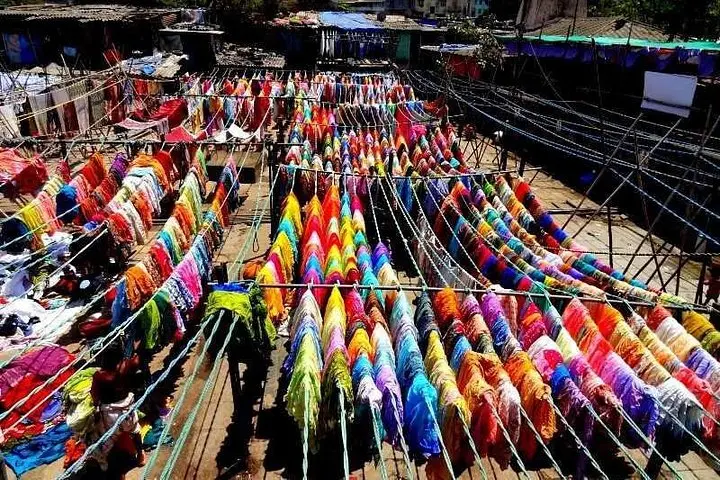
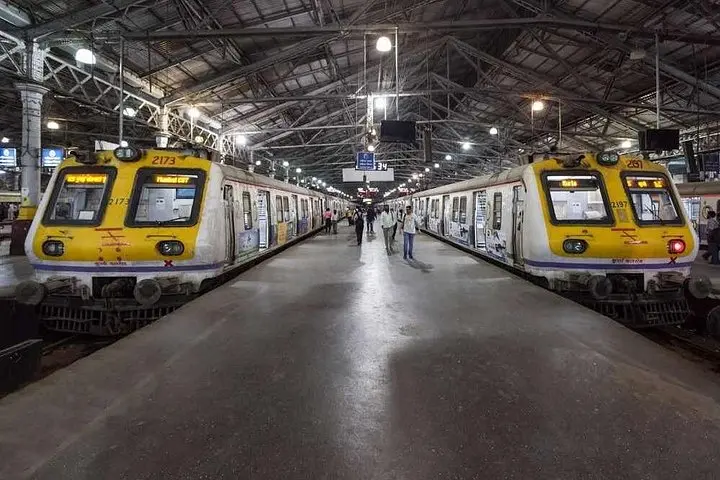
A smear of sunlight cuts across the platform as the local train screams into Churchgate; commuters become a moving river and the city itself seems to lean forward. On this four-hour private tour a guide shepherds visitors through that motion — a brief crash course in Mumbai’s pulse — before leading them into the tight alleys of Mahalaxmi Dhobi Ghat, the open-air laundry where cloth, rhythm, and labor meet in rows of concrete wash pens.
Verified experiences and guided adventures in the surrounding area.
Operated by City Tours India · Mumbai, Maharashtra
A smear of sunlight cuts across the platform as the local train screams into Churchgate; commuters become a moving river and the city itself seems to lean forward. On this four-hour private tour a guide shepherds visitors through that motion — a brief crash course in Mumbai’s pulse — before leading them into the tight alleys of Mahalaxmi Dhobi Ghat, the open-air laundry where cloth, rhythm, and labor meet in rows of concrete wash pens.
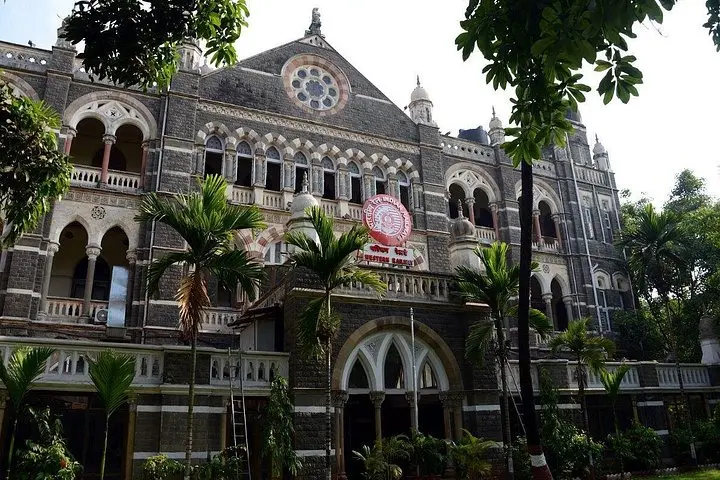
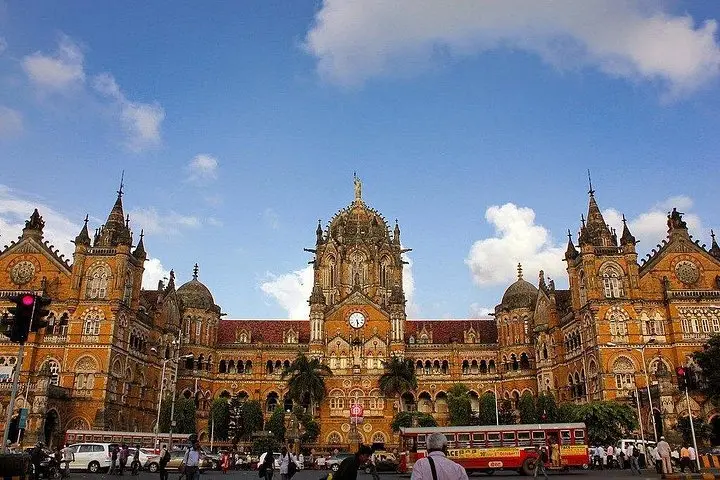
South Mumbai sits on reclaimed land and ancient Deccan basalt; the urban coastline and colonial-era gate names like Churchgate tell a history of maritime trade, expansion, and the city’s role as India’s commercial hub. The suburban railway, carrying millions daily, is both infrastructure and social stage; Dhobi Ghat is equally emblematic, reflecting long-standing informal economies and a communal approach to garment care.
Expect up-close human stories, bold color, and textured urban contrasts: the jostle on the train, the cadence of scrubbing stones, the hum of market life. Photography is plentiful but done respectfully — guides emphasize consent and safety.
Practicalities: plan for 3–4 hours, wear closed-toe shoes and modest clothing for alleyways, and avoid peak monsoon rains. Trains are crowded and fast-moving; follow your guide, keep valuables secure, and allow time for short walks between stations. This is an accessible urban cultural walk with high photographic payoff and a clear window into everyday Mumbai life.
Yes—trains are safe but very crowded; remain with your guide, avoid peak commuter hours if possible, and keep valuables secured.
Photography is allowed, but be respectful: ask individuals before taking portraits and avoid obstructing their work.
Yes—tour notes say infants must sit on laps; be mindful of crowded platforms and plan for breaks if traveling with young children.
No special admission is required; the tour covers guiding and train arrangements but not purchases or optional tips.
City Tours India operates guided outdoor trips and adventures with an emphasis on safety, stewardship, and memorable experiences.
A smear of sunlight cuts across the platform as the local train screams into Churchgate; commuters become a moving river and the city itself seems to lean forward. On this four-hour private tour a guide shepherds visitors through that motion — a brief crash course in Mumbai’s pulse — before leading them into the tight alleys of Mahalaxmi Dhobi Ghat, the open-air laundry where cloth, rhythm, and labor meet in rows of concrete wash pens.
A smear of sunlight cuts across the platform as the local train screams into Churchgate; commuters become a moving river and the city itself seems to lean forward. On this four-hour private tour a guide shepherds visitors through that motion — a brief crash course in Mumbai’s pulse — before leading them into the tight alleys of Mahalaxmi Dhobi Ghat, the open-air laundry where cloth, rhythm, and labor meet in rows of concrete wash pens.
South Mumbai sits on reclaimed land and ancient Deccan basalt; the urban coastline and colonial-era gate names like Churchgate tell a history of maritime trade, expansion, and the city’s role as India’s commercial hub. The suburban railway, carrying millions daily, is both infrastructure and social stage; Dhobi Ghat is equally emblematic, reflecting long-standing informal economies and a communal approach to garment care.
Expect up-close human stories, bold color, and textured urban contrasts: the jostle on the train, the cadence of scrubbing stones, the hum of market life. Photography is plentiful but done respectfully — guides emphasize consent and safety.
Practicalities: plan for 3–4 hours, wear closed-toe shoes and modest clothing for alleyways, and avoid peak monsoon rains. Trains are crowded and fast-moving; follow your guide, keep valuables secure, and allow time for short walks between stations. This is an accessible urban cultural walk with high photographic payoff and a clear window into everyday Mumbai life.