THE ADVENTURE COLLECTIVE® · Independent discovery and booking for outdoor travel

Ride an open jeep through Mumbai’s Fort and Colaba precincts to encounter Gothic stations, colonial commercial blocks and waterfront views. This 2.5‑hour urban safari pairs close-up heritage storytelling with practical tips for photography and timing.
Ride an open jeep through Mumbai’s Fort and Colaba precincts to encounter Gothic stations, colonial commercial blocks and waterfront views. This 2.5‑hour urban safari pairs close-up heritage storytelling with practical tips for photography and timing.
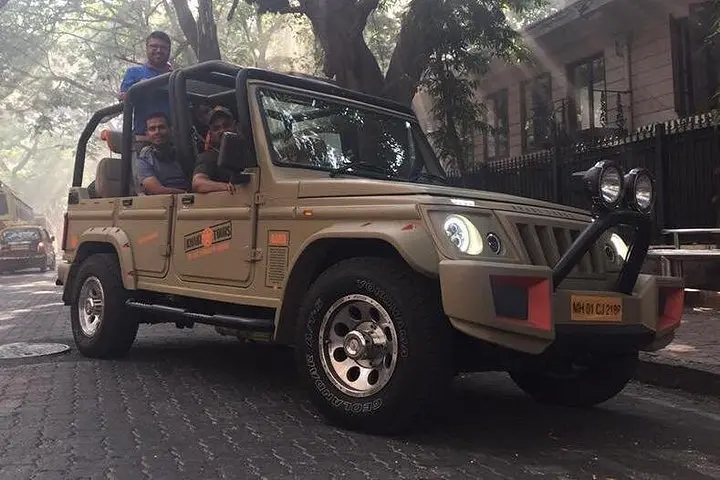
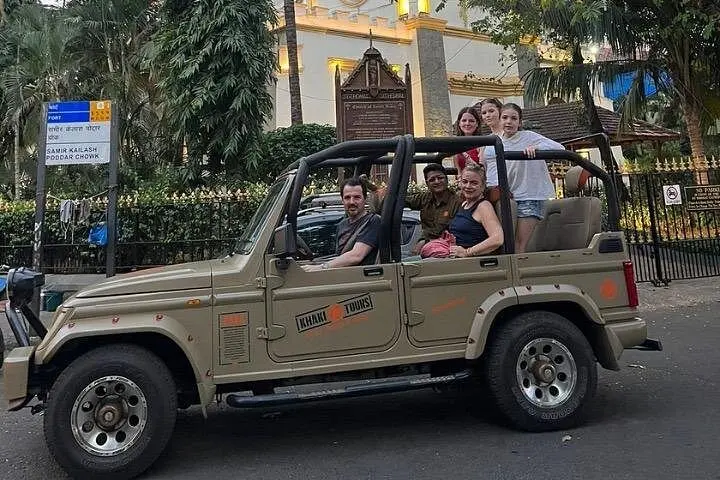
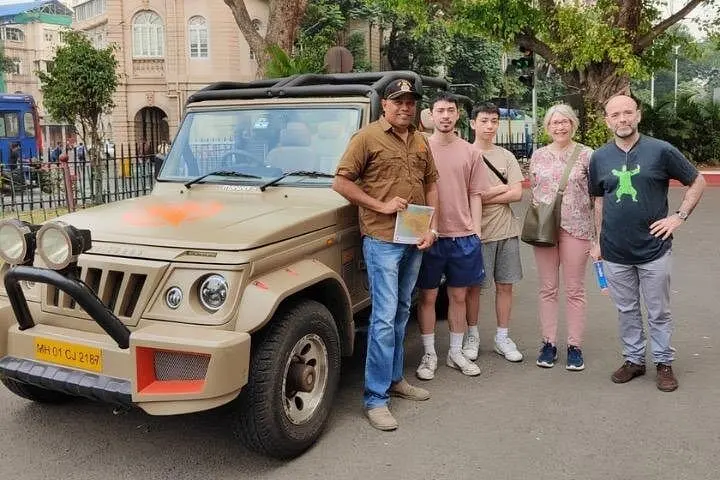
The open jeep rolls out from a narrow street, wind cutting through khaki and cotton as colonial facades slide by like pages of the city’s ledger. Salt-scented air from the harbour brushes faces near the Gateway of India; inside the Fort precinct, Victorian stone and Gothic arches demand a slower look.
Verified experiences and guided adventures in the surrounding area.
Operated by M/s Khaki Tours · Mumbai, Maharashtra
The open jeep rolls out from a narrow street, wind cutting through khaki and cotton as colonial facades slide by like pages of the city’s ledger. Salt-scented air from the harbour brushes faces near the Gateway of India; inside the Fort precinct, Victorian stone and Gothic arches demand a slower look.
This route traces the original seven islands of Bombay and the layered history of trade, empire and civic life. CSMT (Chhatrapati Shivaji Maharaj Terminus) stands as a 19th-century railway cathedral and UNESCO landmark; Ballard Estate and Horniman Circle show early-planned commercial grids. Geologically, Mumbai sits on Deccan basalt with extensive reclaimed flats—Colaba’s waterfront was extended to meet ships and commerce.
Culture here is public: vendors at Crawford Market, soapstone washers at Dhobi Talao, and the contemporary art pulse of Kala Ghoda. Local heritage groups have campaigned to restore plaques and lanes; the jeep lets you see architectural details you’d miss from a closed car.
Practically, expect a 2.5‑hour, 13 km loop at slow urban pace — frequent stops for photos and short walks. The ride is suitable for almost any fitness level but brings sun protection, comfortable footwear for short dismounts, and a secure camera strap; noise and traffic mean ears and cameras should be held tight. Arrive 10 minutes early, be ready to show your ticket on mobile, and note organizers may reschedule in heavy monsoon rains. Respect local rules: no smoking or drinking onboard, and follow your host’s guidance near busy intersections.
This is a cinematic, grounded way to meet Mumbai’s streets: loud, layered and insistently alive.
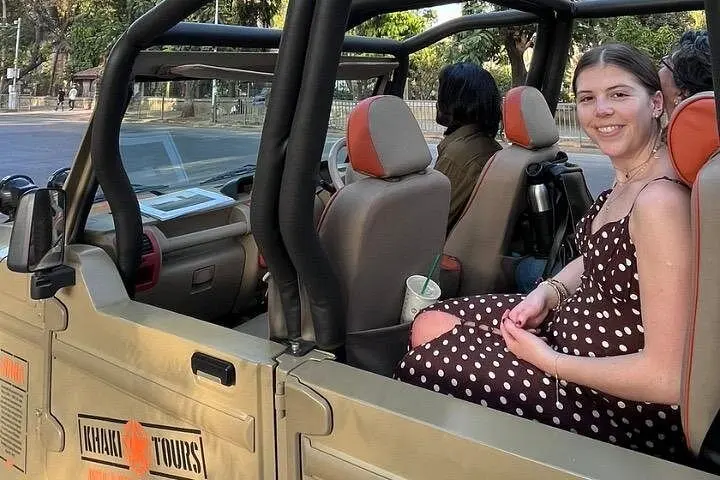
Each open jeep accommodates up to five guests plus the driver and host.
Yes—it's classified as easy and involves minimal walking; notify the operator of special requirements when booking.
The operator may reschedule or cancel in adverse weather; check the 24‑hour cancellation policy for refunds.
Yes—the 2.5‑hour itinerary includes frequent short stops for photography and a few brief disembarkings.
M/s Khaki Tours operates guided outdoor trips and adventures with an emphasis on safety, stewardship, and memorable experiences.
The open jeep rolls out from a narrow street, wind cutting through khaki and cotton as colonial facades slide by like pages of the city’s ledger. Salt-scented air from the harbour brushes faces near the Gateway of India; inside the Fort precinct, Victorian stone and Gothic arches demand a slower look.
The open jeep rolls out from a narrow street, wind cutting through khaki and cotton as colonial facades slide by like pages of the city’s ledger. Salt-scented air from the harbour brushes faces near the Gateway of India; inside the Fort precinct, Victorian stone and Gothic arches demand a slower look.
This route traces the original seven islands of Bombay and the layered history of trade, empire and civic life. CSMT (Chhatrapati Shivaji Maharaj Terminus) stands as a 19th-century railway cathedral and UNESCO landmark; Ballard Estate and Horniman Circle show early-planned commercial grids. Geologically, Mumbai sits on Deccan basalt with extensive reclaimed flats—Colaba’s waterfront was extended to meet ships and commerce.
Culture here is public: vendors at Crawford Market, soapstone washers at Dhobi Talao, and the contemporary art pulse of Kala Ghoda. Local heritage groups have campaigned to restore plaques and lanes; the jeep lets you see architectural details you’d miss from a closed car.
Practically, expect a 2.5‑hour, 13 km loop at slow urban pace — frequent stops for photos and short walks. The ride is suitable for almost any fitness level but brings sun protection, comfortable footwear for short dismounts, and a secure camera strap; noise and traffic mean ears and cameras should be held tight. Arrive 10 minutes early, be ready to show your ticket on mobile, and note organizers may reschedule in heavy monsoon rains. Respect local rules: no smoking or drinking onboard, and follow your host’s guidance near busy intersections.
This is a cinematic, grounded way to meet Mumbai’s streets: loud, layered and insistently alive.