THE ADVENTURE COLLECTIVE® · Independent discovery and booking for outdoor travel

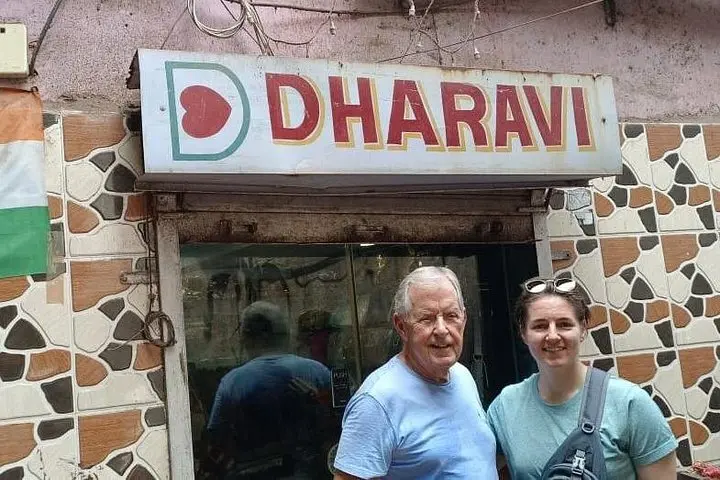
Walk from the Gateway of India through colonial Fort and Malabar Hill to the vibrant lanes of Dharavi on a full-day guided tour that pairs architecture and street-level industry. Expect a mix of paved streets and narrow alleys, local stories, and practical tips for respectful photography and travel.
Walk from the Gateway of India through colonial Fort and Malabar Hill to the vibrant lanes of Dharavi on a full-day guided tour that pairs architecture and street-level industry. Expect a mix of paved streets and narrow alleys, local stories, and practical tips for respectful photography and travel.
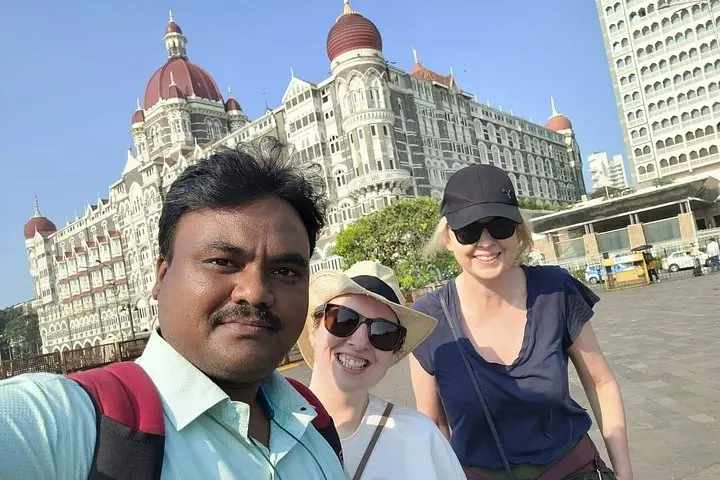
Morning light hits the Gateway of India and the Arabian Sea pushes a salt breeze through the plaza — the city wakes in a push and pull of history and industry. The Mumbai Slum & City Tour threads that rhythm: marble arches and Art Deco facades give way to terraced gardens, open-air laundries, and the tight, productive lanes of Dharavi.
Verified experiences and guided adventures in the surrounding area.
Operated by Agora Voyages Pvt. Ltd. · Mumbai, Maharashtra
Morning light hits the Gateway of India and the Arabian Sea pushes a salt breeze through the plaza — the city wakes in a push and pull of history and industry. The Mumbai Slum & City Tour threads that rhythm: marble arches and Art Deco facades give way to terraced gardens, open-air laundries, and the tight, productive lanes of Dharavi.
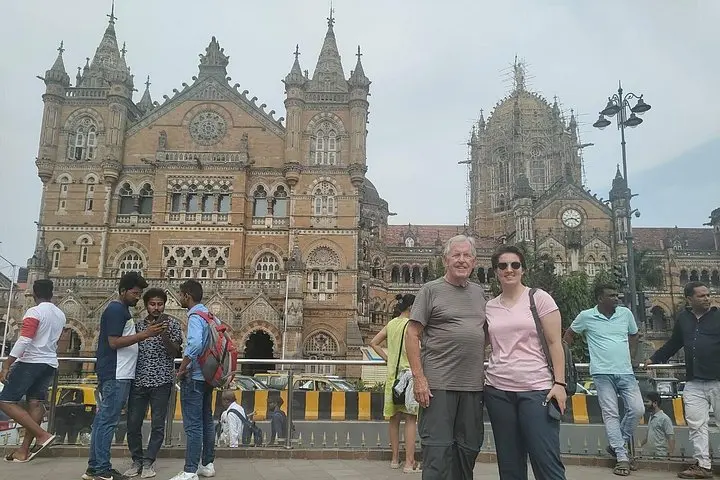
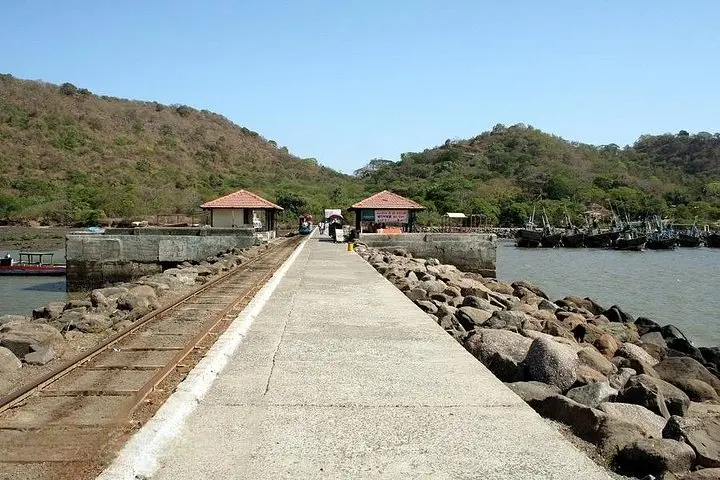
The route sketches Mumbai’s layered past. The Gateway, built after the 1911 royal visit, marks the colonial port; Malabar Hill perches on ancient basalt of the Deccan Traps that formed this coastline; Mani Bhawan and the Prince of Wales Museum chart political and cultural shifts. Dharavi, with its small-scale leather, pottery and recycling workshops, speaks to urban migration and informal economies that have reshaped the city since the 19th century.
Culture here is tactile: dhobis scrubbing cloths in concrete pens, families running micro-enterprises, and curators preserving artifacts in a colonial-era museum. Local guides translate the everyday innovations — how space is economized, how materials circulate — into clear narratives that challenge simple impressions.
Practical guidance: expect an 8-hour day with moderate walking on pavements and narrow alleys; wear closed shoes, bring a hat, and carry a refillable water bottle. Photography in Dharavi requires permission; follow your guide’s cues and respect private spaces. Lunch is typically in a local restaurant; vegetarian options are widely available. Note Mumbai’s monsoon (June–September) can make alleys slippery — plan waterproof gear then. The tour ends with a drop-off at your hotel, leaving time to process a city that constantly reconfigures itself between sea and stone.
Yes—visits are conducted with local guides who know the lanes and customs; follow guide instructions and avoid photographing without permission.
Lunch is offered if selected at booking; otherwise the itinerary includes a scheduled lunch break at a local restaurant with vegetarian options available.
Stroller access is possible in some areas, but narrow lanes and steps in Dharavi limit full wheelchair accessibility—contact the operator for specific arrangements.
English-speaking local guides are provided; other language options may be available on request—confirm at booking.
Agora Voyages Pvt. Ltd. operates guided outdoor trips and adventures with an emphasis on safety, stewardship, and memorable experiences.
Morning light hits the Gateway of India and the Arabian Sea pushes a salt breeze through the plaza — the city wakes in a push and pull of history and industry. The Mumbai Slum & City Tour threads that rhythm: marble arches and Art Deco facades give way to terraced gardens, open-air laundries, and the tight, productive lanes of Dharavi.
Morning light hits the Gateway of India and the Arabian Sea pushes a salt breeze through the plaza — the city wakes in a push and pull of history and industry. The Mumbai Slum & City Tour threads that rhythm: marble arches and Art Deco facades give way to terraced gardens, open-air laundries, and the tight, productive lanes of Dharavi.
The route sketches Mumbai’s layered past. The Gateway, built after the 1911 royal visit, marks the colonial port; Malabar Hill perches on ancient basalt of the Deccan Traps that formed this coastline; Mani Bhawan and the Prince of Wales Museum chart political and cultural shifts. Dharavi, with its small-scale leather, pottery and recycling workshops, speaks to urban migration and informal economies that have reshaped the city since the 19th century.
Culture here is tactile: dhobis scrubbing cloths in concrete pens, families running micro-enterprises, and curators preserving artifacts in a colonial-era museum. Local guides translate the everyday innovations — how space is economized, how materials circulate — into clear narratives that challenge simple impressions.
Practical guidance: expect an 8-hour day with moderate walking on pavements and narrow alleys; wear closed shoes, bring a hat, and carry a refillable water bottle. Photography in Dharavi requires permission; follow your guide’s cues and respect private spaces. Lunch is typically in a local restaurant; vegetarian options are widely available. Note Mumbai’s monsoon (June–September) can make alleys slippery — plan waterproof gear then. The tour ends with a drop-off at your hotel, leaving time to process a city that constantly reconfigures itself between sea and stone.