THE ADVENTURE COLLECTIVE® · Independent discovery and booking for outdoor travel

Experience the Taj Mahal twice in one short trip: sunrise for soft, photographic light and sunset for warm riverside views. This overnight tour from Mumbai combines guided visits to the Taj, Itmad-ud-Daulah, and Agra Fort with hotel transfer and local insights.
Experience the Taj Mahal twice in one short trip: sunrise for soft, photographic light and sunset for warm riverside views. This overnight tour from Mumbai combines guided visits to the Taj, Itmad-ud-Daulah, and Agra Fort with hotel transfer and local insights.
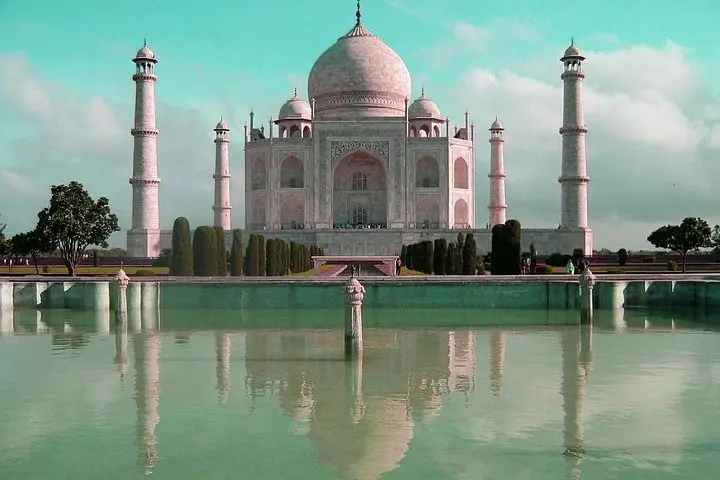
You step out before dawn, the Yamuna river calling the light forward as mist lifts off its surface and the Taj Mahal holds its first fragile glow. This overnight itinerary stages two distinct encounters: a sunrise visit when shadows thin and a sunset approach across the river when the mausoleum warms to gold.
Verified experiences and guided adventures in the surrounding area.
Operated by Agra Tour Guide · Agra, Uttar Pradesh
You step out before dawn, the Yamuna river calling the light forward as mist lifts off its surface and the Taj Mahal holds its first fragile glow. This overnight itinerary stages two distinct encounters: a sunrise visit when shadows thin and a sunset approach across the river when the mausoleum warms to gold.
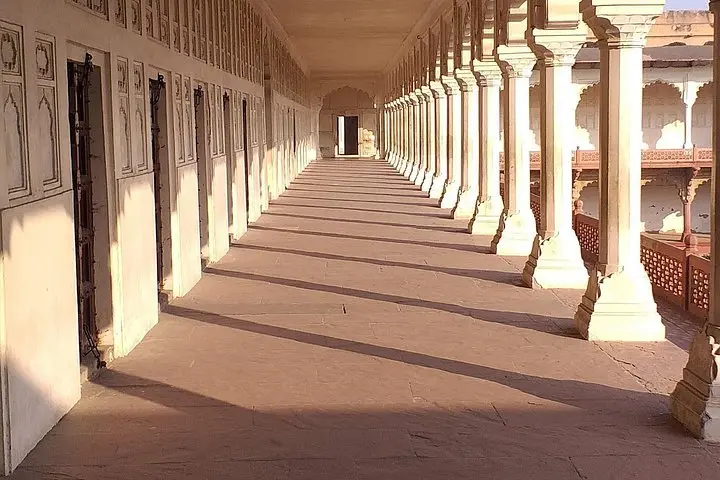
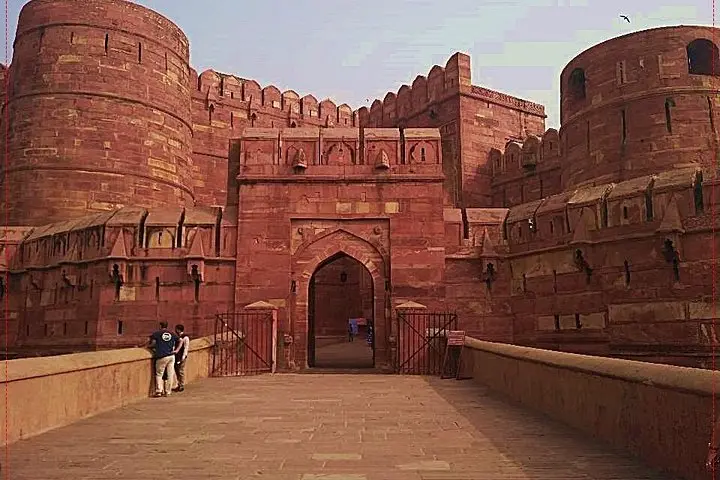
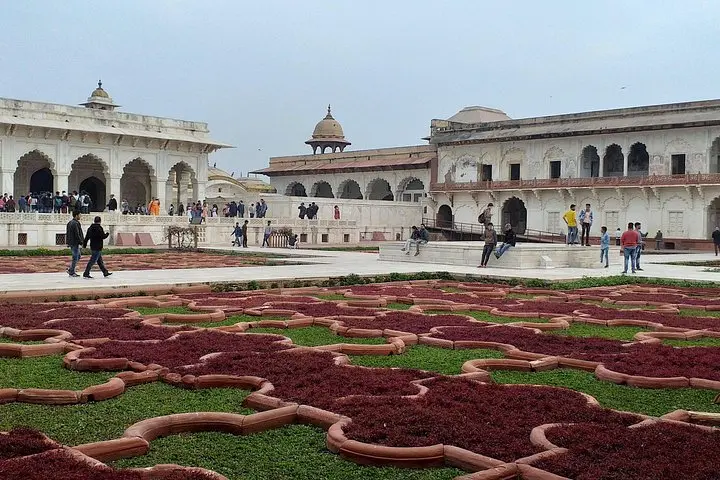
Agra’s monuments are lessons in layered history — the white-marble romance of the Taj (commissioned by Shah Jahan in the 17th century), the delicate pietra dura of Itmad-ud-Daulah (built 1622–1628), and the red-sandstone palaces of Agra Fort reshaped by Akbar and Shah Jahan. Geologically, the flat Indo-Gangetic plain frames low, river-cut banks along the Yamuna; walking is mostly level but expect steps and verandas in historic buildings.
Culturally, the city hums with marble inlay workshops, hand-knotted carpets, and bazaars where craftsmen still practice Mughal-era techniques. The tour typically moves by AC car after a short flight to Delhi, a roughly 200 km drive to Agra, and includes pick-up, a local guide, monument fees, and hotel overnight options.
Practical notes: schedule sunrise tightly — security checks and gates mean early arrival is essential. Carry ID or passport for entry, modest clothing for monument protocol, comfortable shoes for paved and uneven surfaces, and a refillable water bottle to beat the heat. Expect guided visits to Itmad-ud-Daulah and Agra Fort between the two Taj viewings, with short market stops for marble demonstrations. For photographers and travellers who prefer rhythm over rush, this overnight format compresses Agra’s highlights into two strategic light windows — sunrise and sunset — while leaving midday for rest and local exploration.
This tour includes monument entry fees for scheduled visits such as the Taj Mahal, Itmad-ud-Daulah, and Agra Fort as noted in the itinerary.
Pick-up and drop-off in Mumbai and the AC car transfers in the itinerary are provided; return flights are an optional add-on if selected.
October through March generally offers cooler temperatures and clearer skies for sunrise photography; winter mornings can be foggy some years, which affects visibility.
The tour notes wheelchair-accessible options; however, some monument areas have steps and limited access — check specifics with the operator before booking.
Agra Tour Guide operates guided outdoor trips and adventures with an emphasis on safety, stewardship, and memorable experiences.
You step out before dawn, the Yamuna river calling the light forward as mist lifts off its surface and the Taj Mahal holds its first fragile glow. This overnight itinerary stages two distinct encounters: a sunrise visit when shadows thin and a sunset approach across the river when the mausoleum warms to gold.
You step out before dawn, the Yamuna river calling the light forward as mist lifts off its surface and the Taj Mahal holds its first fragile glow. This overnight itinerary stages two distinct encounters: a sunrise visit when shadows thin and a sunset approach across the river when the mausoleum warms to gold.
Agra’s monuments are lessons in layered history — the white-marble romance of the Taj (commissioned by Shah Jahan in the 17th century), the delicate pietra dura of Itmad-ud-Daulah (built 1622–1628), and the red-sandstone palaces of Agra Fort reshaped by Akbar and Shah Jahan. Geologically, the flat Indo-Gangetic plain frames low, river-cut banks along the Yamuna; walking is mostly level but expect steps and verandas in historic buildings.
Culturally, the city hums with marble inlay workshops, hand-knotted carpets, and bazaars where craftsmen still practice Mughal-era techniques. The tour typically moves by AC car after a short flight to Delhi, a roughly 200 km drive to Agra, and includes pick-up, a local guide, monument fees, and hotel overnight options.
Practical notes: schedule sunrise tightly — security checks and gates mean early arrival is essential. Carry ID or passport for entry, modest clothing for monument protocol, comfortable shoes for paved and uneven surfaces, and a refillable water bottle to beat the heat. Expect guided visits to Itmad-ud-Daulah and Agra Fort between the two Taj viewings, with short market stops for marble demonstrations. For photographers and travellers who prefer rhythm over rush, this overnight format compresses Agra’s highlights into two strategic light windows — sunrise and sunset — while leaving midday for rest and local exploration.