THE ADVENTURE COLLECTIVE® · Independent discovery and booking for outdoor travel

Drive from Mumbai to Bhopal on a 12-day private tour that stitches together rock-cut caves, Jyotirlinga temples and Mughal monuments. Expect long driving days, guided visits at UNESCO sites, and a route rich with history and layered geology.
Drive from Mumbai to Bhopal on a 12-day private tour that stitches together rock-cut caves, Jyotirlinga temples and Mughal monuments. Expect long driving days, guided visits at UNESCO sites, and a route rich with history and layered geology.
You step off the car and the air changes: humid and salty in Mumbai, then dry and cedar-scented on the Deccan plateau hours later. This is a road trip governed by stone—rock-cut temples hulking out of cliff faces, marble domes reflecting midday heat, and fort walls that have watched empires move like weather across the land. Over 12 days you'll travel roughly 1,400 km by private AC vehicle, moving from the colonial streets of Bombay through vineyard-dotted Nashik, the caves of Ajanta and Ellora, Mughal-era Burhanpur, and finally the stupa-dotted plains around Bhopal.
Verified experiences and guided adventures in the surrounding area.
Operated by Agora Voyages Pvt. Ltd. · Bhopal, Madhya Pradesh
You step off the car and the air changes: humid and salty in Mumbai, then dry and cedar-scented on the Deccan plateau hours later. This is a road trip governed by stone—rock-cut temples hulking out of cliff faces, marble domes reflecting midday heat, and fort walls that have watched empires move like weather across the land. Over 12 days you'll travel roughly 1,400 km by private AC vehicle, moving from the colonial streets of Bombay through vineyard-dotted Nashik, the caves of Ajanta and Ellora, Mughal-era Burhanpur, and finally the stupa-dotted plains around Bhopal.
History here is tactile. The Ajanta and Ellora caves date from as early as the 2nd century BCE to the 10th century CE, carved by hand into basalt flows and sheltering murals and iconography from Buddhist, Hindu and Jain traditions. Mughal influence appears in Burhanpur’s palaces and in the delicate marble of Bibi ka Maqbara, while Maratha patronage is visible in temples rebuilt by Ahilyabai Holkar. Geology dictates the route: the Deccan Traps’ layered basalt allowed craftsmen to cut complete monasteries and temples out of single faces of rock, and river systems like the Godavari and Narmada shape both pilgrimage routes and local livelihoods.
Culture is immediate and public—pilgrims circling lingams at Mahakaleshwar, boatmen navigating the Upper Lake in Bhopal, and evening markets where spice smoke and tea steam mark the end of a long day. Local guides included on sightseeing days bring those stories to life: why a particular relief was carved, how a fort’s double walls stopped invaders, who patronized a temple, and where a 19th-century discovery opened Ajanta to the world.
Practical guidance: travel is by private AC car with most monument entrances included; expect full days on foot—stair climbs at Elephanta and long walking loops at Ajanta/Ellora. Footwear with good grip, a wide-brim hat and reusable water bottle are essentials. Temperatures are best between October and March; monsoon months (June–September) make some paths slippery and could close sites. Carry modest clothing for temples (shoulders and knees covered), small change for donations and tuck a power bank in your daypack—the caves and forts have limited charging options.
Pacing is deliberate: plan early starts for cooler site visits, leave camera gear accessible for frescoes and stupa silhouettes at sunrise, and allow unstructured time in cities like Aurangabad and Indore for street food and small museums. This is a tour of stone and ritual, long distances and intimate surprises—the kind of trip where a single carved face in a cave can shift how you think about time in the subcontinent.
Yes—private AC car/van transfers are included for the full itinerary as described.
Monument entrances mentioned in the itinerary are included; check local notices for any special conservation fees.
The itinerary is designed to start in Mumbai, but discuss custom pickup and drop-off with the supplier—private tours allow some flexibility.
English-speaking tour guide support is provided on sightseeing days, with local guides at many monuments as required.
Yes—logistics are accessible to most fitness levels, but be aware of many steps at caves and temples; infant seats are available.
October through March offers the most comfortable temperatures and clearer travel conditions.
Agora Voyages Pvt. Ltd. operates guided outdoor trips and adventures with an emphasis on safety, stewardship, and memorable experiences.
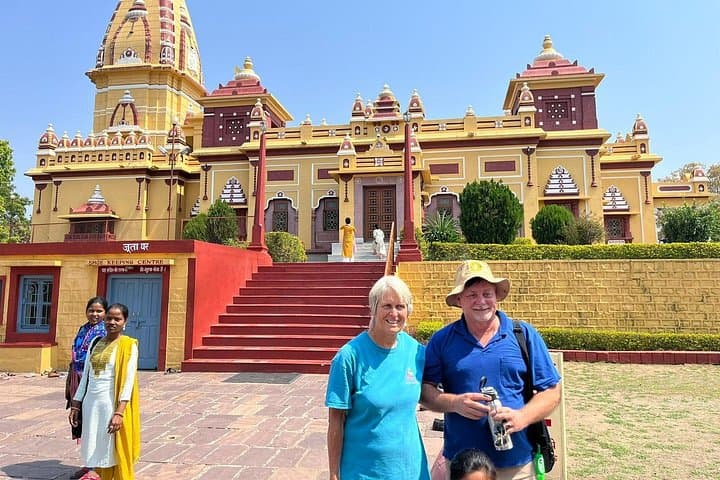
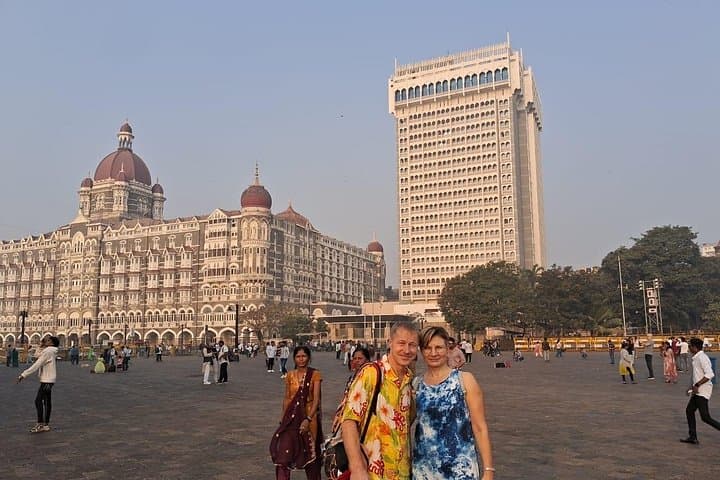
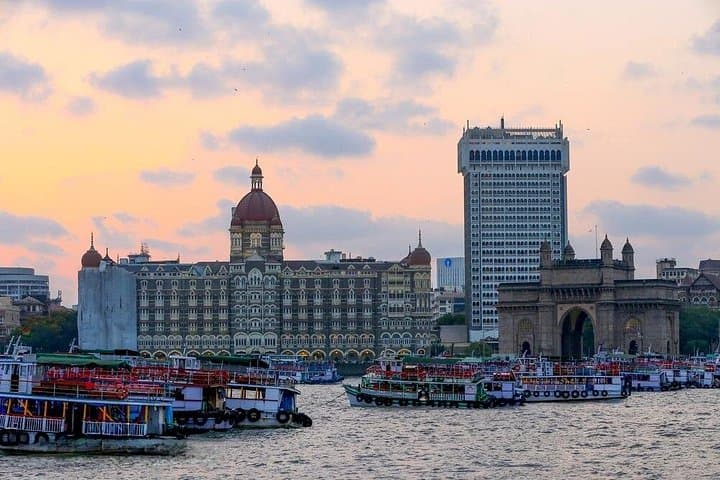
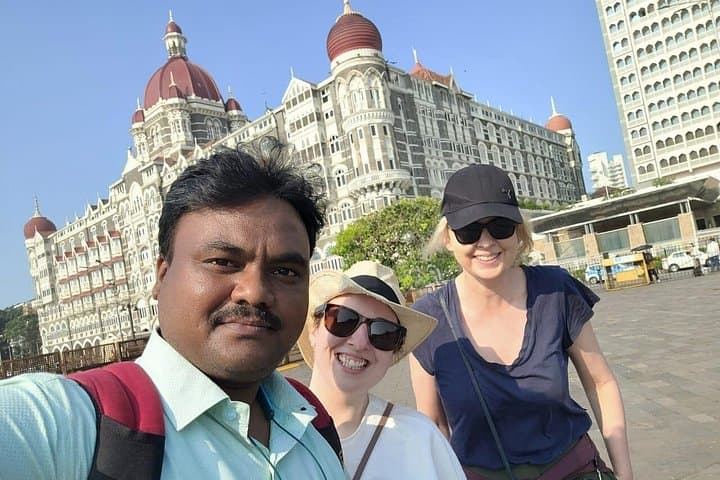
You step off the car and the air changes: humid and salty in Mumbai, then dry and cedar-scented on the Deccan plateau hours later. This is a road trip governed by stone—rock-cut temples hulking out of cliff faces, marble domes reflecting midday heat, and fort walls that have watched empires move like weather across the land. Over 12 days you'll travel roughly 1,400 km by private AC vehicle, moving from the colonial streets of Bombay through vineyard-dotted Nashik, the caves of Ajanta and Ellora, Mughal-era Burhanpur, and finally the stupa-dotted plains around Bhopal.
You step off the car and the air changes: humid and salty in Mumbai, then dry and cedar-scented on the Deccan plateau hours later. This is a road trip governed by stone—rock-cut temples hulking out of cliff faces, marble domes reflecting midday heat, and fort walls that have watched empires move like weather across the land. Over 12 days you'll travel roughly 1,400 km by private AC vehicle, moving from the colonial streets of Bombay through vineyard-dotted Nashik, the caves of Ajanta and Ellora, Mughal-era Burhanpur, and finally the stupa-dotted plains around Bhopal.
History here is tactile. The Ajanta and Ellora caves date from as early as the 2nd century BCE to the 10th century CE, carved by hand into basalt flows and sheltering murals and iconography from Buddhist, Hindu and Jain traditions. Mughal influence appears in Burhanpur’s palaces and in the delicate marble of Bibi ka Maqbara, while Maratha patronage is visible in temples rebuilt by Ahilyabai Holkar. Geology dictates the route: the Deccan Traps’ layered basalt allowed craftsmen to cut complete monasteries and temples out of single faces of rock, and river systems like the Godavari and Narmada shape both pilgrimage routes and local livelihoods.
Culture is immediate and public—pilgrims circling lingams at Mahakaleshwar, boatmen navigating the Upper Lake in Bhopal, and evening markets where spice smoke and tea steam mark the end of a long day. Local guides included on sightseeing days bring those stories to life: why a particular relief was carved, how a fort’s double walls stopped invaders, who patronized a temple, and where a 19th-century discovery opened Ajanta to the world.
Practical guidance: travel is by private AC car with most monument entrances included; expect full days on foot—stair climbs at Elephanta and long walking loops at Ajanta/Ellora. Footwear with good grip, a wide-brim hat and reusable water bottle are essentials. Temperatures are best between October and March; monsoon months (June–September) make some paths slippery and could close sites. Carry modest clothing for temples (shoulders and knees covered), small change for donations and tuck a power bank in your daypack—the caves and forts have limited charging options.
Pacing is deliberate: plan early starts for cooler site visits, leave camera gear accessible for frescoes and stupa silhouettes at sunrise, and allow unstructured time in cities like Aurangabad and Indore for street food and small museums. This is a tour of stone and ritual, long distances and intimate surprises—the kind of trip where a single carved face in a cave can shift how you think about time in the subcontinent.