THE ADVENTURE COLLECTIVE® · Independent discovery and booking for outdoor travel

Linking Mumbai’s urban energy with the ancient ruins of Hampi and the cliff temples of Badami, this seven-day tour pairs guided city highlights with immersive UNESCO heritage sites. Expect long drives, cooling river rides, and close-up encounters with India’s medieval architecture.
Linking Mumbai’s urban energy with the ancient ruins of Hampi and the cliff temples of Badami, this seven-day tour pairs guided city highlights with immersive UNESCO heritage sites. Expect long drives, cooling river rides, and close-up encounters with India’s medieval architecture.
You step off the plane in Mumbai into a humid breath of sea air and city noise; by the fourth day the landscape changes to sun-baked boulders, temple domes and the slow curve of the Tungabhadra River. This seven-day loop threads modern Mumbai’s colonial arcades and street life with the ruined grandeur of the Vijayanagara Empire in Hampi and the cliff-cut sanctuaries of Badami.
Verified experiences and guided adventures in the surrounding area.
Operated by Agora Voyages Pvt. Ltd. · Hampi, Karnataka
You step off the plane in Mumbai into a humid breath of sea air and city noise; by the fourth day the landscape changes to sun-baked boulders, temple domes and the slow curve of the Tungabhadra River. This seven-day loop threads modern Mumbai’s colonial arcades and street life with the ruined grandeur of the Vijayanagara Empire in Hampi and the cliff-cut sanctuaries of Badami.
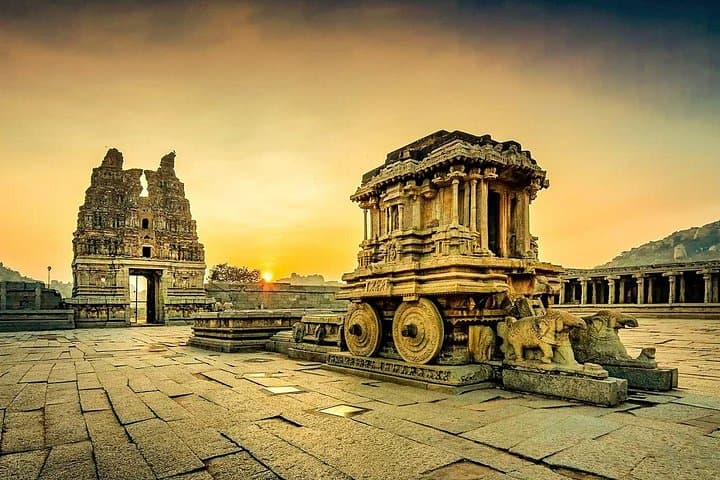
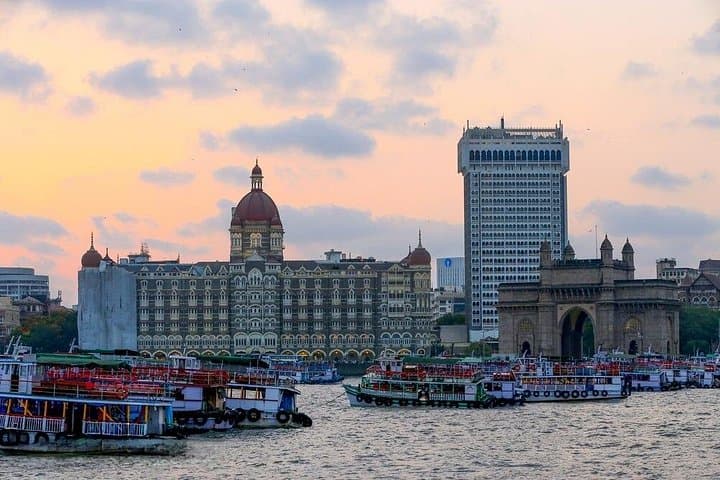
Mumbai sets the pace: Gateway of India, Marine Drive at dusk and the energetic markets around Colaba give context to India’s colonial and commercial history. A short flight to Hubli and a three-hour drive brings you into Hampi’s lunar-like skyline—giant granite outcrops peppered with the Royal Enclosure, Vittala’s stone chariot and the towering gopuram of Virupaksha. Hemakuta Hill offers sunset panoramas; the Tungabhadra River interrupts the ruins with palms and a quiet boat glide.
Badami, another three hours away, shifts the story to red sandstone caves carved with intricate reliefs and an imposing hill fort. Nearby Aihole and Pattadakal expand the timeline—early medieval temple experiments that predate Vijayanagara aesthetics.
Practicalities: the route is best October–February for cooler temps; expect dusty walking over uneven stone, short hikes up temple hills, and strong daytime sun. Carry plenty of water, wear closed-toe shoes with grip, and bring clothing that covers shoulders and knees for temple entry. The tour uses private AC transfers and local English-speaking guides; plan for early starts at archaeological sites to avoid crowds and midday heat.
Most foreign nationals require a valid Indian visa before arrival—check India’s e-Visa options and apply well in advance.
Expect several short hikes and many uneven steps; plan for moderate walking (2–4 miles daily) and bring comfortable footwear.
The itinerary notes monument entrances and specified activity charges are included; confirm any optional extras with the operator.
October–February offers the most pleasant weather for sightseeing; monsoon months can hamper road travel and outdoor activities.
Agora Voyages Pvt. Ltd. operates guided outdoor trips and adventures with an emphasis on safety, stewardship, and memorable experiences.


You step off the plane in Mumbai into a humid breath of sea air and city noise; by the fourth day the landscape changes to sun-baked boulders, temple domes and the slow curve of the Tungabhadra River. This seven-day loop threads modern Mumbai’s colonial arcades and street life with the ruined grandeur of the Vijayanagara Empire in Hampi and the cliff-cut sanctuaries of Badami.
You step off the plane in Mumbai into a humid breath of sea air and city noise; by the fourth day the landscape changes to sun-baked boulders, temple domes and the slow curve of the Tungabhadra River. This seven-day loop threads modern Mumbai’s colonial arcades and street life with the ruined grandeur of the Vijayanagara Empire in Hampi and the cliff-cut sanctuaries of Badami.
Mumbai sets the pace: Gateway of India, Marine Drive at dusk and the energetic markets around Colaba give context to India’s colonial and commercial history. A short flight to Hubli and a three-hour drive brings you into Hampi’s lunar-like skyline—giant granite outcrops peppered with the Royal Enclosure, Vittala’s stone chariot and the towering gopuram of Virupaksha. Hemakuta Hill offers sunset panoramas; the Tungabhadra River interrupts the ruins with palms and a quiet boat glide.
Badami, another three hours away, shifts the story to red sandstone caves carved with intricate reliefs and an imposing hill fort. Nearby Aihole and Pattadakal expand the timeline—early medieval temple experiments that predate Vijayanagara aesthetics.
Practicalities: the route is best October–February for cooler temps; expect dusty walking over uneven stone, short hikes up temple hills, and strong daytime sun. Carry plenty of water, wear closed-toe shoes with grip, and bring clothing that covers shoulders and knees for temple entry. The tour uses private AC transfers and local English-speaking guides; plan for early starts at archaeological sites to avoid crowds and midday heat.