THE ADVENTURE COLLECTIVE® · Independent discovery and booking for outdoor travel

Take a half‑day off‑road jeep safari through tea gardens and spice lanes in Munnar, climb to the Letchmi Hills viewpoint for a wide valley panorama, and finish with a forest waterfall stop (seasonal). Ideal for travelers who want a compact mix of bumpy adventure, short trekking, and local nature.
Take a half‑day off‑road jeep safari through tea gardens and spice lanes in Munnar, climb to the Letchmi Hills viewpoint for a wide valley panorama, and finish with a forest waterfall stop (seasonal). Ideal for travelers who want a compact mix of bumpy adventure, short trekking, and local nature.
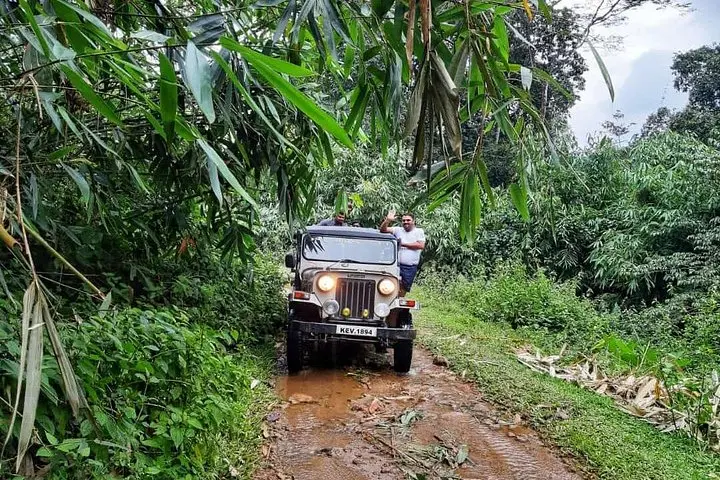
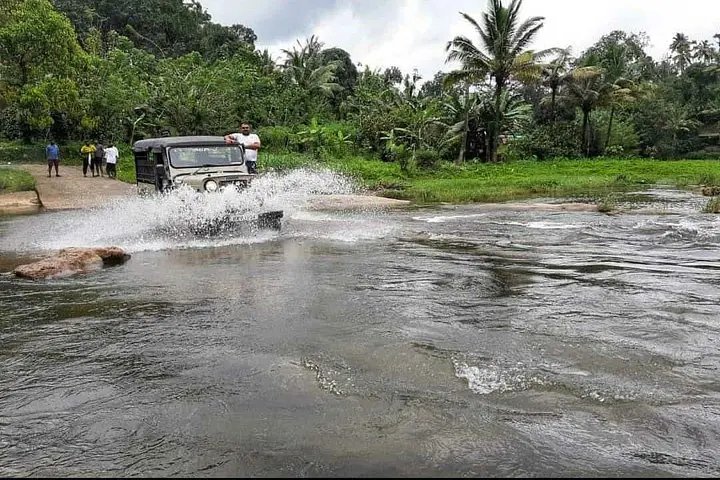
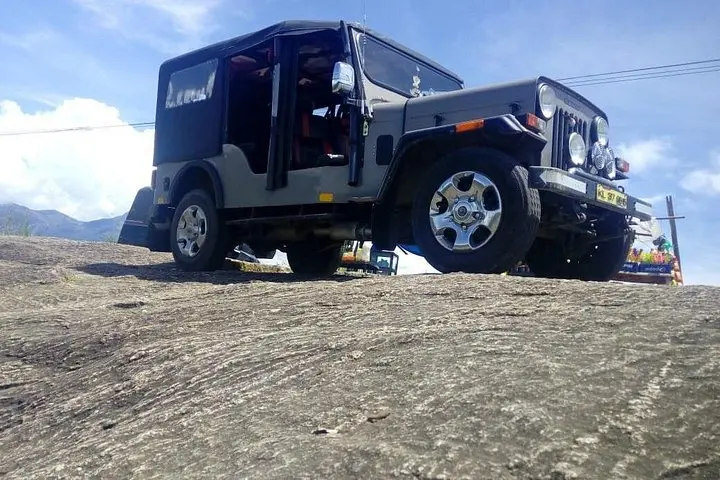
Morning mist lifts off the tea slopes as the jeep crunches along a dirt track, engine coughing between spice gardens and green terraces. You crest a ridge and the valley opens—tea rows cut like ribs into the slope, a 65‑kilometre sweep of peaks and hollows visible on a clear day. The ride slides from quiet plantation roads into forested off‑track where the vehicle climbs steep, rutted trails toward Letchmi Hills and the so‑called Seven Hills.
Verified experiences and guided adventures in the surrounding area.
Operated by Munnar Jeep Safarie · Munnar, Kerala
Morning mist lifts off the tea slopes as the jeep crunches along a dirt track, engine coughing between spice gardens and green terraces. You crest a ridge and the valley opens—tea rows cut like ribs into the slope, a 65‑kilometre sweep of peaks and hollows visible on a clear day. The ride slides from quiet plantation roads into forested off‑track where the vehicle climbs steep, rutted trails toward Letchmi Hills and the so‑called Seven Hills.
This landscape is shaped by ancient Western Ghats geology: rounded, lateritic slopes overlying Precambrian rock, with pockets of native shola forest that feed small streams and waterfalls. Tea arrived here under British planters in the late 19th century; many estates and local communities still carry those layers of history in Tamil and Malayalam labour traditions and roadside spice stalls.
Expect a mix of bumpy jeep travel, short guided scrambles (to ~2,450 m elevation on the viewpoint trek), and a forest waterfall stop when seasonal flows allow. Nature here is assertive—the forest will seize your attention and the monsoon can change plans quickly.
Practical notes: bring closed‑toe hiking shoes, a waterproof layer, and at least 1–2 litres of water; the trek sections are short but slippery after rain. Start early for cooler air and clearer views, and keep ID for forest permissions. Respect local guides and the estate rules: stay on marked paths, avoid feeding wildlife, and carry out any trash. The combination of off‑road access, high viewpoints, and a waterfall rinse makes this a hands‑on way to experience Munnar beyond the tea estate postcard.
The tour runs about 4–5 hours including transfers, viewpoint time, and a waterfall stop when accessible.
No — the Viripara waterfall visit is seasonal and depends on water levels and safety; operators may substitute other viewpoints in dry months.
No — the driver handles all off‑road sections; passengers should be prepared for bumpy travel and be able to climb short, uneven trails.
Unlikely — the viewpoint sits around 2,450 m but the exposure is short; those sensitive to elevation should move slowly and hydrate.
Munnar Jeep Safarie operates guided outdoor trips and adventures with an emphasis on safety, stewardship, and memorable experiences.
Morning mist lifts off the tea slopes as the jeep crunches along a dirt track, engine coughing between spice gardens and green terraces. You crest a ridge and the valley opens—tea rows cut like ribs into the slope, a 65‑kilometre sweep of peaks and hollows visible on a clear day. The ride slides from quiet plantation roads into forested off‑track where the vehicle climbs steep, rutted trails toward Letchmi Hills and the so‑called Seven Hills.
Morning mist lifts off the tea slopes as the jeep crunches along a dirt track, engine coughing between spice gardens and green terraces. You crest a ridge and the valley opens—tea rows cut like ribs into the slope, a 65‑kilometre sweep of peaks and hollows visible on a clear day. The ride slides from quiet plantation roads into forested off‑track where the vehicle climbs steep, rutted trails toward Letchmi Hills and the so‑called Seven Hills.
This landscape is shaped by ancient Western Ghats geology: rounded, lateritic slopes overlying Precambrian rock, with pockets of native shola forest that feed small streams and waterfalls. Tea arrived here under British planters in the late 19th century; many estates and local communities still carry those layers of history in Tamil and Malayalam labour traditions and roadside spice stalls.
Expect a mix of bumpy jeep travel, short guided scrambles (to ~2,450 m elevation on the viewpoint trek), and a forest waterfall stop when seasonal flows allow. Nature here is assertive—the forest will seize your attention and the monsoon can change plans quickly.
Practical notes: bring closed‑toe hiking shoes, a waterproof layer, and at least 1–2 litres of water; the trek sections are short but slippery after rain. Start early for cooler air and clearer views, and keep ID for forest permissions. Respect local guides and the estate rules: stay on marked paths, avoid feeding wildlife, and carry out any trash. The combination of off‑road access, high viewpoints, and a waterfall rinse makes this a hands‑on way to experience Munnar beyond the tea estate postcard.