THE ADVENTURE COLLECTIVE® · Independent discovery and booking for outdoor travel

Walk descending terraces, meet Black Hmong hosts, and sleep in a family homestay on this two-day Muong Hoa Valley trek. Expect river crossings, bamboo forests, waterfalls and hands-on cultural exchange.
Walk descending terraces, meet Black Hmong hosts, and sleep in a family homestay on this two-day Muong Hoa Valley trek. Expect river crossings, bamboo forests, waterfalls and hands-on cultural exchange.
Mist lifts off the rice terraces as you step down from Sapa’s narrow streets, the Muong Hoa River daring you toward the valley floor. Thin stone paths thread between flooded paddies; terraces fall away in neat ledges, and the Dragon Mountain range broods on the horizon. A local Black Hmong guide sets the pace, reading trails the way a farmer reads weather.
Verified experiences and guided adventures in the surrounding area.
Operated by Dragon Mountain Family · Sapa, Lao Cai Province
Mist lifts off the rice terraces as you step down from Sapa’s narrow streets, the Muong Hoa River daring you toward the valley floor. Thin stone paths thread between flooded paddies; terraces fall away in neat ledges, and the Dragon Mountain range broods on the horizon. A local Black Hmong guide sets the pace, reading trails the way a farmer reads weather.
This two-day route follows ancient agricultural contours shaped over centuries by Hmong and Red Dao communities. Geologically the valley sits on folded metamorphic slopes that channel streams into a braided river system; culturally, villages here still weave hemp and dye textiles by hand. Bamboo clumps and limestone outcrops punctuate the walk, while secondary forests cushion ascents to Ta Van and Giang Ta Chai falls.
Expect steady walking on uneven dirt and stone: river crossings, narrow bridges and sections of carved steps. Homestay accommodation in an Hmong family home offers direct cultural exchange—shared meals of rice, seasonal vegetables, and locally brewed rice wine. The second day’s bamboo forest and waterfall give options for a cool swim in summer or photography and birdwatching in cooler months.
Practical notes: carry layered rain protection, a full water supply, and cash for small purchases and handicrafts that support families. Plan for 6–8 hours of hiking across the tour, moderate elevation changes, and basic homestay comforts rather than hotel amenities. Start early to avoid midday heat and to catch the valley’s best light for terraces and mountain views.
No technical experience required, but you should be comfortable walking several hours on uneven terrain and short steep sections.
Homestays are family-run with simple rooms and shared facilities—expect authentic conditions rather than hotel standards.
Swimming is sometimes possible at Giang Ta Chai in good weather; follow your guide’s advice about currents and safety.
Meals listed in the itinerary (breakfast, lunch, dinner) and valley entrance are included; bring extra cash for souvenirs and drinks.
Dragon Mountain Family operates guided outdoor trips and adventures with an emphasis on safety, stewardship, and memorable experiences.
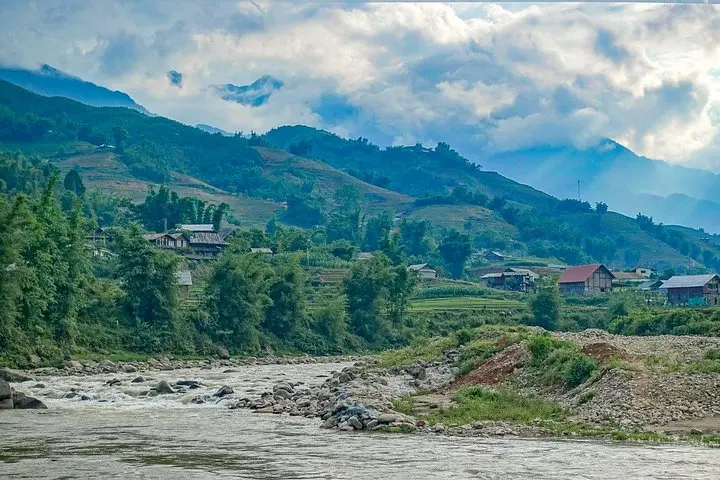
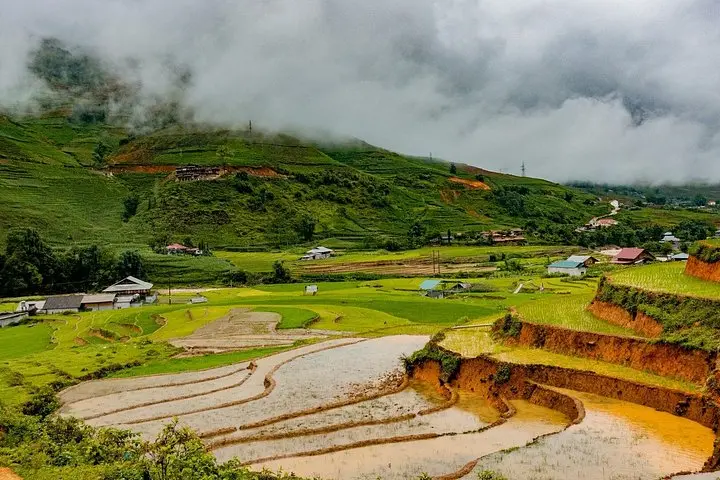
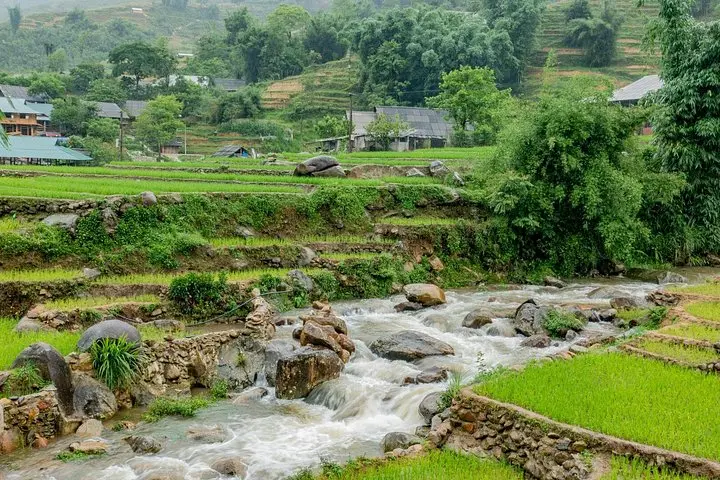
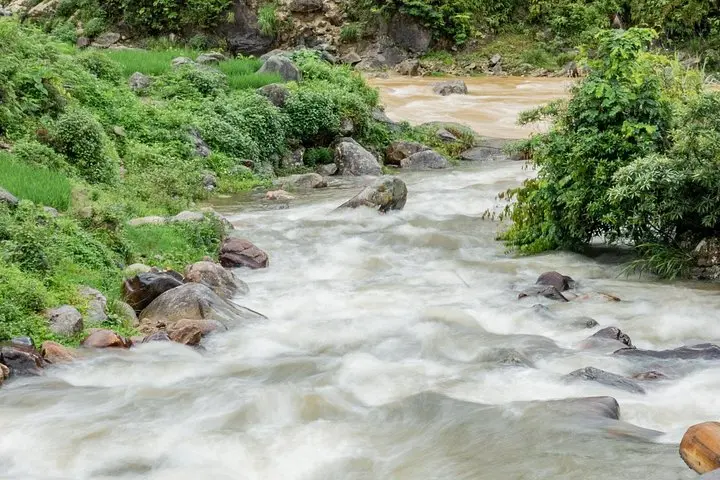
Mist lifts off the rice terraces as you step down from Sapa’s narrow streets, the Muong Hoa River daring you toward the valley floor. Thin stone paths thread between flooded paddies; terraces fall away in neat ledges, and the Dragon Mountain range broods on the horizon. A local Black Hmong guide sets the pace, reading trails the way a farmer reads weather.
Mist lifts off the rice terraces as you step down from Sapa’s narrow streets, the Muong Hoa River daring you toward the valley floor. Thin stone paths thread between flooded paddies; terraces fall away in neat ledges, and the Dragon Mountain range broods on the horizon. A local Black Hmong guide sets the pace, reading trails the way a farmer reads weather.
This two-day route follows ancient agricultural contours shaped over centuries by Hmong and Red Dao communities. Geologically the valley sits on folded metamorphic slopes that channel streams into a braided river system; culturally, villages here still weave hemp and dye textiles by hand. Bamboo clumps and limestone outcrops punctuate the walk, while secondary forests cushion ascents to Ta Van and Giang Ta Chai falls.
Expect steady walking on uneven dirt and stone: river crossings, narrow bridges and sections of carved steps. Homestay accommodation in an Hmong family home offers direct cultural exchange—shared meals of rice, seasonal vegetables, and locally brewed rice wine. The second day’s bamboo forest and waterfall give options for a cool swim in summer or photography and birdwatching in cooler months.
Practical notes: carry layered rain protection, a full water supply, and cash for small purchases and handicrafts that support families. Plan for 6–8 hours of hiking across the tour, moderate elevation changes, and basic homestay comforts rather than hotel amenities. Start early to avoid midday heat and to catch the valley’s best light for terraces and mountain views.