THE ADVENTURE COLLECTIVE® · Independent discovery and booking for outdoor travel

A 90‑minute guided visit to Murin‑an that pairs garden philosophy with matcha—learn how this early 20th‑century design uses flowing water and borrowed scenery to encourage quiet reflection. Ideal for travelers seeking a paced, interpretive experience in Kyoto’s Higashiyama foothills.
A 90‑minute guided visit to Murin‑an that pairs garden philosophy with matcha—learn how this early 20th‑century design uses flowing water and borrowed scenery to encourage quiet reflection. Ideal for travelers seeking a paced, interpretive experience in Kyoto’s Higashiyama foothills.
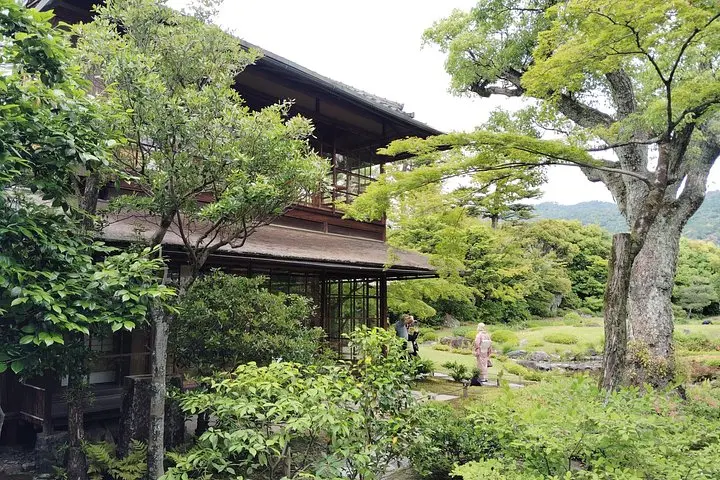
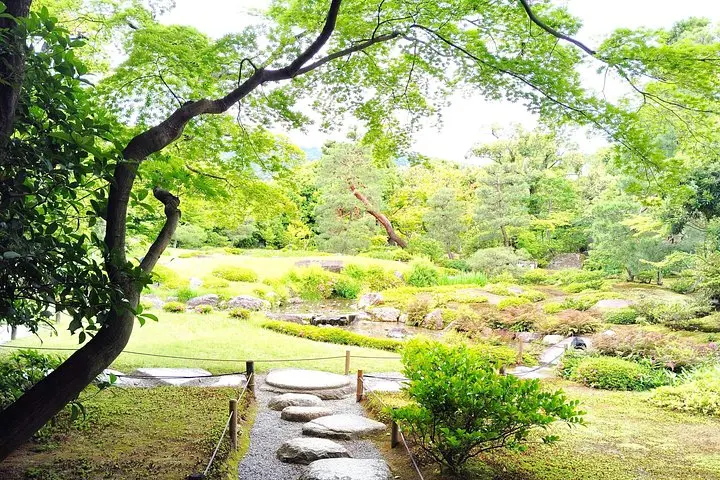
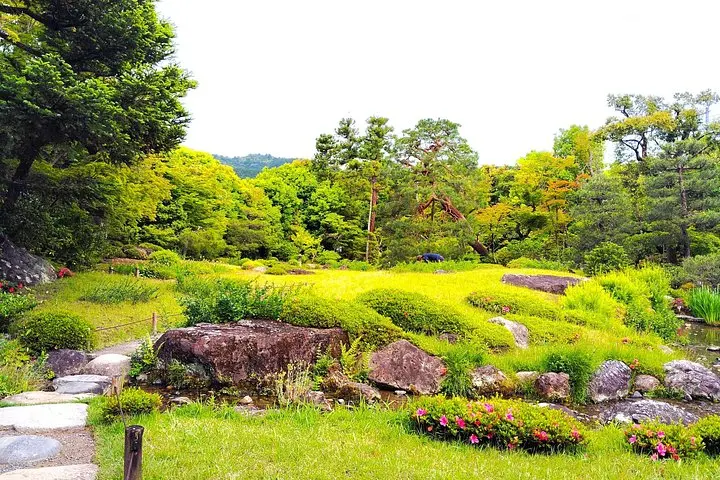
You step through a modest gate and the city noise falls away—stone steps, a low stream, the soft hush of moss underfoot. Murin-an unfolds not as a single tableau but as a sequence of moments: water pulling your view along a canal, a teahouse framing a clipped pine, light sliding across gravel. The guide’s voice keeps rhythm with the path, inviting you to slow and notice the garden’s movement.
Verified experiences and guided adventures in the surrounding area.
Operated by DeepExperience · Kyoto, Kyoto Prefecture
You step through a modest gate and the city noise falls away—stone steps, a low stream, the soft hush of moss underfoot. Murin-an unfolds not as a single tableau but as a sequence of moments: water pulling your view along a canal, a teahouse framing a clipped pine, light sliding across gravel. The guide’s voice keeps rhythm with the path, inviting you to slow and notice the garden’s movement.
Built in the late 19th century by statesman Yamagata Aritomo and designed by Ogawa Jihei, Murin-an marks a deliberate shift from static, symbolic gardens to one that celebrates flow, borrowed scenery, and seasonal change. The garden draws water from the Lake Biwa Canal; the engineered channel and mossed banks reveal both Kyoto’s modernization and its respect for natural rhythms. Architectural details—tea rooms, viewing platforms—showcase cultural practices around contemplation and hospitality.
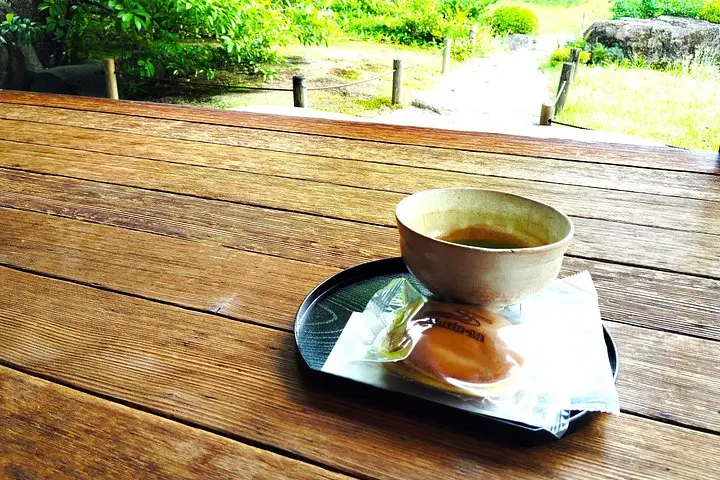
On a guided 90‑minute tour you’ll explore winding water paths, shaded groves, and restored early 20th‑century layouts, finishing with matcha and a traditional sweet at the on‑site café. Expect measured pacing, interpretation about design philosophy, and a chance to sit quietly and observe—ideal for travelers who prefer reflection over crowds.
Practical notes: the route is short and mostly level but includes steps and narrow passages—comfortable shoes and modest mobility help. Mornings are cooler and quieter; afternoons can be busier. Photography is welcome but be respectful of other visitors and of the tea ceremony pause. Bring cash for small purchases and plan about 90 minutes including the tea break.
The guided experience runs about 90 minutes and concludes with a matcha and sweet at the garden café.
Murin‑an has steps and uneven paths; wheelchair access is limited—contact the operator to discuss accommodations.
This tour is booked with a scheduled time; advance booking is recommended to secure a private tour slot.
Yes—photography is allowed, but please be discreet during the tea break and avoid using tripods in narrow areas.
DeepExperience operates guided outdoor trips and adventures with an emphasis on safety, stewardship, and memorable experiences.
You step through a modest gate and the city noise falls away—stone steps, a low stream, the soft hush of moss underfoot. Murin-an unfolds not as a single tableau but as a sequence of moments: water pulling your view along a canal, a teahouse framing a clipped pine, light sliding across gravel. The guide’s voice keeps rhythm with the path, inviting you to slow and notice the garden’s movement.
You step through a modest gate and the city noise falls away—stone steps, a low stream, the soft hush of moss underfoot. Murin-an unfolds not as a single tableau but as a sequence of moments: water pulling your view along a canal, a teahouse framing a clipped pine, light sliding across gravel. The guide’s voice keeps rhythm with the path, inviting you to slow and notice the garden’s movement.
Built in the late 19th century by statesman Yamagata Aritomo and designed by Ogawa Jihei, Murin-an marks a deliberate shift from static, symbolic gardens to one that celebrates flow, borrowed scenery, and seasonal change. The garden draws water from the Lake Biwa Canal; the engineered channel and mossed banks reveal both Kyoto’s modernization and its respect for natural rhythms. Architectural details—tea rooms, viewing platforms—showcase cultural practices around contemplation and hospitality.
On a guided 90‑minute tour you’ll explore winding water paths, shaded groves, and restored early 20th‑century layouts, finishing with matcha and a traditional sweet at the on‑site café. Expect measured pacing, interpretation about design philosophy, and a chance to sit quietly and observe—ideal for travelers who prefer reflection over crowds.
Practical notes: the route is short and mostly level but includes steps and narrow passages—comfortable shoes and modest mobility help. Mornings are cooler and quieter; afternoons can be busier. Photography is welcome but be respectful of other visitors and of the tea ceremony pause. Bring cash for small purchases and plan about 90 minutes including the tea break.