THE ADVENTURE COLLECTIVE® · Independent discovery and booking for outdoor travel

Ascend cedar-scented stone steps to Muro-ji, a rare temple that welcomed women pilgrims centuries ago. This 2–3 hour forest pilgrimage mixes cultural history, cliffside architecture, and quiet mountain walking.
Ascend cedar-scented stone steps to Muro-ji, a rare temple that welcomed women pilgrims centuries ago. This 2–3 hour forest pilgrimage mixes cultural history, cliffside architecture, and quiet mountain walking.
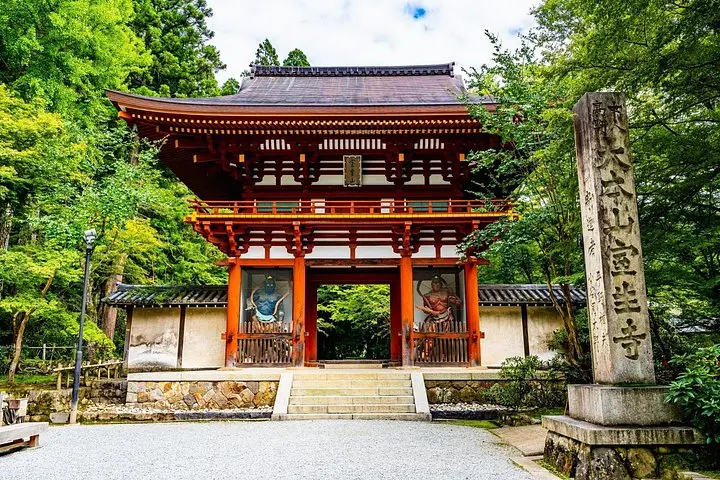
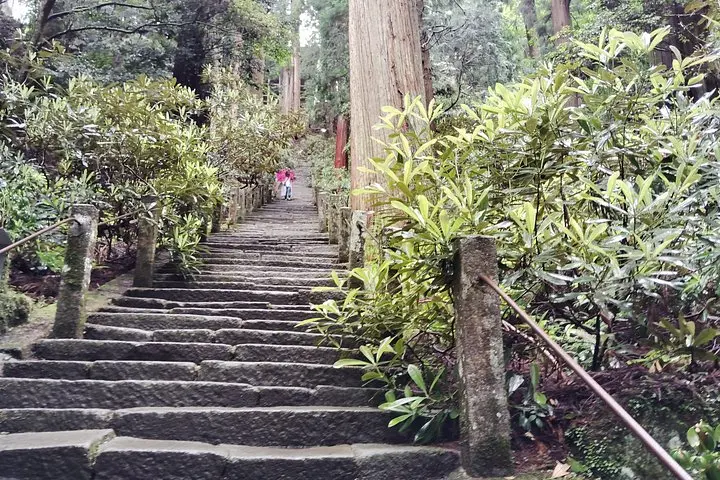
Morning light filters through towering cedars as you ascend the moss-lined stone steps toward Muro-ji. The air tastes of cedar and damp earth; each step narrows your world to the hush of the mountain and the slow rhythm of pilgrimage.
Verified experiences and guided adventures in the surrounding area.
Operated by DeepExperience · Uda, Nara Prefecture
Morning light filters through towering cedars as you ascend the moss-lined stone steps toward Muro-ji. The air tastes of cedar and damp earth; each step narrows your world to the hush of the mountain and the slow rhythm of pilgrimage.
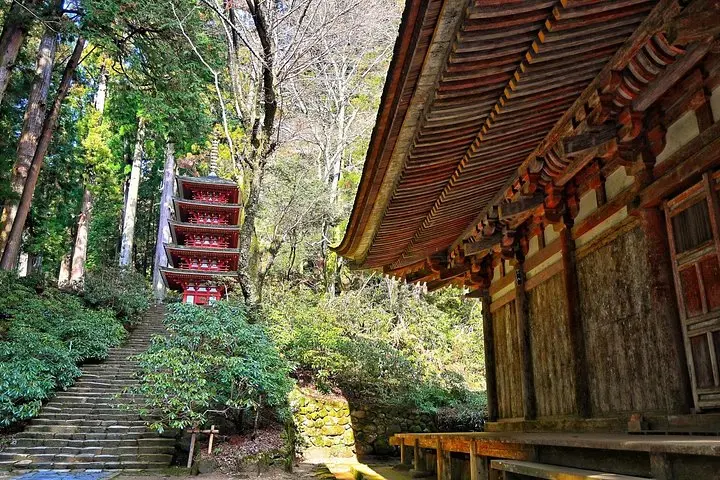
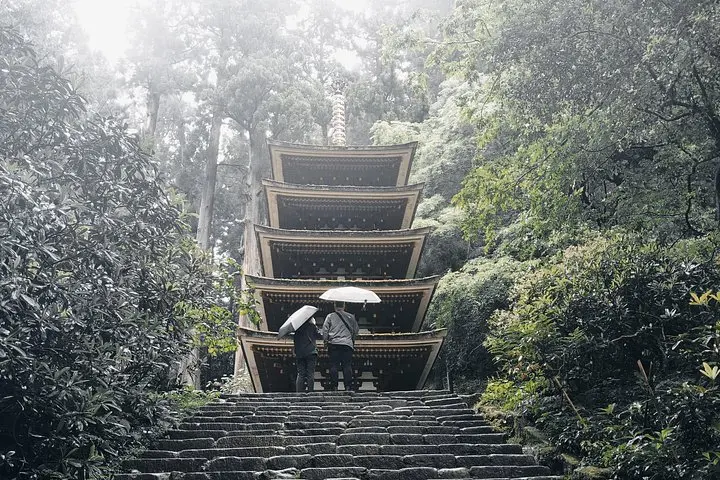
Founded over 1,300 years ago, Muro-ji earned the nickname “Women’s Kōyasan” for its rare historical acceptance of female worshippers. Built into a steep slope, the temple’s cliff-hanging hall (kakezukuri) and a modest five-story pagoda sit tight against the hillside, their wooden beams weathered by centuries of seasonal wind and rain.
Geology here is folded and forested: granite outcrops and deep soil feed dense stands of Japanese cedar that shape the temple’s microclimate and shade the stone path. Cultural practices—quiet prayer, incense, and respectful pacing—remain visible in carved rails, ancient lanterns, and slow-moving visitors.
Expect several hundred stone steps and a steady uphill approach; a typical visit lasts 2–3 hours if you include time to linger at the pagoda and trails. The experience is equal parts short mountain walk and cultural exploration: wear sturdy shoes, carry water, and give yourself time to move deliberately.
Best visited in the shoulder seasons for light and color, Muro-ji rewards slow travel and attentive senses. The route is family-friendly but uneven in places; bring layers and respect temple etiquette—silence, modest dress, and phone-free contemplation amplify the place’s effect.
The approach varies by access point but typically involves a short drive followed by several hundred stone steps and a 20–40 minute uphill walk from the nearest drop-off.
Yes—many visitors of varied ages come, but the stone steps and uneven paths require caution and a moderate level of mobility.
Both options exist; many travelers join guided visits for historical context, though you can explore the grounds independently during opening hours.
Photography policies vary by building—avoid flash and respect signs; some interiors may restrict photography around altars.
DeepExperience operates guided outdoor trips and adventures with an emphasis on safety, stewardship, and memorable experiences.
Morning light filters through towering cedars as you ascend the moss-lined stone steps toward Muro-ji. The air tastes of cedar and damp earth; each step narrows your world to the hush of the mountain and the slow rhythm of pilgrimage.
Morning light filters through towering cedars as you ascend the moss-lined stone steps toward Muro-ji. The air tastes of cedar and damp earth; each step narrows your world to the hush of the mountain and the slow rhythm of pilgrimage.
Founded over 1,300 years ago, Muro-ji earned the nickname “Women’s Kōyasan” for its rare historical acceptance of female worshippers. Built into a steep slope, the temple’s cliff-hanging hall (kakezukuri) and a modest five-story pagoda sit tight against the hillside, their wooden beams weathered by centuries of seasonal wind and rain.
Geology here is folded and forested: granite outcrops and deep soil feed dense stands of Japanese cedar that shape the temple’s microclimate and shade the stone path. Cultural practices—quiet prayer, incense, and respectful pacing—remain visible in carved rails, ancient lanterns, and slow-moving visitors.
Expect several hundred stone steps and a steady uphill approach; a typical visit lasts 2–3 hours if you include time to linger at the pagoda and trails. The experience is equal parts short mountain walk and cultural exploration: wear sturdy shoes, carry water, and give yourself time to move deliberately.
Best visited in the shoulder seasons for light and color, Muro-ji rewards slow travel and attentive senses. The route is family-friendly but uneven in places; bring layers and respect temple etiquette—silence, modest dress, and phone-free contemplation amplify the place’s effect.