THE ADVENTURE COLLECTIVE® · Independent discovery and booking for outdoor travel

Walk the wild sandstone coast of Murramarang National Park on a vehicle-supported, three-day guided trek from Batemans Bay. Expect long beaches, rainforest climbs and close wildlife encounters with all meals and villa accommodation included.
Walk the wild sandstone coast of Murramarang National Park on a vehicle-supported, three-day guided trek from Batemans Bay. Expect long beaches, rainforest climbs and close wildlife encounters with all meals and villa accommodation included.
The trail opens with surf-scented wind and the slow rhythm of waves as you step from the transfer van onto a track that threads cliff tops, long beaches and pockets of eucalypt rainforest. Daypacks are light; overnight bags wait at villas where salt air gives way to linen and hot showers.
Verified experiences and guided adventures in the surrounding area.
Operated by Region X · Batemans Bay, New South Wales
The trail opens with surf-scented wind and the slow rhythm of waves as you step from the transfer van onto a track that threads cliff tops, long beaches and pockets of eucalypt rainforest. Daypacks are light; overnight bags wait at villas where salt air gives way to linen and hot showers.
This stretch of the NSW South Coast sits on Permian and Triassic sandstones carved by ocean swell, with headlands like Point Upright framing sweeping views and shelves of rock platforms. Aboriginal Yuin country surrounds the coves and estuaries here; European logging and pastoral history left quieter imprints—Depot Beach began as a workers’ camp before becoming a holiday haven.
Expect variable terrain: long sandy shorelines, short rock scrambles, creek crossings and shaded forest tracks. Hikes run 4–6 hours on active days (roughly 8–14 km), with intermittent climbs up to ~250 m at headlands. Wildlife is a constant companion—tame kangaroos on Pebbly Beach and dolphins in the surf—and birdlife exploits each estuary.
Practical notes: this is vehicle-supported and guided, so technical navigation is minimal, but tide timing and a shallow river wade across Durras Lake require attention. Wear grippy shoes for rock platforms, pack a light waterproof, and carry at least 2–3 L of water per person. Mornings bring calmer seas and cooler hiking; afternoons are best for photography and massages back at the cottages. The rhythm here alternates active hiking with genuine downtime—ideal for walkers who want coastal exposure without heavy packs.
Days are rated low–moderate: expect 4–6 hours of walking with some short climbs and rock scrambles; vehicle support reduces pack weight.
This operator advises the experience is not suitable for children under 10 due to terrain and safety considerations.
Yes—common sightings include eastern grey kangaroos on beaches, dolphins offshore and diverse coastal birdlife around estuaries.
Quick-drying shoes with secure fit or lightweight sandals are best; expect a shallow wade and pack spare socks if you prefer.
Region X operates guided outdoor trips and adventures with an emphasis on safety, stewardship, and memorable experiences.
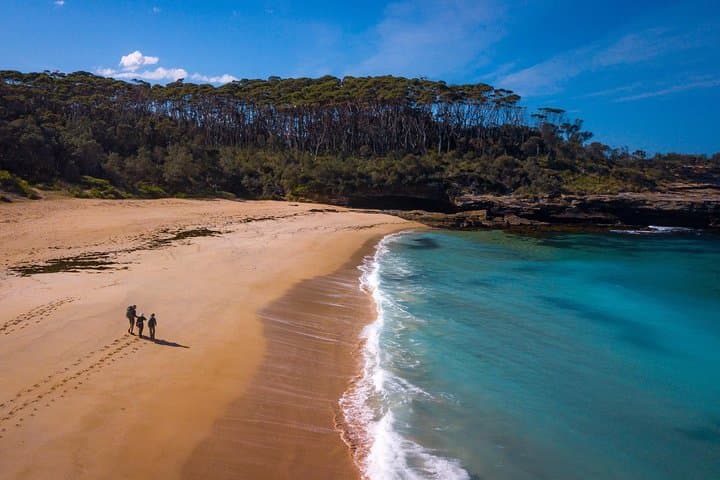
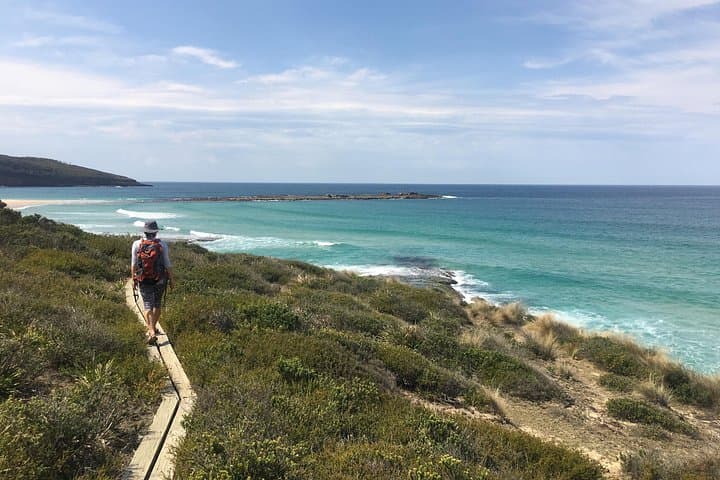

The trail opens with surf-scented wind and the slow rhythm of waves as you step from the transfer van onto a track that threads cliff tops, long beaches and pockets of eucalypt rainforest. Daypacks are light; overnight bags wait at villas where salt air gives way to linen and hot showers.
The trail opens with surf-scented wind and the slow rhythm of waves as you step from the transfer van onto a track that threads cliff tops, long beaches and pockets of eucalypt rainforest. Daypacks are light; overnight bags wait at villas where salt air gives way to linen and hot showers.
This stretch of the NSW South Coast sits on Permian and Triassic sandstones carved by ocean swell, with headlands like Point Upright framing sweeping views and shelves of rock platforms. Aboriginal Yuin country surrounds the coves and estuaries here; European logging and pastoral history left quieter imprints—Depot Beach began as a workers’ camp before becoming a holiday haven.
Expect variable terrain: long sandy shorelines, short rock scrambles, creek crossings and shaded forest tracks. Hikes run 4–6 hours on active days (roughly 8–14 km), with intermittent climbs up to ~250 m at headlands. Wildlife is a constant companion—tame kangaroos on Pebbly Beach and dolphins in the surf—and birdlife exploits each estuary.
Practical notes: this is vehicle-supported and guided, so technical navigation is minimal, but tide timing and a shallow river wade across Durras Lake require attention. Wear grippy shoes for rock platforms, pack a light waterproof, and carry at least 2–3 L of water per person. Mornings bring calmer seas and cooler hiking; afternoons are best for photography and massages back at the cottages. The rhythm here alternates active hiking with genuine downtime—ideal for walkers who want coastal exposure without heavy packs.