THE ADVENTURE COLLECTIVE® · Independent discovery and booking for outdoor travel

An off-road 4x4 that climbs the Hajar to Jebel Harim, this Musandam mountain safari pairs dramatic sea vistas and fossil-rich slopes with a visit to the high-plateau Bedouin village of Sayh. Expect rocky tracks, short walks, and panoramic viewpoints over the Indian Ocean.
An off-road 4x4 that climbs the Hajar to Jebel Harim, this Musandam mountain safari pairs dramatic sea vistas and fossil-rich slopes with a visit to the high-plateau Bedouin village of Sayh. Expect rocky tracks, short walks, and panoramic viewpoints over the Indian Ocean.
The convoy peels off the coastal road and climbs into the Hajar’s stony flank, tires hissing over gravel as the sea becomes a distant band of blue. Wind-carved ridges rise like stacked plates; gullies and plateaus alternate with sudden, panoramic drops toward the Indian Ocean. By the time you crest near Jebel Harim, the air is thinner and the peninsula’s geology lays itself out in layers — folded limestone, shell-rich strata and fossil beds that hint at a marine past.
Verified experiences and guided adventures in the surrounding area.
Operated by Al Taif Tour · Khasab, Musandam Governorate
The convoy peels off the coastal road and climbs into the Hajar’s stony flank, tires hissing over gravel as the sea becomes a distant band of blue. Wind-carved ridges rise like stacked plates; gullies and plateaus alternate with sudden, panoramic drops toward the Indian Ocean. By the time you crest near Jebel Harim, the air is thinner and the peninsula’s geology lays itself out in layers — folded limestone, shell-rich strata and fossil beds that hint at a marine past.
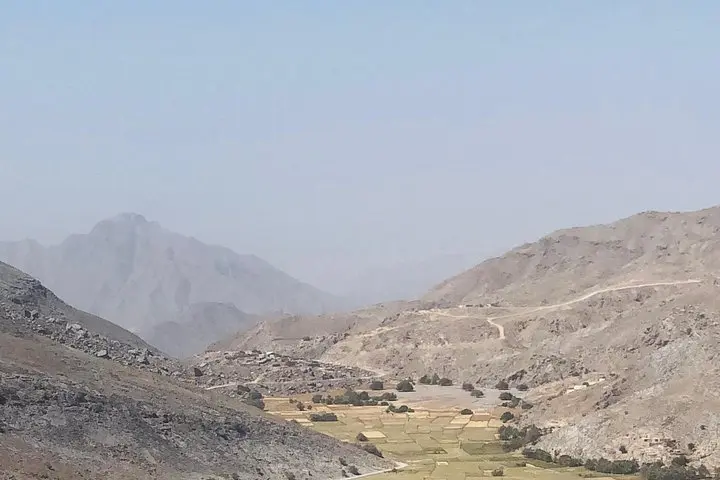
This half-day 4x4 safari follows old Bedouin tracks to Jebel Harim (2,087 m), passes the high-plateau village of Sayh (≈1,100 m) and pauses at Khawr Najd, a sea viewpoint facing east. The route traces the Hajar Mountains’ tectonic story: uplifted seabed exposed to wind and salt, sculpting cliffs and terraces. Cultural notes appear in small stone houses and terraced plots at Sayh — a living reminder of Musandam’s mountain pastoralism and centuries of coastal trade.
Expect dusty tracks, intermittent short walks, and vehicle-assisted climbs rather than long sustained hiking; fossils often sit mere meters from the trail. Wildlife sightings are mostly birds and small mountain mammals; flora is drought-hardy acacia and scrub.
Practical guidance: wear sturdy shoes with good tread, sun protection and layers for wind-chill at higher elevations. Bring at least 1–2 liters of water, and pace yourself on short uphill stretches. The tour suits travelers with moderate fitness who can tolerate bumpy rides; it’s not recommended for those with serious back, heart, or pregnancy restrictions. Aim for morning departures to avoid midday heat and to catch the clearest sea views.
Moderate fitness is sufficient; the experience is vehicle-led with short on-foot sections at viewpoints and in the village — you should be comfortable with brief uphill walking and bumpy rides.
Jebel Harim is 2,087 m, which can cause mild breathlessness for some; stay hydrated, move slowly during short hikes, and inform guides of any concerns.
Tours commonly provide bottled water, soft drinks and fruit as noted in inclusions; bring additional water and preferred snacks if you need more.
Infants must sit on laps; the tour is not recommended for pregnant travelers or those with serious back or heart problems due to rough terrain and vehicle movement.
Al Taif Tour operates guided outdoor trips and adventures with an emphasis on safety, stewardship, and memorable experiences.
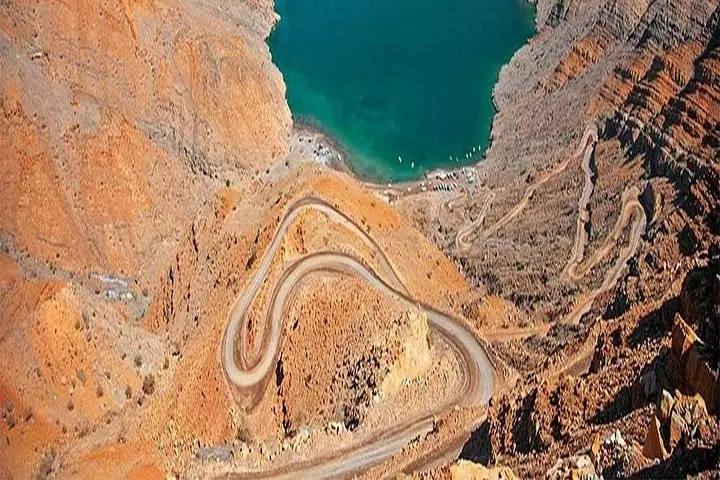
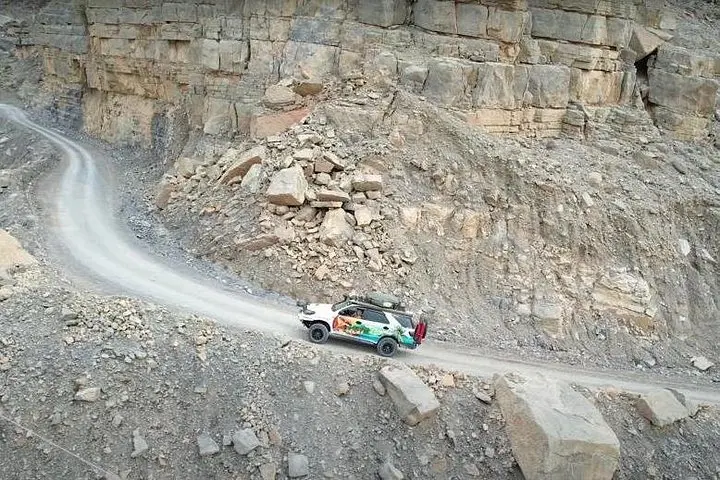
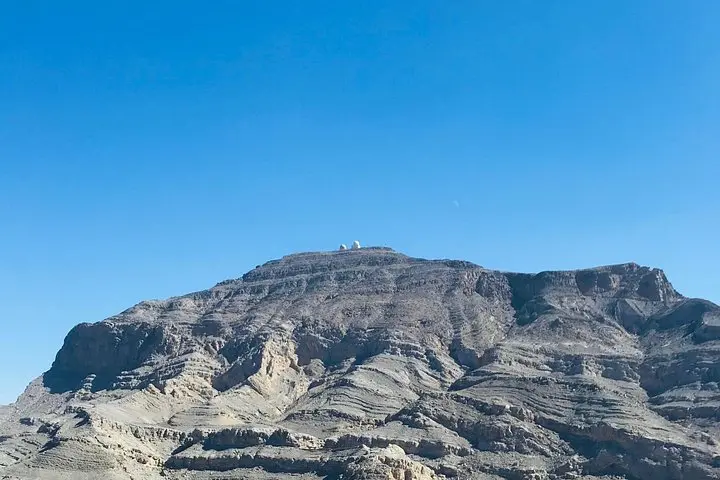
The convoy peels off the coastal road and climbs into the Hajar’s stony flank, tires hissing over gravel as the sea becomes a distant band of blue. Wind-carved ridges rise like stacked plates; gullies and plateaus alternate with sudden, panoramic drops toward the Indian Ocean. By the time you crest near Jebel Harim, the air is thinner and the peninsula’s geology lays itself out in layers — folded limestone, shell-rich strata and fossil beds that hint at a marine past.
The convoy peels off the coastal road and climbs into the Hajar’s stony flank, tires hissing over gravel as the sea becomes a distant band of blue. Wind-carved ridges rise like stacked plates; gullies and plateaus alternate with sudden, panoramic drops toward the Indian Ocean. By the time you crest near Jebel Harim, the air is thinner and the peninsula’s geology lays itself out in layers — folded limestone, shell-rich strata and fossil beds that hint at a marine past.
This half-day 4x4 safari follows old Bedouin tracks to Jebel Harim (2,087 m), passes the high-plateau village of Sayh (≈1,100 m) and pauses at Khawr Najd, a sea viewpoint facing east. The route traces the Hajar Mountains’ tectonic story: uplifted seabed exposed to wind and salt, sculpting cliffs and terraces. Cultural notes appear in small stone houses and terraced plots at Sayh — a living reminder of Musandam’s mountain pastoralism and centuries of coastal trade.
Expect dusty tracks, intermittent short walks, and vehicle-assisted climbs rather than long sustained hiking; fossils often sit mere meters from the trail. Wildlife sightings are mostly birds and small mountain mammals; flora is drought-hardy acacia and scrub.
Practical guidance: wear sturdy shoes with good tread, sun protection and layers for wind-chill at higher elevations. Bring at least 1–2 liters of water, and pace yourself on short uphill stretches. The tour suits travelers with moderate fitness who can tolerate bumpy rides; it’s not recommended for those with serious back, heart, or pregnancy restrictions. Aim for morning departures to avoid midday heat and to catch the clearest sea views.