THE ADVENTURE COLLECTIVE® · Independent discovery and booking for outdoor travel

A guided one-hour horseback ride along Muscat’s shoreline that pairs steady gaits on wide sand flats with coastal views of the Hajar foothills. Ideal for beginners and photographers seeking low-tide vistas.
A guided one-hour horseback ride along Muscat’s shoreline that pairs steady gaits on wide sand flats with coastal views of the Hajar foothills. Ideal for beginners and photographers seeking low-tide vistas.
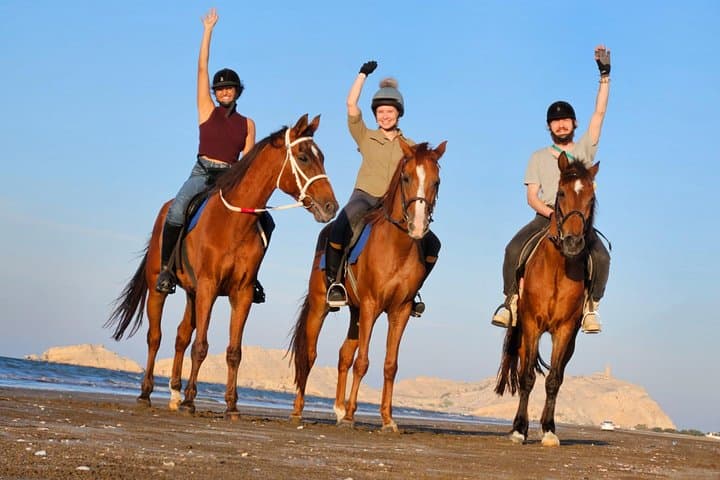
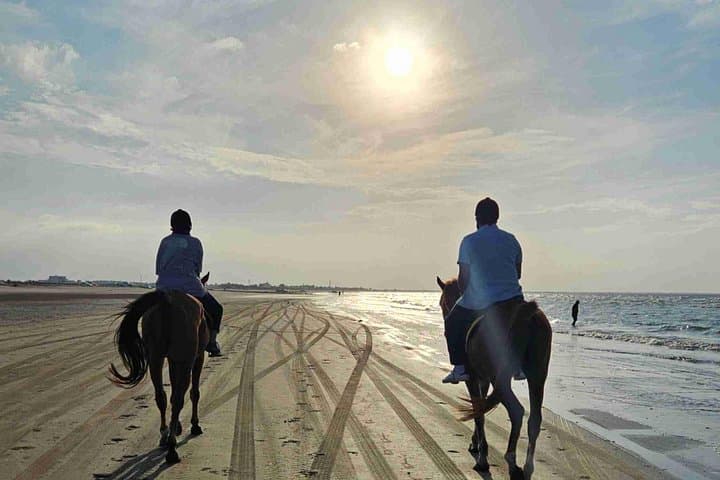
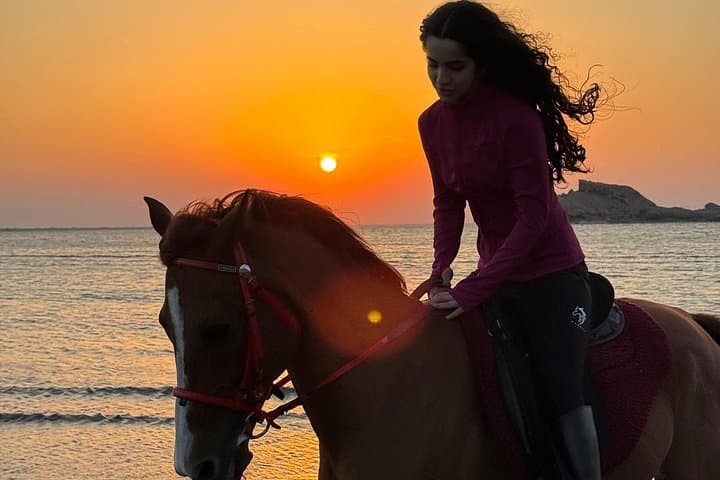
The first rhythm you notice is the horse’s hooffall on hard wet sand, a steady counterpoint to the surf as the sky over Muscat flashes turquoise and gold. Riders move in single file along a long, open beach where seawater laps close enough to stir the horse’s breath; in the distance the low Hajar foothills rise like an old spine, pale rock cut by ephemeral wadis.
Verified experiences and guided adventures in the surrounding area.
Operated by Horse Riding Oman · Muscat, Muscat Governorate
The first rhythm you notice is the horse’s hooffall on hard wet sand, a steady counterpoint to the surf as the sky over Muscat flashes turquoise and gold. Riders move in single file along a long, open beach where seawater laps close enough to stir the horse’s breath; in the distance the low Hajar foothills rise like an old spine, pale rock cut by ephemeral wadis.
This stretch of Omani coast has been a conduit for trade and movement for centuries — frankincense and sailors once used these same shores — and horsemanship remains part of local culture. Geologically, the coastline is a meeting of Arabian Sea currents and recent sediment, producing wide sand flats at low tide and rocky headlands that catch migrating seabirds.
Expect a guided, one-hour ride run by trained staff who provide helmets and basic instruction. Sessions suit beginners and experienced riders alike; trainers adapt pace and formation to skill level. The company operates close to Muscat’s urban beaches, so accessibility and short transfers are common. Timing matters: early morning or late afternoon tempers heat and brings softer light for photos.
Practical pointers: wear closed-toe shoes with a heel, bring plenty of water, and keep cameras secured — sudden turns and salt spray are part of the experience. Respect local customs: modest clothing and polite behavior are expected near residential areas. Finally, ride with an eye to wildlife and shoreline ecology — stay on agreed paths to protect nesting birds and dune vegetation.
No—guides provide basic instruction and handle horses for beginners; rides are paced to rider skill level.
Providers often set weight and age limits for safety; confirm at booking and disclose weight and any medical concerns.
Early morning or late afternoon to avoid peak heat and to get softer light for photos.
Facilities list accessibility features and offer infant seats; children and those needing assistance should consult the operator in advance.
Horse Riding Oman operates guided outdoor trips and adventures with an emphasis on safety, stewardship, and memorable experiences.

The first rhythm you notice is the horse’s hooffall on hard wet sand, a steady counterpoint to the surf as the sky over Muscat flashes turquoise and gold. Riders move in single file along a long, open beach where seawater laps close enough to stir the horse’s breath; in the distance the low Hajar foothills rise like an old spine, pale rock cut by ephemeral wadis.
The first rhythm you notice is the horse’s hooffall on hard wet sand, a steady counterpoint to the surf as the sky over Muscat flashes turquoise and gold. Riders move in single file along a long, open beach where seawater laps close enough to stir the horse’s breath; in the distance the low Hajar foothills rise like an old spine, pale rock cut by ephemeral wadis.
This stretch of Omani coast has been a conduit for trade and movement for centuries — frankincense and sailors once used these same shores — and horsemanship remains part of local culture. Geologically, the coastline is a meeting of Arabian Sea currents and recent sediment, producing wide sand flats at low tide and rocky headlands that catch migrating seabirds.
Expect a guided, one-hour ride run by trained staff who provide helmets and basic instruction. Sessions suit beginners and experienced riders alike; trainers adapt pace and formation to skill level. The company operates close to Muscat’s urban beaches, so accessibility and short transfers are common. Timing matters: early morning or late afternoon tempers heat and brings softer light for photos.
Practical pointers: wear closed-toe shoes with a heel, bring plenty of water, and keep cameras secured — sudden turns and salt spray are part of the experience. Respect local customs: modest clothing and polite behavior are expected near residential areas. Finally, ride with an eye to wildlife and shoreline ecology — stay on agreed paths to protect nesting birds and dune vegetation.