THE ADVENTURE COLLECTIVE® · Independent discovery and booking for outdoor travel

Explore Muscat’s key landmarks after dark on a 4.5-hour guided circuit that combines mosque views, the Opera House, Qurum Beach and the lively Mutrah Souq. Perfect for photographers and evening strollers seeking history and local flavor.
Explore Muscat’s key landmarks after dark on a 4.5-hour guided circuit that combines mosque views, the Opera House, Qurum Beach and the lively Mutrah Souq. Perfect for photographers and evening strollers seeking history and local flavor.
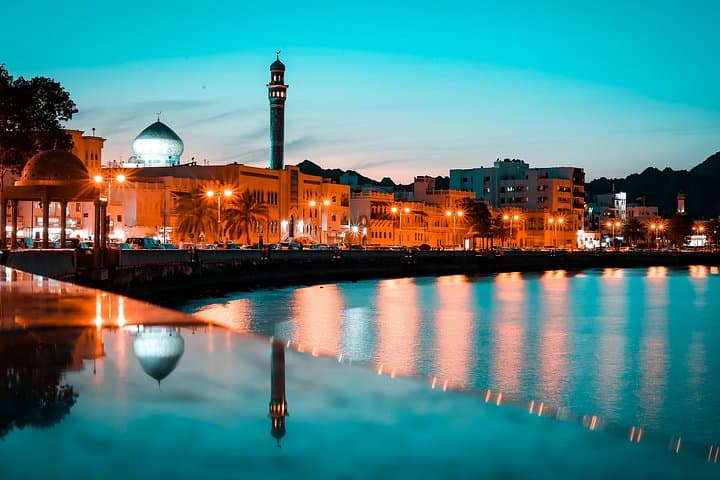
The evening air in Muscat cools against the city’s limestone facades as lights shift from gold to electric blue, and an articulated minivan pulls away into streets that have served sailors and traders for centuries.
Verified experiences and guided adventures in the surrounding area.
Operated by Oman Tour · Muscat, Muscat Governorate
The evening air in Muscat cools against the city’s limestone facades as lights shift from gold to electric blue, and an articulated minivan pulls away into streets that have served sailors and traders for centuries.
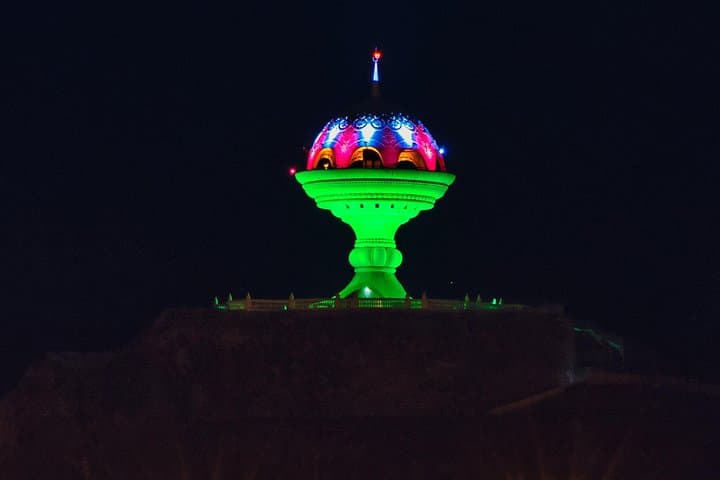
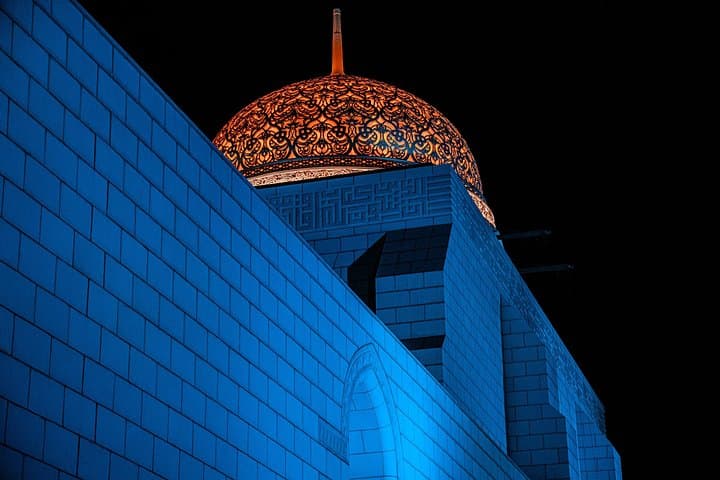
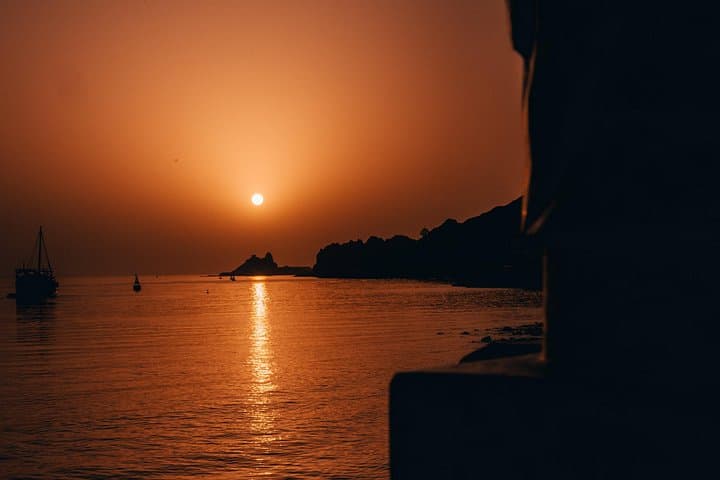
This guided night loop stops at Sultan Qaboos Grand Mosque (viewed from outside after hours), the Opera House, Qurum Beach, Mutrah Souq and Corniche, Al Alam Palace and the coastal forts of Mirani and Jalali. The walkable stretches along Mutrah’s old quarter feel like a living map of Muscat’s maritime past—Portuguese fortifications perch on headlands while Omani merchants once bartered frankincense and dates in the alleys below.
Geology and city form are simple: a narrow coastal plain hemmed by the Hajar foothills, rock-streaked and wind-sculpted, dropping to a calm sea that moderates temperatures. Culturally, evening is when Muscat opens: souqs hum, cafés pour cardamom tea and the palace façades are lit for ceremonial effect.
Practical guidance: the tour lasts about 4½ hours with short photo stops and a longer Mutrah Souq visit; expect light walking on paved streets and the corniche. Dress conservatively—shoulders and knees covered—in respect of local norms and for mosque views. Bring a small flashlight or phone headlamp for dim alleys, cash for souvenirs and a water bottle provided but refillable on the route. Cameras handle low-light scenes well with a steady hand or small tripod; the guide times stops for silhouettes of the forts and palace reflections.
Even in a city, the night rearranges perspective: currents of people and sea both invite a slower, observational pace.
No—this tour views the Grand Mosque from outside in the evening; interior visits are limited to daytime hours and specific visiting times.
Yes—the provider lists wheelchair-accessible transport and surfaces, but check pickup point logistics ahead of time to confirm specific access needs.
Yes—the itinerary includes an extended 30–45 minute stop in Mutrah Souq for browsing, photos and light refreshments on your own.
Bottled water and tea or coffee are included, but bring cash for snacks or souvenirs in the souq.
Oman Tour operates guided outdoor trips and adventures with an emphasis on safety, stewardship, and memorable experiences.
The evening air in Muscat cools against the city’s limestone facades as lights shift from gold to electric blue, and an articulated minivan pulls away into streets that have served sailors and traders for centuries.
The evening air in Muscat cools against the city’s limestone facades as lights shift from gold to electric blue, and an articulated minivan pulls away into streets that have served sailors and traders for centuries.
This guided night loop stops at Sultan Qaboos Grand Mosque (viewed from outside after hours), the Opera House, Qurum Beach, Mutrah Souq and Corniche, Al Alam Palace and the coastal forts of Mirani and Jalali. The walkable stretches along Mutrah’s old quarter feel like a living map of Muscat’s maritime past—Portuguese fortifications perch on headlands while Omani merchants once bartered frankincense and dates in the alleys below.
Geology and city form are simple: a narrow coastal plain hemmed by the Hajar foothills, rock-streaked and wind-sculpted, dropping to a calm sea that moderates temperatures. Culturally, evening is when Muscat opens: souqs hum, cafés pour cardamom tea and the palace façades are lit for ceremonial effect.
Practical guidance: the tour lasts about 4½ hours with short photo stops and a longer Mutrah Souq visit; expect light walking on paved streets and the corniche. Dress conservatively—shoulders and knees covered—in respect of local norms and for mosque views. Bring a small flashlight or phone headlamp for dim alleys, cash for souvenirs and a water bottle provided but refillable on the route. Cameras handle low-light scenes well with a steady hand or small tripod; the guide times stops for silhouettes of the forts and palace reflections.
Even in a city, the night rearranges perspective: currents of people and sea both invite a slower, observational pace.