THE ADVENTURE COLLECTIVE® · Independent discovery and booking for outdoor travel

Step aboard from Marina Bandar Al Rowdha for a two-hour dolphin-watching cruise along Muscat’s rocky coastline. Expect playful pods, expert commentary, and simple onboard refreshments—ideal for travelers seeking an accessible marine wildlife experience.
Step aboard from Marina Bandar Al Rowdha for a two-hour dolphin-watching cruise along Muscat’s rocky coastline. Expect playful pods, expert commentary, and simple onboard refreshments—ideal for travelers seeking an accessible marine wildlife experience.
The boat slips away from Marina Bandar Al Rowdha with the salt wind pushing at the bow and Muscat’s limestone coast sliding past—jagged cliffs, sandy pockets, and watchful gulls. Within minutes the city’s white buildings fall behind and the sea opens, playful dolphins cutting arcs through the blue and inviting passengers to lean over the rail.
Verified experiences and guided adventures in the surrounding area.
Operated by Magic Tours Egypt · Muscat, Muscat Governorate
The boat slips away from Marina Bandar Al Rowdha with the salt wind pushing at the bow and Muscat’s limestone coast sliding past—jagged cliffs, sandy pockets, and watchful gulls. Within minutes the city’s white buildings fall behind and the sea opens, playful dolphins cutting arcs through the blue and inviting passengers to lean over the rail.
Omani waters have long supported a coastal fishing culture and centuries of seafaring; the same currents that carried dhows and frankincense traders now funnel small pods of Indo‑Pacific dolphins and spinner dolphins along the shore. Geologically, the coastline is young folded limestone and volcanic outcrops, producing sheltered coves where marine life concentrates.
Guides aboard frame animal behavior and local marine ecology in plain language—why dolphins ride the bow, where to expect feeding groups, and how seasonal winds shift sightings. Culture is present in small touches: crew hospitality, light refreshments, and a rhythm that prioritizes wildlife visibility over spectacle.
Practical notes: trips run about two hours, life jackets are supplied, and boats typically carry 20–30 guests. Morning departures improve sighting odds and reduce glare for photography; late afternoons bring calmer seas but stronger heat in summer. Expect basic onboard facilities rather than full-service yachts, and plan for sun exposure, wind, and the occasional swell.
For travelers seeking an accessible marine outing in Muscat, this cruise balances wildlife viewing with local insight—an easy, sensory way to meet Oman’s coastal sea life while learning the human and geological forces that shape it.
Sightings are common in Muscat’s coastal waters—most trips report seeing dolphins, though exact behavior is unpredictable and never guaranteed.
Yes; infants must sit on an adult’s lap and all guests are expected to wear supplied life jackets when required by crew.
Basic complimentary snacks, juice, and bottled water are provided; bring your own if you need specialty items or additional snacks.
Cancellation and refund policies vary, but standard terms typically provide a full refund if you cancel at least 24 hours in advance; operators monitor conditions for passenger safety.
Magic Tours Egypt operates guided outdoor trips and adventures with an emphasis on safety, stewardship, and memorable experiences.
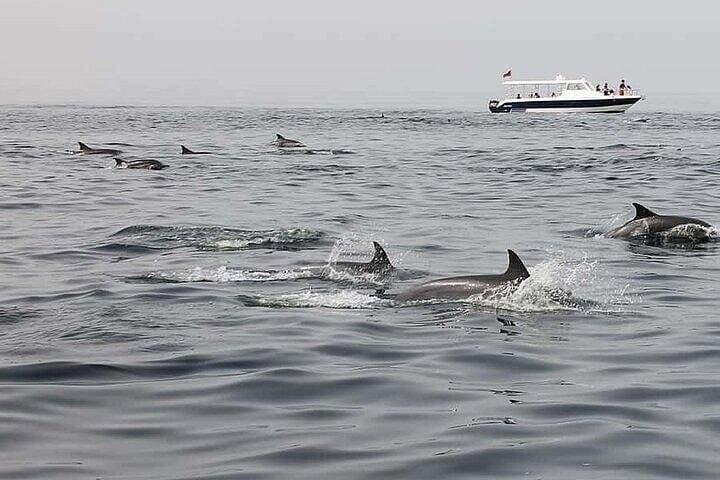
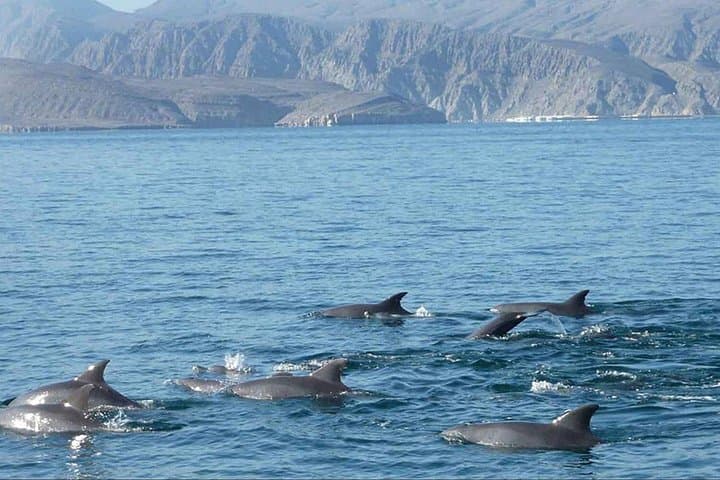
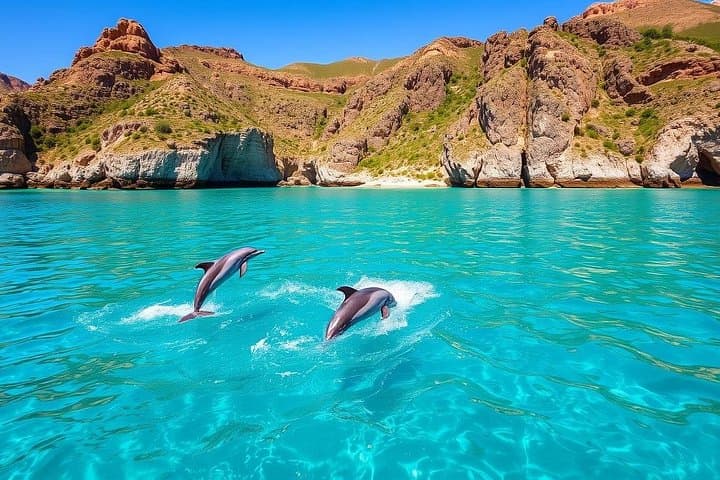
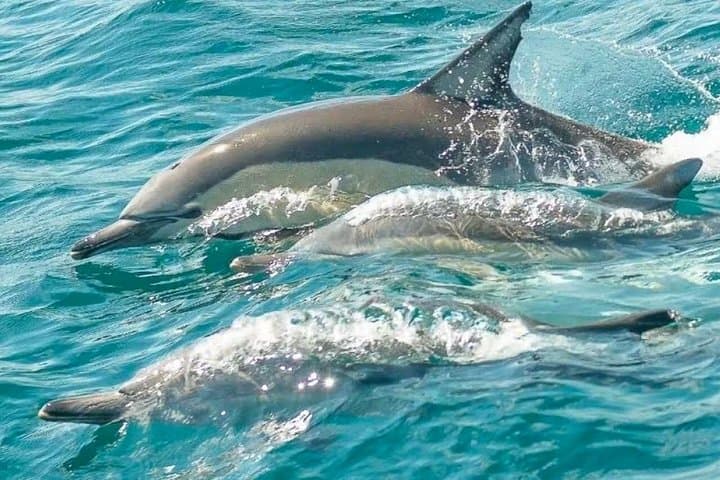
The boat slips away from Marina Bandar Al Rowdha with the salt wind pushing at the bow and Muscat’s limestone coast sliding past—jagged cliffs, sandy pockets, and watchful gulls. Within minutes the city’s white buildings fall behind and the sea opens, playful dolphins cutting arcs through the blue and inviting passengers to lean over the rail.
The boat slips away from Marina Bandar Al Rowdha with the salt wind pushing at the bow and Muscat’s limestone coast sliding past—jagged cliffs, sandy pockets, and watchful gulls. Within minutes the city’s white buildings fall behind and the sea opens, playful dolphins cutting arcs through the blue and inviting passengers to lean over the rail.
Omani waters have long supported a coastal fishing culture and centuries of seafaring; the same currents that carried dhows and frankincense traders now funnel small pods of Indo‑Pacific dolphins and spinner dolphins along the shore. Geologically, the coastline is young folded limestone and volcanic outcrops, producing sheltered coves where marine life concentrates.
Guides aboard frame animal behavior and local marine ecology in plain language—why dolphins ride the bow, where to expect feeding groups, and how seasonal winds shift sightings. Culture is present in small touches: crew hospitality, light refreshments, and a rhythm that prioritizes wildlife visibility over spectacle.
Practical notes: trips run about two hours, life jackets are supplied, and boats typically carry 20–30 guests. Morning departures improve sighting odds and reduce glare for photography; late afternoons bring calmer seas but stronger heat in summer. Expect basic onboard facilities rather than full-service yachts, and plan for sun exposure, wind, and the occasional swell.
For travelers seeking an accessible marine outing in Muscat, this cruise balances wildlife viewing with local insight—an easy, sensory way to meet Oman’s coastal sea life while learning the human and geological forces that shape it.