THE ADVENTURE COLLECTIVE® · Independent discovery and booking for outdoor travel

A hands-on, 60–90 minute tour of perception — the Museum of Illusions Valencia pairs optical science with playful installations. Plan your visit for the best photos and least crowds.
A hands-on, 60–90 minute tour of perception — the Museum of Illusions Valencia pairs optical science with playful installations. Plan your visit for the best photos and least crowds.
You step through a low-lit doorway and the floor seems to tilt beneath you; a corridor of angled mirrors doubles every figure until perception feels optional. The Museum of Illusions Valencia stages that push-and-pull on a human scale — rooms that bend perspective, a vortex tunnel that makes your stride and balance play tricks, and optical installations that beg a camera.
Verified experiences and guided adventures in the surrounding area.
Operated by Museum Of Illusions Valencia · Valencia, Comunidad Valenciana
You step through a low-lit doorway and the floor seems to tilt beneath you; a corridor of angled mirrors doubles every figure until perception feels optional. The Museum of Illusions Valencia stages that push-and-pull on a human scale — rooms that bend perspective, a vortex tunnel that makes your stride and balance play tricks, and optical installations that beg a camera.
Valencia sits where the Turia River once ran openly through the city until its rerouting after the 1957 flood; that engineered change left a broad green ribbon — the Turia Gardens — and a city eager for public science and civic play. The museum is part of a global chain that mixes visual psychology, low-tech physics, and design to create hands-on experiments that are as much about learning as amusement.
The exhibits nod to centuries of optical inquiry — from camera obscura basics to modern holographic effects — while reflecting Valencia’s lively street-culture aesthetic and photo-friendly energy. Expect to move room-to-room: interactive stations, forced-perspective setups (the Beuchet Chair), and installations designed for social-media-ready images.
Practical guidance: plan 60–90 minutes, buy a mobile ticket to skip the line, and visit outside peak midday hours for easier framing and fewer crowds. Wear comfortable shoes for standing and stepping into perspective rigs; most exhibits are wheelchair- and stroller-accessible but can involve narrow spaces. Keep phone batteries topped and use a small tripod or monopod only where permitted. Above all, try the optical demos with both eyes open — the room will still surprise you.
Plan on 60–90 minutes to experience most exhibits at a relaxed pace.
Yes — photography is encouraged for most installations; follow posted rules about tripods and flash.
Yes — the venue is wheelchair- and stroller-accessible, with most surfaces and routes designed for accessibility.
No — tickets are mobile-friendly; present your booking on your phone for admission.
Museum Of Illusions Valencia operates guided outdoor trips and adventures with an emphasis on safety, stewardship, and memorable experiences.
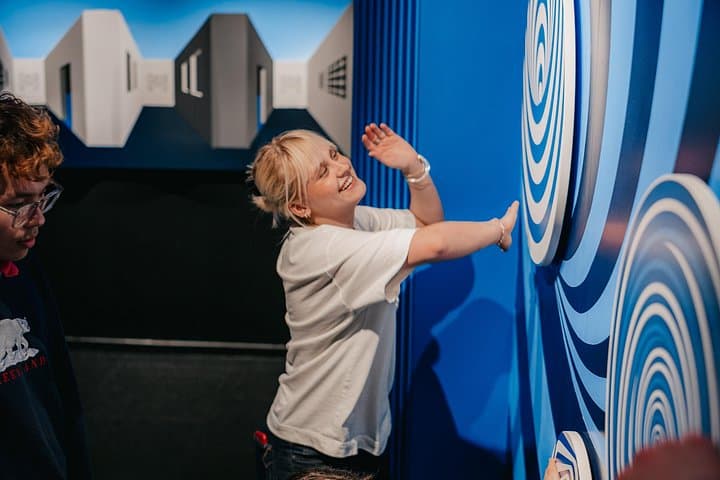
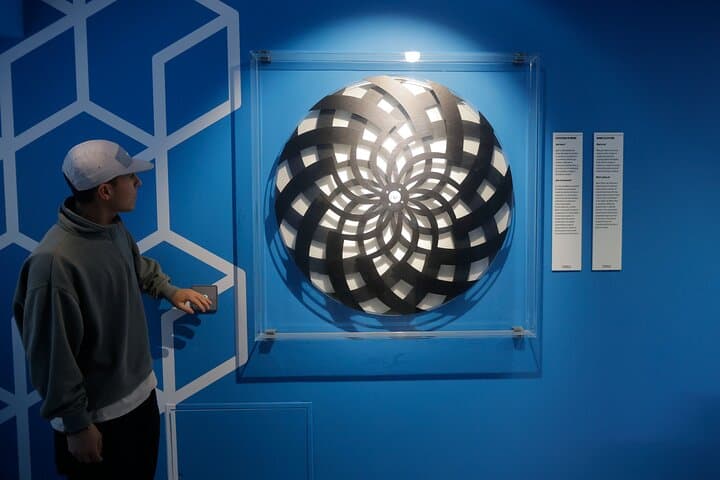
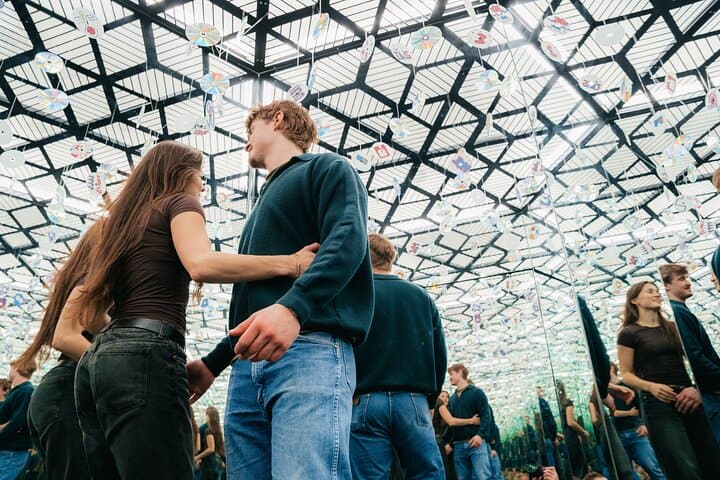
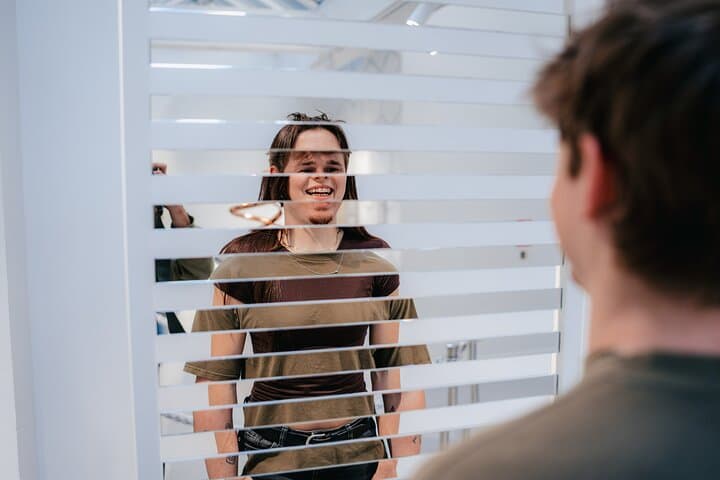
You step through a low-lit doorway and the floor seems to tilt beneath you; a corridor of angled mirrors doubles every figure until perception feels optional. The Museum of Illusions Valencia stages that push-and-pull on a human scale — rooms that bend perspective, a vortex tunnel that makes your stride and balance play tricks, and optical installations that beg a camera.
You step through a low-lit doorway and the floor seems to tilt beneath you; a corridor of angled mirrors doubles every figure until perception feels optional. The Museum of Illusions Valencia stages that push-and-pull on a human scale — rooms that bend perspective, a vortex tunnel that makes your stride and balance play tricks, and optical installations that beg a camera.
Valencia sits where the Turia River once ran openly through the city until its rerouting after the 1957 flood; that engineered change left a broad green ribbon — the Turia Gardens — and a city eager for public science and civic play. The museum is part of a global chain that mixes visual psychology, low-tech physics, and design to create hands-on experiments that are as much about learning as amusement.
The exhibits nod to centuries of optical inquiry — from camera obscura basics to modern holographic effects — while reflecting Valencia’s lively street-culture aesthetic and photo-friendly energy. Expect to move room-to-room: interactive stations, forced-perspective setups (the Beuchet Chair), and installations designed for social-media-ready images.
Practical guidance: plan 60–90 minutes, buy a mobile ticket to skip the line, and visit outside peak midday hours for easier framing and fewer crowds. Wear comfortable shoes for standing and stepping into perspective rigs; most exhibits are wheelchair- and stroller-accessible but can involve narrow spaces. Keep phone batteries topped and use a small tripod or monopod only where permitted. Above all, try the optical demos with both eyes open — the room will still surprise you.