THE ADVENTURE COLLECTIVE® · Independent discovery and booking for outdoor travel

Step into Zagreb’s Museum of Lost Tales to hear Croatia’s oral heritage come alive. This compact museum presents over 130 folk tales and hours of recordings—ideal for families, history fans, and curious travelers.
Step into Zagreb’s Museum of Lost Tales to hear Croatia’s oral heritage come alive. This compact museum presents over 130 folk tales and hours of recordings—ideal for families, history fans, and curious travelers.
You step through a low-lit doorway and the city noise thins—voices from the past begin to speak. In the Museum of Lost Tales, carved figures lean from shadowed alcoves and narrated stories unfurl across the room, guiding you through Croatian oral tradition as if the storytellers themselves are still at the hearth.
Verified experiences and guided adventures in the surrounding area.
Operated by The Museum Of Lost Tales · Zagreb, Zagreb
You step through a low-lit doorway and the city noise thins—voices from the past begin to speak. In the Museum of Lost Tales, carved figures lean from shadowed alcoves and narrated stories unfurl across the room, guiding you through Croatian oral tradition as if the storytellers themselves are still at the hearth.
The exhibit traces centuries of regional myth: agrarian folktales shaped by karst fields and Adriatic winds, Slavic motifs braided with Ottoman and Austro-Hungarian influences. Panels and audio stations present more than 130 tales and four hours of recordings that reveal how landscape and history shaped local imagination—how river crossings, forested hills, and coastal trade routes created characters both protective and mischievous.
Culturally, the museum is part archive, part theater: the collection reclaims marginal tales and makes them accessible to families and researchers alike. Expect interpretive displays, recorded narrations in Croatian (often with translations), and tactile installations aimed at younger visitors.
Practically, plan 1–2 hours to move through at a relaxed pace, longer if you listen to every recording. The site is centrally located in Zagreb with public transport nearby and skip-the-line tickets available for peak days. Service animals are permitted; infants must sit on laps. Wear comfortable shoes for connecting walks through the historic center, bring headphones if you want private listening, and reserve tickets in advance during summer and festival weekends. The museum is an indoor refuge in winter and a calm cultural stop on warmer days—an efficient way to connect with Croatia’s storytelling roots without leaving the city.
Most visitors spend 1–2 hours; if you intend to listen to multiple full recordings, allow up to 3–4 hours.
The museum provides audio material and translations for many exhibits, but language availability can vary—ask staff on arrival.
The museum is described as physically easy; contact the venue in advance to confirm specific accessibility features for your needs.
Photography policies may vary by exhibit—non-flash photography is generally allowed, but check posted signs or ask staff.
The Museum Of Lost Tales operates guided outdoor trips and adventures with an emphasis on safety, stewardship, and memorable experiences.
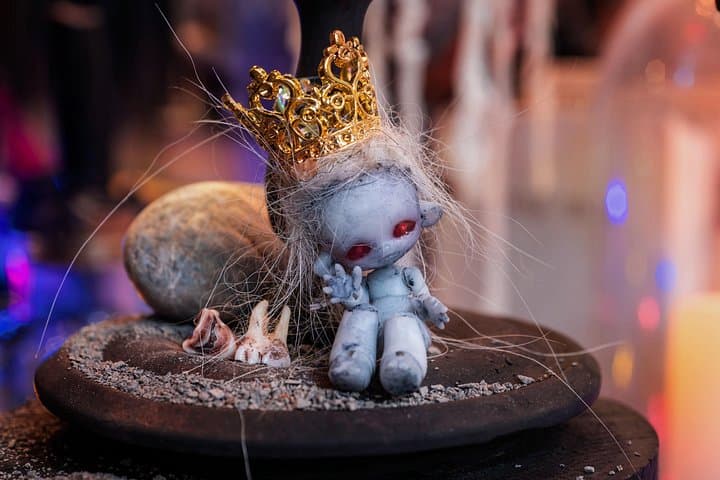
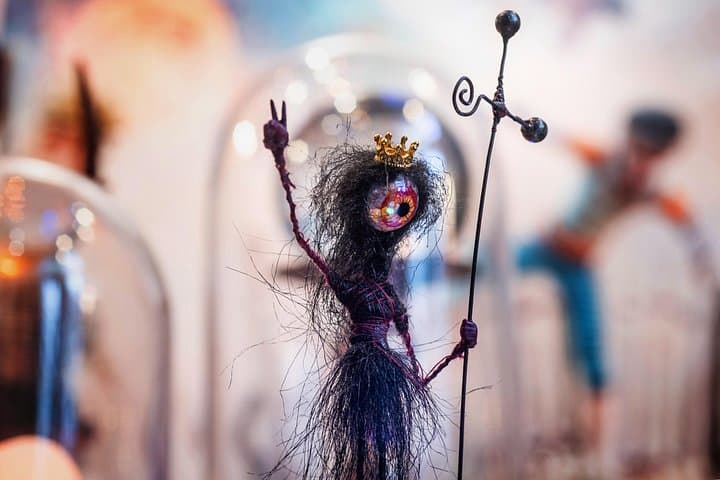
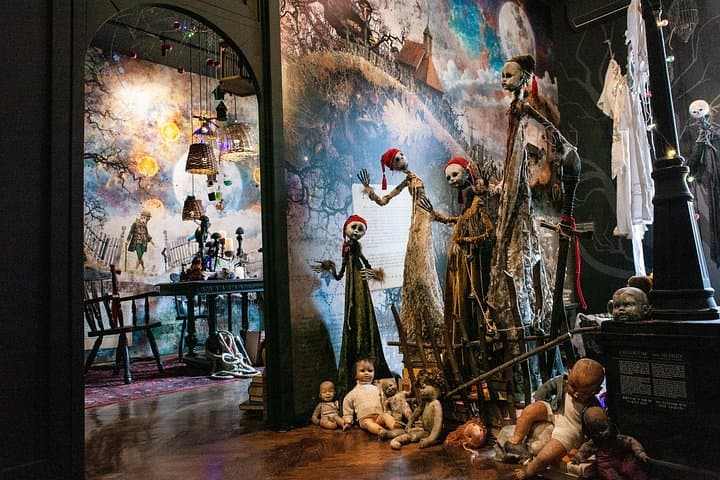
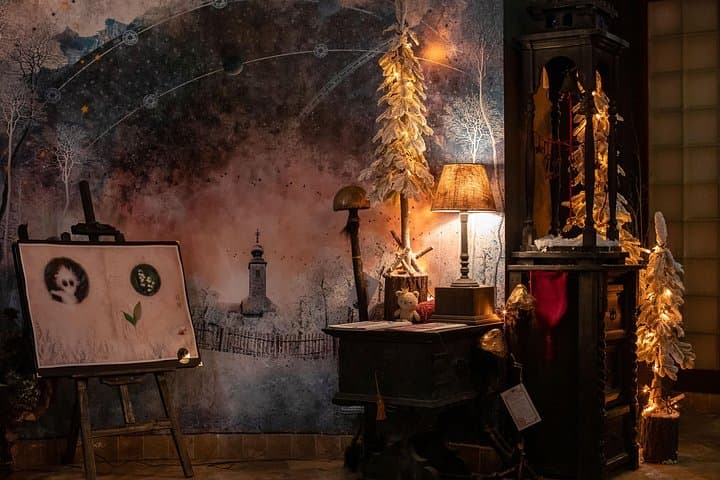
You step through a low-lit doorway and the city noise thins—voices from the past begin to speak. In the Museum of Lost Tales, carved figures lean from shadowed alcoves and narrated stories unfurl across the room, guiding you through Croatian oral tradition as if the storytellers themselves are still at the hearth.
You step through a low-lit doorway and the city noise thins—voices from the past begin to speak. In the Museum of Lost Tales, carved figures lean from shadowed alcoves and narrated stories unfurl across the room, guiding you through Croatian oral tradition as if the storytellers themselves are still at the hearth.
The exhibit traces centuries of regional myth: agrarian folktales shaped by karst fields and Adriatic winds, Slavic motifs braided with Ottoman and Austro-Hungarian influences. Panels and audio stations present more than 130 tales and four hours of recordings that reveal how landscape and history shaped local imagination—how river crossings, forested hills, and coastal trade routes created characters both protective and mischievous.
Culturally, the museum is part archive, part theater: the collection reclaims marginal tales and makes them accessible to families and researchers alike. Expect interpretive displays, recorded narrations in Croatian (often with translations), and tactile installations aimed at younger visitors.
Practically, plan 1–2 hours to move through at a relaxed pace, longer if you listen to every recording. The site is centrally located in Zagreb with public transport nearby and skip-the-line tickets available for peak days. Service animals are permitted; infants must sit on laps. Wear comfortable shoes for connecting walks through the historic center, bring headphones if you want private listening, and reserve tickets in advance during summer and festival weekends. The museum is an indoor refuge in winter and a calm cultural stop on warmer days—an efficient way to connect with Croatia’s storytelling roots without leaving the city.