THE ADVENTURE COLLECTIVE® · Independent discovery and booking for outdoor travel

Walk the oak and chestnut woods of the Luberon on a guided mushroom-foraging tour. Over three hours learn ID, harvest techniques and finish with a rustic Provençal aperitif.
Walk the oak and chestnut woods of the Luberon on a guided mushroom-foraging tour. Over three hours learn ID, harvest techniques and finish with a rustic Provençal aperitif.
The morning air in the Luberon bites with a cool sweetness as you step off a narrow lane into a patchwork of oak and chestnut woods. Damp leaves cling to boots and the guide—knife in hand—points out a cluster of ceps peeking from moss. For three hours you move through rolling hills, each bend promising a new shape: golden chanterelles on a south-facing slope, dark trumpets shadowed beneath holly.
Verified experiences and guided adventures in the surrounding area.
Operated by Les Pastras · Apt, Provence-Alpes-Côte d'Azur
The morning air in the Luberon bites with a cool sweetness as you step off a narrow lane into a patchwork of oak and chestnut woods. Damp leaves cling to boots and the guide—knife in hand—points out a cluster of ceps peeking from moss. For three hours you move through rolling hills, each bend promising a new shape: golden chanterelles on a south-facing slope, dark trumpets shadowed beneath holly.
Provençal foraging is rooted in centuries of rural practice. The Luberon’s limestone ridges and shallow soils favor mycorrhizal species—ceps and saffron milk cap among them—while human land use shaped the scattered oak stands where fungi thrive.
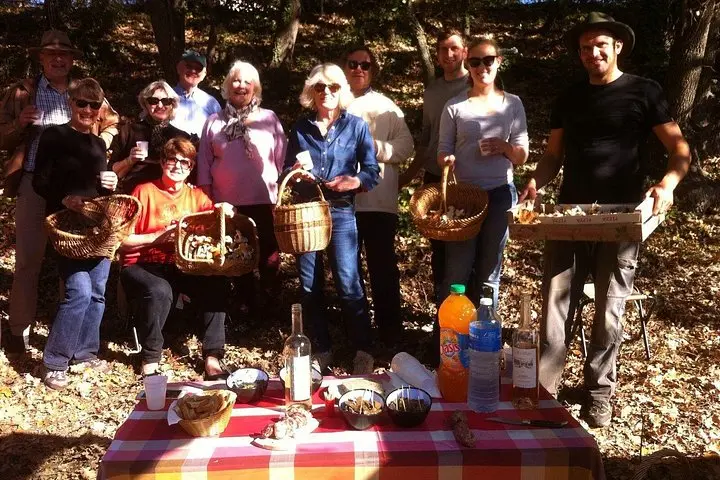
Cultural touches arrive at the trail’s end: a rustic aperitif of bread, pâté, tapenade, pickled wild mushrooms and local wine while stories about local harvest seasons and mushroom lore circulate. The outing is practical and hands-on—learn to ID ten common species and how to use a mushroom knife and basket respectfully.
Expect 3 hours of easy-to-moderate walking on uneven, often muddy trails; plan for roughly 3–5 km and 100–250 m total ascent depending on routes. Wear grippy, water-resistant shoes, layers for shifting mountain air, and bring a small pack for finds. Tours run mid-September to mid-November and are weather dependent; guides will cancel if conditions won’t produce mushrooms.
This is for curious outdoors-people who enjoy slow, attentive hiking, local food, and learning sustainable foraging. It’s less about speed than observation—let the forest call you forward and teach your hands what to look for.
Tours operate mid-September through mid-November, weather- and fungus-dependent; guides cancel if conditions won’t support a productive hunt.
Families are welcome but check with the operator—activities include knives and uneven terrain, so supervise younger kids closely.
Guides usually allow you to keep edible finds and serve pickled samples during the aperitif; always follow the guide’s advice before consuming anything.
No—these tours are designed for beginners and cover identification, safe harvesting techniques, and local rules.
Les Pastras operates guided outdoor trips and adventures with an emphasis on safety, stewardship, and memorable experiences.
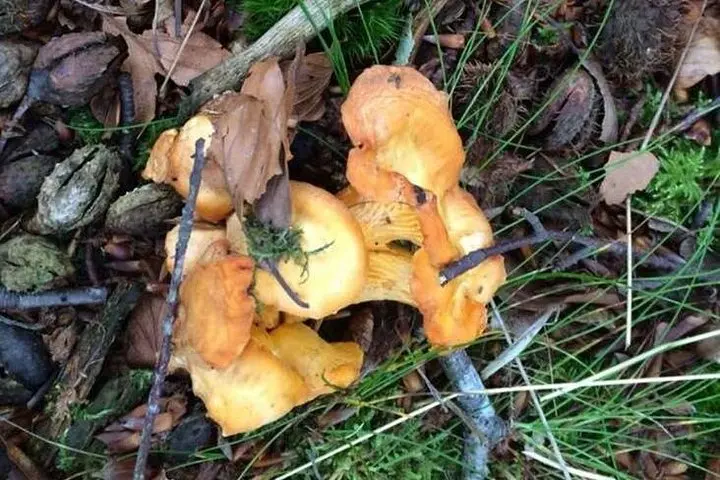
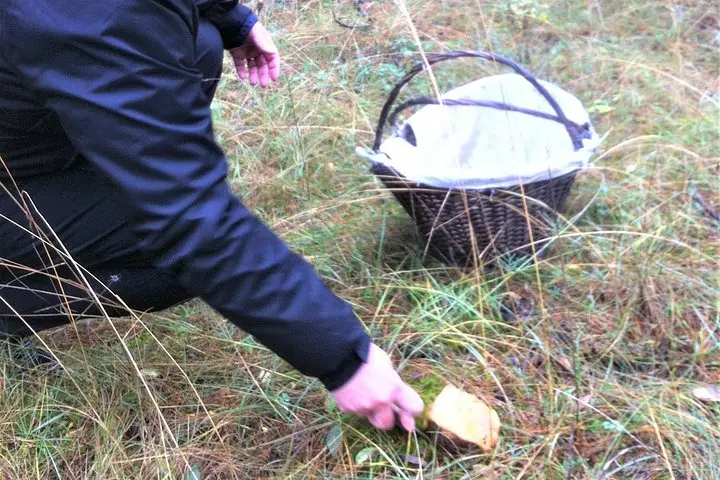
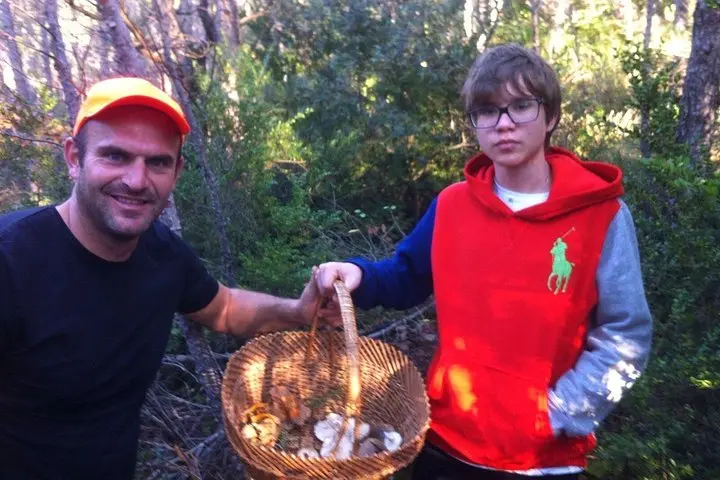
The morning air in the Luberon bites with a cool sweetness as you step off a narrow lane into a patchwork of oak and chestnut woods. Damp leaves cling to boots and the guide—knife in hand—points out a cluster of ceps peeking from moss. For three hours you move through rolling hills, each bend promising a new shape: golden chanterelles on a south-facing slope, dark trumpets shadowed beneath holly.
The morning air in the Luberon bites with a cool sweetness as you step off a narrow lane into a patchwork of oak and chestnut woods. Damp leaves cling to boots and the guide—knife in hand—points out a cluster of ceps peeking from moss. For three hours you move through rolling hills, each bend promising a new shape: golden chanterelles on a south-facing slope, dark trumpets shadowed beneath holly.
Provençal foraging is rooted in centuries of rural practice. The Luberon’s limestone ridges and shallow soils favor mycorrhizal species—ceps and saffron milk cap among them—while human land use shaped the scattered oak stands where fungi thrive.
Cultural touches arrive at the trail’s end: a rustic aperitif of bread, pâté, tapenade, pickled wild mushrooms and local wine while stories about local harvest seasons and mushroom lore circulate. The outing is practical and hands-on—learn to ID ten common species and how to use a mushroom knife and basket respectfully.
Expect 3 hours of easy-to-moderate walking on uneven, often muddy trails; plan for roughly 3–5 km and 100–250 m total ascent depending on routes. Wear grippy, water-resistant shoes, layers for shifting mountain air, and bring a small pack for finds. Tours run mid-September to mid-November and are weather dependent; guides will cancel if conditions won’t produce mushrooms.
This is for curious outdoors-people who enjoy slow, attentive hiking, local food, and learning sustainable foraging. It’s less about speed than observation—let the forest call you forward and teach your hands what to look for.