THE ADVENTURE COLLECTIVE® · Independent discovery and booking for outdoor travel

A concise three-day loop from Dehradun to Mussoorie that mixes cool ridge-top views, colonial-era sites, and a splash at Kempty Falls. Practical tips for timing, gear, and what to expect on narrow mountain roads.
A concise three-day loop from Dehradun to Mussoorie that mixes cool ridge-top views, colonial-era sites, and a splash at Kempty Falls. Practical tips for timing, gear, and what to expect on narrow mountain roads.
You arrive in Dehradun and the low, humid plain gives way as the road climbs—pine and oak lean in like curious hosts while the Mall’s string of shops waits on the ridge. By afternoon the town opens out: narrow lanes, colonial stonework, and a lens-clear view of the lower Himalaya that seems to push the horizon higher.
Verified experiences and guided adventures in the surrounding area.
Operated by Agora Voyages Pvt. Ltd. · Mussoorie, Uttarakhand
You arrive in Dehradun and the low, humid plain gives way as the road climbs—pine and oak lean in like curious hosts while the Mall’s string of shops waits on the ridge. By afternoon the town opens out: narrow lanes, colonial stonework, and a lens-clear view of the lower Himalaya that seems to push the horizon higher.
Mussoorie’s story is part colonial hill-station, part Himalayan foothill community. Geologically the town sits on the Lesser Himalaya’s folded ridges; weathered sandstone and shale create the steep, forested slopes that cradle waterfalls like Kempty. Culturally you’ll notice Anglo-Indian era buildings, Tibetan market stalls, and small tea shops where hikers and locals compare routes.
Over three days the itinerary balances gentle sightseeing—The Mall, Gun Hill, Sir George Everest’s House, Lal Tibba—and short walks to viewpoints and Kempty Falls. Landour, a quieter sister town, offers older stone cottages and a slower pace. Wildlife is discreet but present: langurs and a variety of hill birds keep the slopes lively.
Practical guidance: plan for temperature shifts—mornings can be crisp even in summer. Wear sturdy walking shoes; bring layered clothing, a refillable water bottle, and a small daypack for walks. Expect short drives of 35–45 km from Dehradun to Mussoorie, narrow winding roads, and modest acclimatization needs. Book hotels in advance during peak season (April–June and October), and leave extra time for traffic on approach roads—Mussoorie rewards patience with wide mountain views and a calm, walkable center.
No special permits are required for standard sightseeing; some specific attractions like telescopes or private museums may charge small entrance fees.
The transfer is about 35–45 km and typically takes 1–1.5 hours depending on traffic and road conditions.
Yes—the itinerary is low intensity with vehicle transfers and short walks; inform the operator about any mobility needs so they can assist.
Late autumn (October–November) and spring (March–May) generally offer the clearest visibility of Himalayan peaks.
Agora Voyages Pvt. Ltd. operates guided outdoor trips and adventures with an emphasis on safety, stewardship, and memorable experiences.
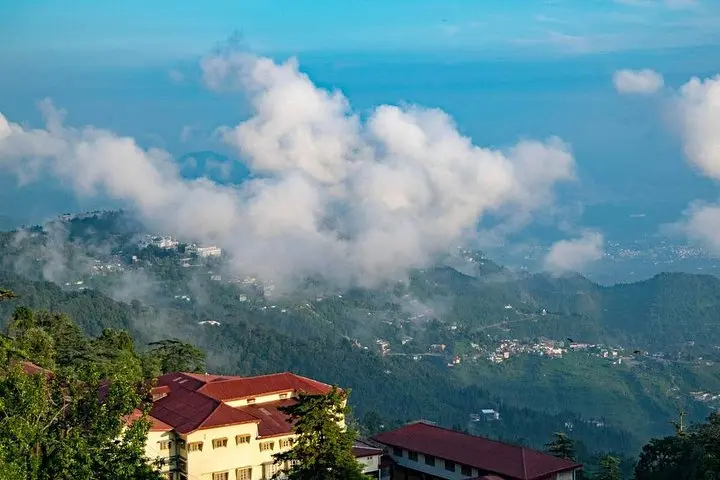
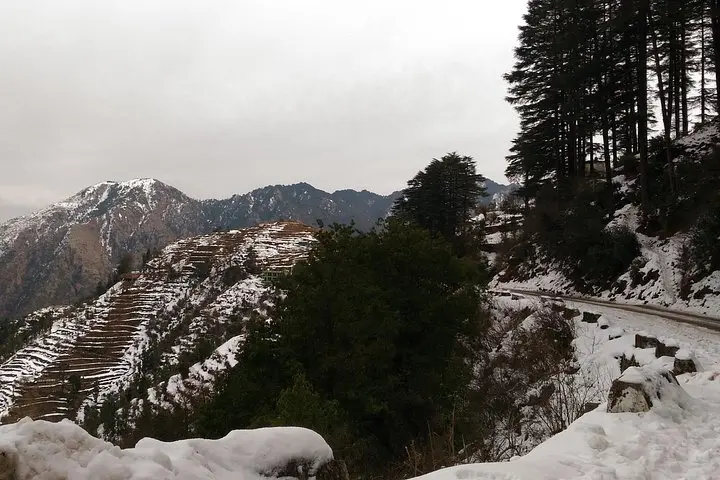
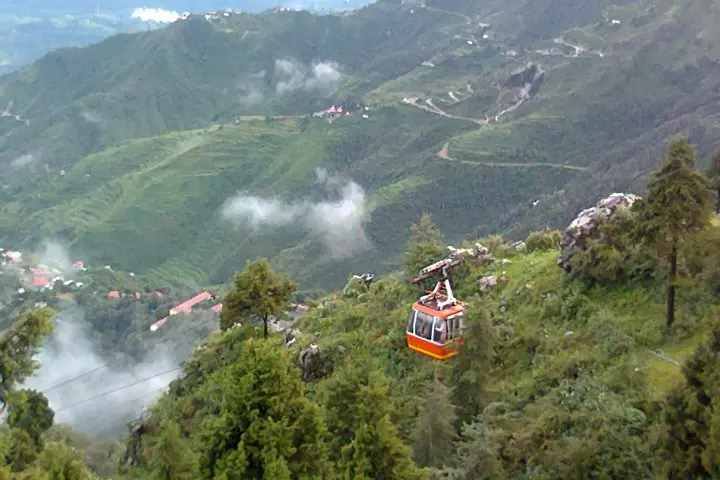
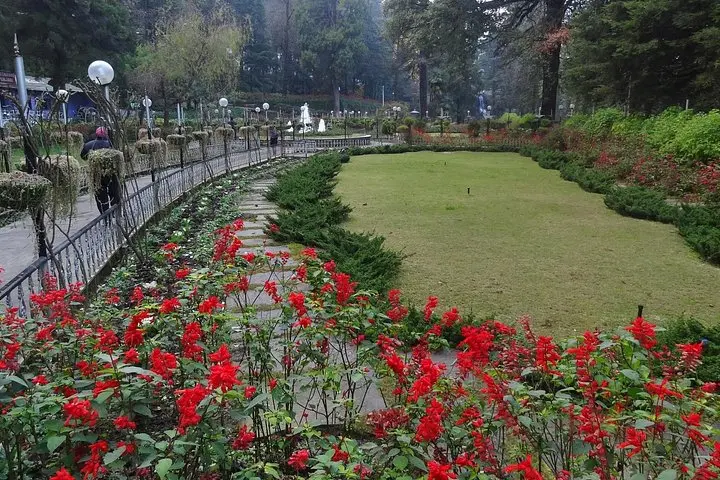
You arrive in Dehradun and the low, humid plain gives way as the road climbs—pine and oak lean in like curious hosts while the Mall’s string of shops waits on the ridge. By afternoon the town opens out: narrow lanes, colonial stonework, and a lens-clear view of the lower Himalaya that seems to push the horizon higher.
You arrive in Dehradun and the low, humid plain gives way as the road climbs—pine and oak lean in like curious hosts while the Mall’s string of shops waits on the ridge. By afternoon the town opens out: narrow lanes, colonial stonework, and a lens-clear view of the lower Himalaya that seems to push the horizon higher.
Mussoorie’s story is part colonial hill-station, part Himalayan foothill community. Geologically the town sits on the Lesser Himalaya’s folded ridges; weathered sandstone and shale create the steep, forested slopes that cradle waterfalls like Kempty. Culturally you’ll notice Anglo-Indian era buildings, Tibetan market stalls, and small tea shops where hikers and locals compare routes.
Over three days the itinerary balances gentle sightseeing—The Mall, Gun Hill, Sir George Everest’s House, Lal Tibba—and short walks to viewpoints and Kempty Falls. Landour, a quieter sister town, offers older stone cottages and a slower pace. Wildlife is discreet but present: langurs and a variety of hill birds keep the slopes lively.
Practical guidance: plan for temperature shifts—mornings can be crisp even in summer. Wear sturdy walking shoes; bring layered clothing, a refillable water bottle, and a small daypack for walks. Expect short drives of 35–45 km from Dehradun to Mussoorie, narrow winding roads, and modest acclimatization needs. Book hotels in advance during peak season (April–June and October), and leave extra time for traffic on approach roads—Mussoorie rewards patience with wide mountain views and a calm, walkable center.