THE ADVENTURE COLLECTIVE® · Independent discovery and booking for outdoor travel

Glide narrow mangrove channels at dawn and watch pelicans, herons and other waterbirds edge into view. This three‑hour guided boat ride through Muthurajawela offers intimate wetland wildlife viewing with local naturalists and practical, low‑impact boat travel.
Glide narrow mangrove channels at dawn and watch pelicans, herons and other waterbirds edge into view. This three‑hour guided boat ride through Muthurajawela offers intimate wetland wildlife viewing with local naturalists and practical, low‑impact boat travel.
The boat slips forward before sunrise, mangrove roots brushing the hull as shouts of common terns and the hollow call of a heron break the stillness. Salt-scented air and the low light reveal fringes of palms and marsh grasses; the guide leans forward, finger raised, pointing to a silhouette that resolves into a spot-billed pelican.
Verified experiences and guided adventures in the surrounding area.
Operated by Lakpura LLC · Mount Lavinia, Western Province
The boat slips forward before sunrise, mangrove roots brushing the hull as shouts of common terns and the hollow call of a heron break the stillness. Salt-scented air and the low light reveal fringes of palms and marsh grasses; the guide leans forward, finger raised, pointing to a silhouette that resolves into a spot-billed pelican.
Muthurajawela is one of Sri Lanka’s largest coastal wetlands—a mix of tidal lagoons, peat bogs and mangrove channels formed where river sediments meet the sea. The marsh has long supported local fishers and, since protection measures in the late 20th century, has become a crucial sanctuary for resident and migratory waterbirds. Culturally, visits thread through village life: small boatyards, reed-cutting and the informal lore of bird names passed between generations.
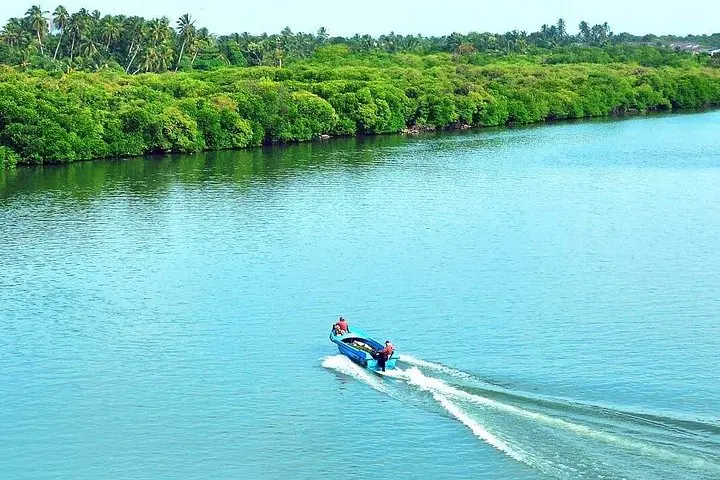
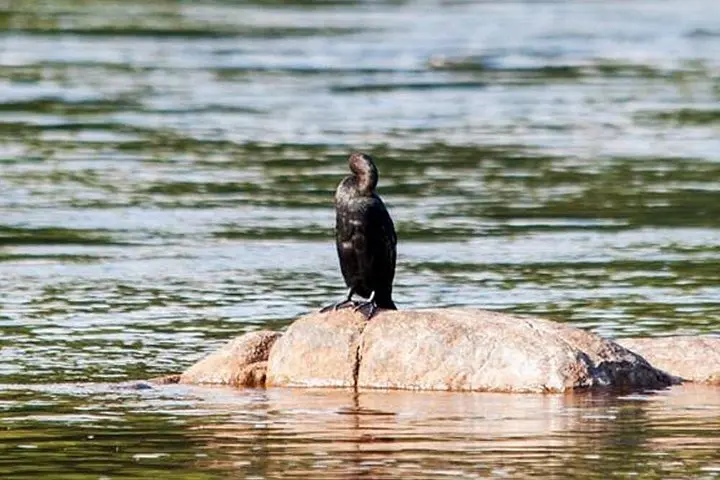
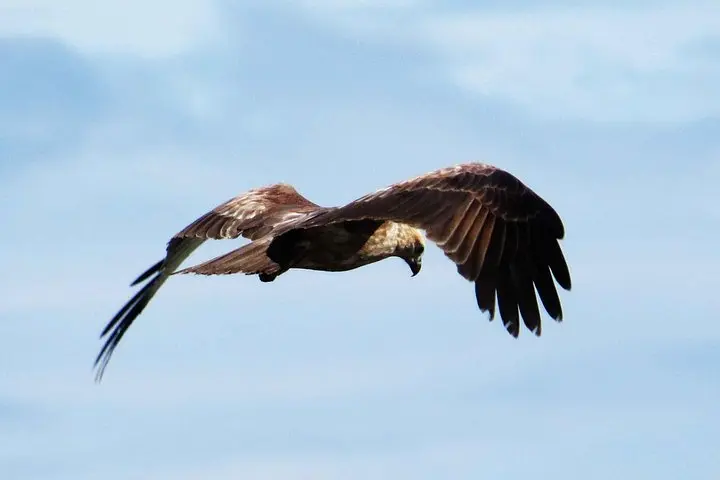
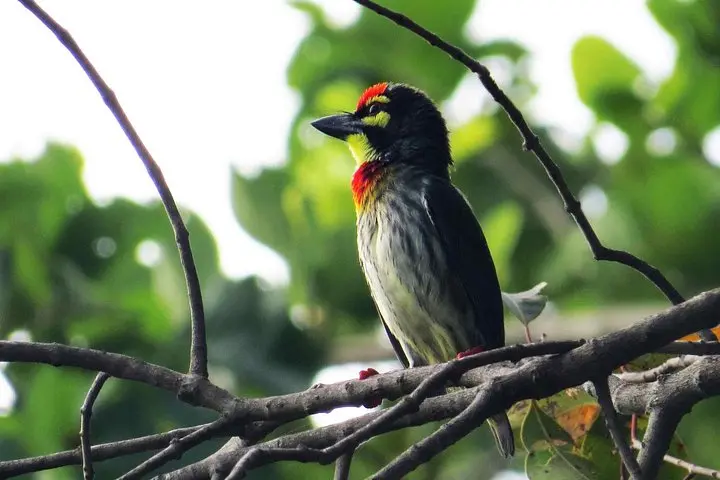
On a guided three‑hour boat ride you’ll move slowly through narrow creeks, watching waterbirds fish, preen and roost. Morning departures increase chances of sighting rarer species; afternoons offer softer light and calmer heat. Expect shallow, narrow channels, low overhanging vegetation and occasional muddy banks where wading birds forage.
Practical notes: bring binoculars, sun protection and insect repellent; light layers are useful for early-morning chill that gives way to tropical warmth. Tours operate weather‑dependent—avoid heavy monsoon days—and require moderate mobility to board small boats. Respect the guide’s distance rules to limit disturbance and carry water on board.
This is an accessible wildlife outing: quiet observation, close riverine views and a lesson in why wetlands matter, delivered from the low deck of a local boat.
The guided tour runs about three hours, with pickup and drop-off logistics depending on the operator.
Yes—Muthurajawela regularly hosts spot-billed pelicans, painted storks and a range of herons and egrets, though sightings vary by season and tide.
Generally yes—boats are small but stable; those with limited mobility should notify the operator beforehand and use caution boarding.
Tours are weather-dependent; operators may reschedule or cancel for heavy rain or unsafe conditions—confirm their cancellation policy and check forecasts.
Lakpura LLC operates guided outdoor trips and adventures with an emphasis on safety, stewardship, and memorable experiences.
The boat slips forward before sunrise, mangrove roots brushing the hull as shouts of common terns and the hollow call of a heron break the stillness. Salt-scented air and the low light reveal fringes of palms and marsh grasses; the guide leans forward, finger raised, pointing to a silhouette that resolves into a spot-billed pelican.
The boat slips forward before sunrise, mangrove roots brushing the hull as shouts of common terns and the hollow call of a heron break the stillness. Salt-scented air and the low light reveal fringes of palms and marsh grasses; the guide leans forward, finger raised, pointing to a silhouette that resolves into a spot-billed pelican.
Muthurajawela is one of Sri Lanka’s largest coastal wetlands—a mix of tidal lagoons, peat bogs and mangrove channels formed where river sediments meet the sea. The marsh has long supported local fishers and, since protection measures in the late 20th century, has become a crucial sanctuary for resident and migratory waterbirds. Culturally, visits thread through village life: small boatyards, reed-cutting and the informal lore of bird names passed between generations.
On a guided three‑hour boat ride you’ll move slowly through narrow creeks, watching waterbirds fish, preen and roost. Morning departures increase chances of sighting rarer species; afternoons offer softer light and calmer heat. Expect shallow, narrow channels, low overhanging vegetation and occasional muddy banks where wading birds forage.
Practical notes: bring binoculars, sun protection and insect repellent; light layers are useful for early-morning chill that gives way to tropical warmth. Tours operate weather‑dependent—avoid heavy monsoon days—and require moderate mobility to board small boats. Respect the guide’s distance rules to limit disturbance and carry water on board.
This is an accessible wildlife outing: quiet observation, close riverine views and a lesson in why wetlands matter, delivered from the low deck of a local boat.