THE ADVENTURE COLLECTIVE® · Independent discovery and booking for outdoor travel

Float through Sri Lanka’s largest coastal marsh and watch kingfishers, egrets and ibises from a low boat as expert naturalists interpret the habitat. This 2–5 hour outing from Colombo or Negombo blends easy paddling and patient birding.
Float through Sri Lanka’s largest coastal marsh and watch kingfishers, egrets and ibises from a low boat as expert naturalists interpret the habitat. This 2–5 hour outing from Colombo or Negombo blends easy paddling and patient birding.
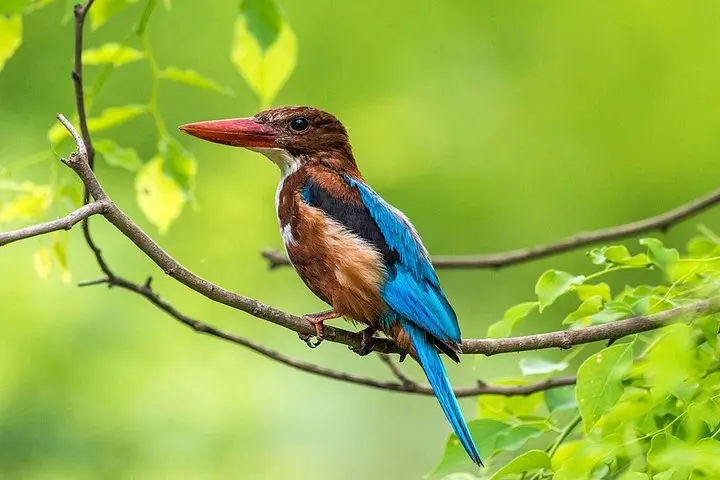
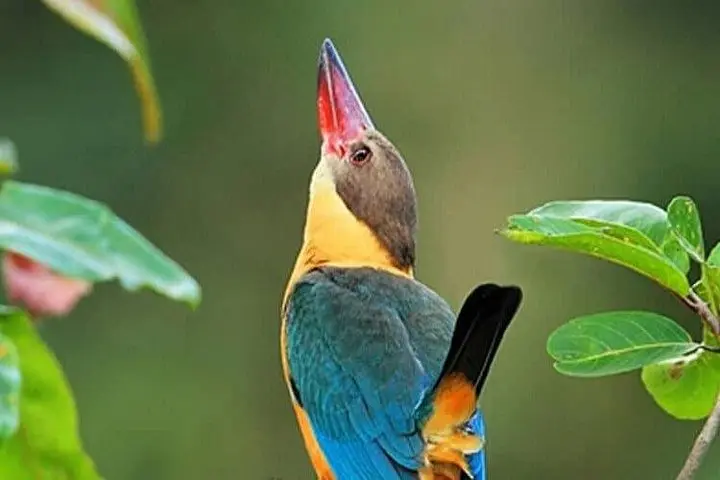
The boat slips forward and the mangroves close in like an audience leaning in — roots braided into the water, kingfishers flashing like thrown paint. Quiet channels thread through tall salt-tolerant grasses; every ripple and call announces another shy resident of Muthurajawela.
Verified experiences and guided adventures in the surrounding area.
Operated by Sigiritrip Tours · Negombo, Western Province
The boat slips forward and the mangroves close in like an audience leaning in — roots braided into the water, kingfishers flashing like thrown paint. Quiet channels thread through tall salt-tolerant grasses; every ripple and call announces another shy resident of Muthurajawela.
Muthurajawela is Sri Lanka’s largest saline coastal peat bog, a marsh-lagoon complex that has persisted for millennia. Formed by tidal flows and coastal sedimentation, the marsh feeds into Negombo Lagoon and has been protected as a sanctuary since 1996. Local fisherfolk and conservationists share a long relationship with the wetland; boat tours led by naturalists focus on birds, ecology and the human practices that sustain this landscape.
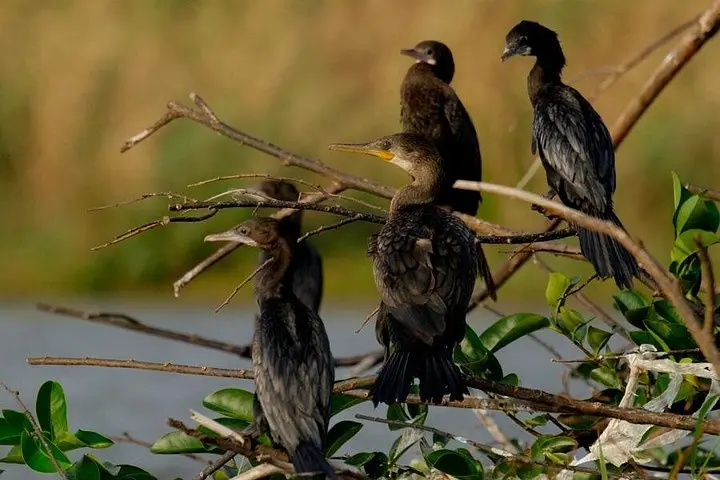
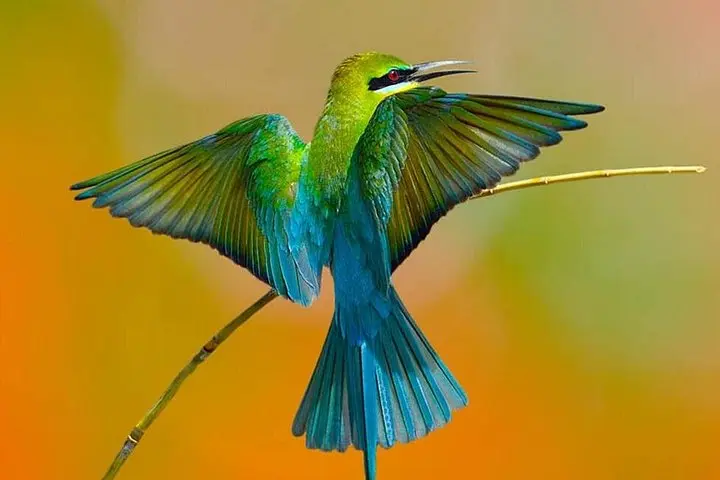
Expect to see egrets, cormorants, black-headed ibis and several kingfisher species, with seasonal visitors like marsh terns. The terrain is flat but water-driven: travel happens by small boat through narrow channels, so the experience is about quiet observation, close-up looks, and photography from low angles.
Practical guidance: tours run 2–5 hours and typically include pickup from Colombo or Negombo, bottled water and life jackets. Morning light is best for bird activity and photos; late afternoon offers warm light and fewer boats. Wear quick-dry clothing, insect repellent and non-slip shoes; bring binoculars and a lens in the 200–400mm range if you want detailed shots.
Respect the marsh: stay with your guide, avoid loud noises and do not feed wildlife. The marsh is fragile — small actions help keep this place alive for birds and communities alike.
Tours last between 2 and 5 hours depending on the option; most include private pickup/drop-off from Colombo or Negombo and an air-conditioned vehicle.
Yes — boats are low but steady; operations note the tour is physically easy and accessible, with infant seats and wheelchair-accessible transport available on request.
Common sightings include kingfishers, egrets, cormorants, black-headed ibis and marsh terns; migratory species visit seasonally, increasing diversity between November and March.
Visitors must follow guides, avoid entering vegetation, wear life jackets, and not feed wildlife; some sanctuary zones are off-limits to protect breeding birds.
Sigiritrip Tours operates guided outdoor trips and adventures with an emphasis on safety, stewardship, and memorable experiences.
The boat slips forward and the mangroves close in like an audience leaning in — roots braided into the water, kingfishers flashing like thrown paint. Quiet channels thread through tall salt-tolerant grasses; every ripple and call announces another shy resident of Muthurajawela.
The boat slips forward and the mangroves close in like an audience leaning in — roots braided into the water, kingfishers flashing like thrown paint. Quiet channels thread through tall salt-tolerant grasses; every ripple and call announces another shy resident of Muthurajawela.
Muthurajawela is Sri Lanka’s largest saline coastal peat bog, a marsh-lagoon complex that has persisted for millennia. Formed by tidal flows and coastal sedimentation, the marsh feeds into Negombo Lagoon and has been protected as a sanctuary since 1996. Local fisherfolk and conservationists share a long relationship with the wetland; boat tours led by naturalists focus on birds, ecology and the human practices that sustain this landscape.
Expect to see egrets, cormorants, black-headed ibis and several kingfisher species, with seasonal visitors like marsh terns. The terrain is flat but water-driven: travel happens by small boat through narrow channels, so the experience is about quiet observation, close-up looks, and photography from low angles.
Practical guidance: tours run 2–5 hours and typically include pickup from Colombo or Negombo, bottled water and life jackets. Morning light is best for bird activity and photos; late afternoon offers warm light and fewer boats. Wear quick-dry clothing, insect repellent and non-slip shoes; bring binoculars and a lens in the 200–400mm range if you want detailed shots.
Respect the marsh: stay with your guide, avoid loud noises and do not feed wildlife. The marsh is fragile — small actions help keep this place alive for birds and communities alike.