THE ADVENTURE COLLECTIVE® · Independent discovery and booking for outdoor travel

Slip from Colombo’s bustle into a narrow boat and glide through Muthurajawela’s mangrove labyrinth, where resident and migratory birds line the channels. This compact wetland tour delivers close sightings, local color and a readable introduction to Sri Lanka’s coastal ecology.
Slip from Colombo’s bustle into a narrow boat and glide through Muthurajawela’s mangrove labyrinth, where resident and migratory birds line the channels. This compact wetland tour delivers close sightings, local color and a readable introduction to Sri Lanka’s coastal ecology.
Morning light strips the lagoon into bands of silver as a tuk-tuk bounces away from Colombo Harbour toward Muthurajawela. You step from the roadside into a narrow gangway, the air thick with brackish scent and the close, insistent calls of birds; a small motor boat threads the mangrove roots and the marsh opens like a living map.
Verified experiences and guided adventures in the surrounding area.
Operated by Colombo Shore Excursions by BE · Negombo, Western Province
Morning light strips the lagoon into bands of silver as a tuk-tuk bounces away from Colombo Harbour toward Muthurajawela. You step from the roadside into a narrow gangway, the air thick with brackish scent and the close, insistent calls of birds; a small motor boat threads the mangrove roots and the marsh opens like a living map.
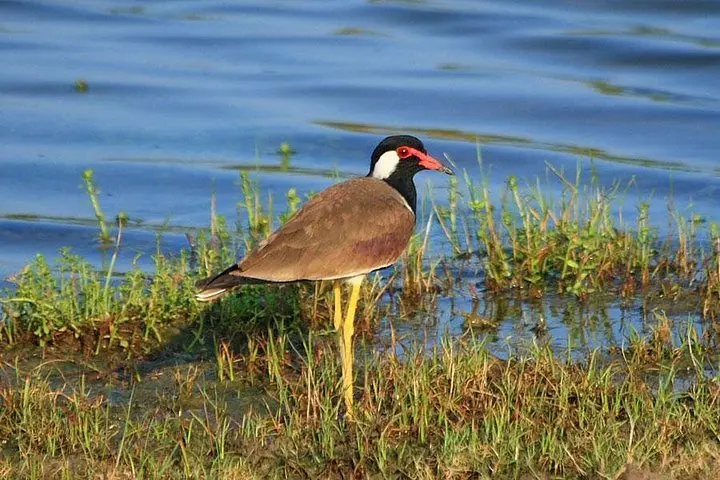
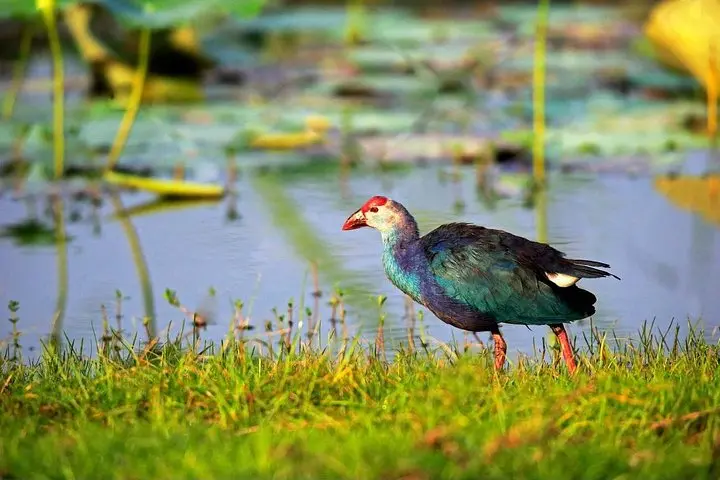
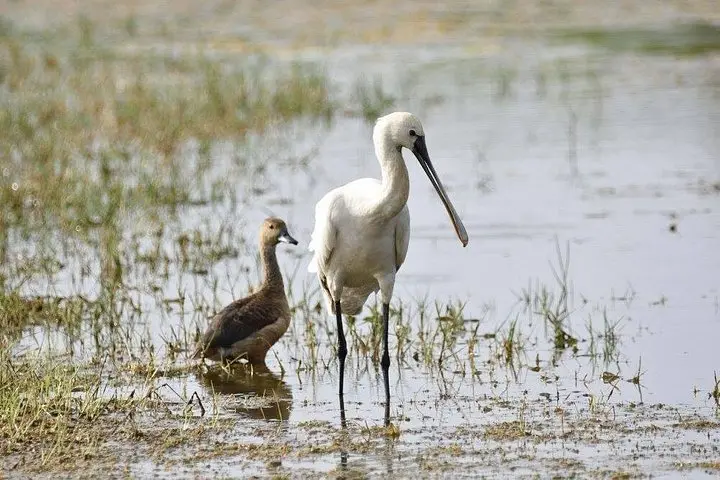
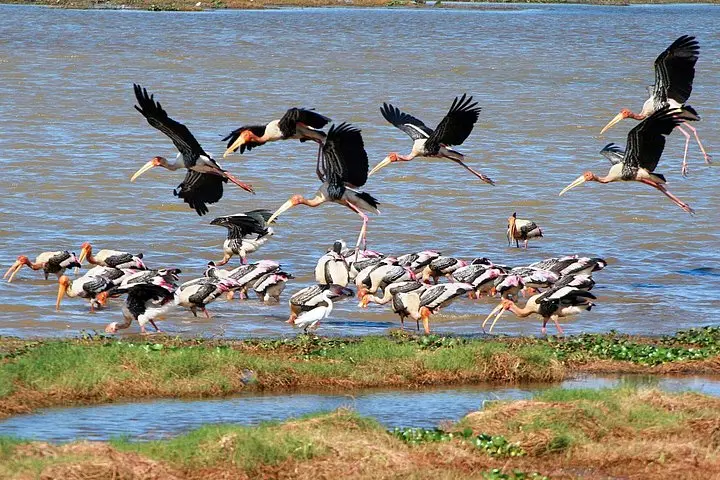
The Muthurajawela wetland—literally the “Swamp of Royal Treasure”—is a coastal peat and mangrove complex formed by Holocene sediments and tidal flows from the Negombo Lagoon. Its shallow channels and islands of peat support diverse flora and a mix of resident and migratory birds: kingfishers, herons, egrets and migrant waders that follow Sri Lanka’s seasonal currents. Local fishermen and reed-cutters have worked these channels for generations, shaping a cultural landscape as much as an ecological one.
Expect close, quiet viewing from a low-profile boat and short walks along raised footpaths where mangrove roots lace the mud. Guides point out feeding behaviors, nesting sites and the fiddler crabs that prod the shoreline; you may also glimpse young crocodiles warming on muddy banks.
Practical guide: tours run about five hours from Colombo harbour, suitable for all fitness levels; bring binoculars, sun protection and a waterproof jacket during the monsoon months. Photography is best in the softer morning light; move slowly and keep voices low to avoid flushing birds. The route is shallow and sheltered—an accessible, compact wetland safari that rewards patience and attention.
Pickup and tuk-tuk transfer typically take about 45–60 minutes depending on traffic and departure point in the harbour.
Small, juvenile crocodiles are sometimes visible sunning on mud banks; larger animals are uncommon in the channels visited by tour boats.
Yes—paths are short and the boat ride is gentle, but notify the operator of mobility concerns so they can assist boarding.
Light refreshments are included on the tour; bring water and any personal snacks for longer days or hot weather.
Colombo Shore Excursions by BE operates guided outdoor trips and adventures with an emphasis on safety, stewardship, and memorable experiences.
Morning light strips the lagoon into bands of silver as a tuk-tuk bounces away from Colombo Harbour toward Muthurajawela. You step from the roadside into a narrow gangway, the air thick with brackish scent and the close, insistent calls of birds; a small motor boat threads the mangrove roots and the marsh opens like a living map.
Morning light strips the lagoon into bands of silver as a tuk-tuk bounces away from Colombo Harbour toward Muthurajawela. You step from the roadside into a narrow gangway, the air thick with brackish scent and the close, insistent calls of birds; a small motor boat threads the mangrove roots and the marsh opens like a living map.
The Muthurajawela wetland—literally the “Swamp of Royal Treasure”—is a coastal peat and mangrove complex formed by Holocene sediments and tidal flows from the Negombo Lagoon. Its shallow channels and islands of peat support diverse flora and a mix of resident and migratory birds: kingfishers, herons, egrets and migrant waders that follow Sri Lanka’s seasonal currents. Local fishermen and reed-cutters have worked these channels for generations, shaping a cultural landscape as much as an ecological one.
Expect close, quiet viewing from a low-profile boat and short walks along raised footpaths where mangrove roots lace the mud. Guides point out feeding behaviors, nesting sites and the fiddler crabs that prod the shoreline; you may also glimpse young crocodiles warming on muddy banks.
Practical guide: tours run about five hours from Colombo harbour, suitable for all fitness levels; bring binoculars, sun protection and a waterproof jacket during the monsoon months. Photography is best in the softer morning light; move slowly and keep voices low to avoid flushing birds. The route is shallow and sheltered—an accessible, compact wetland safari that rewards patience and attention.