THE ADVENTURE COLLECTIVE® · Independent discovery and booking for outdoor travel

Float through mangrove corridors where kingfishers and waders gather—Muthurajawela’s two‑hour guided boat tour offers close-up birding, local ecological insight and a calm morning on one of Sri Lanka’s priority wetlands. Learn when to go, what to bring, and what to watch for.
Float through mangrove corridors where kingfishers and waders gather—Muthurajawela’s two‑hour guided boat tour offers close-up birding, local ecological insight and a calm morning on one of Sri Lanka’s priority wetlands. Learn when to go, what to bring, and what to watch for.
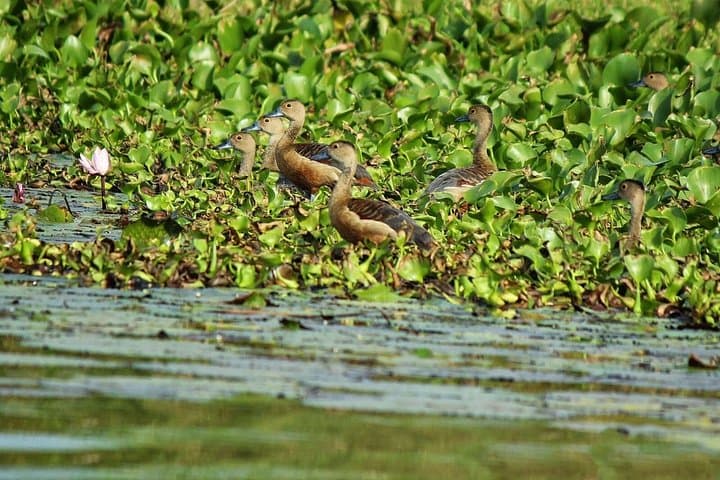
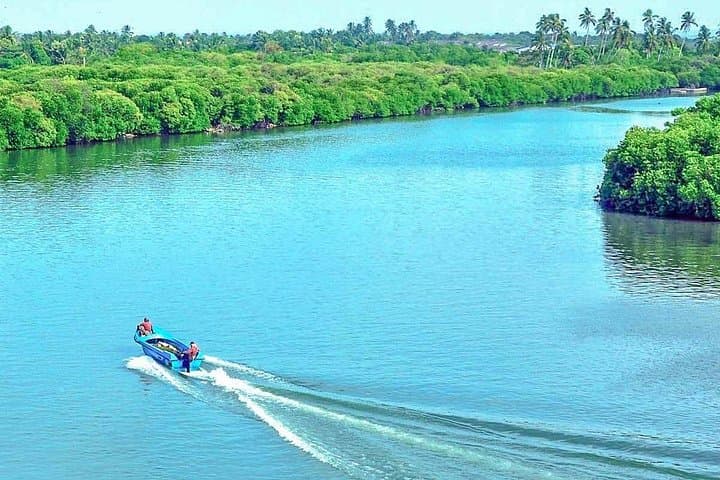
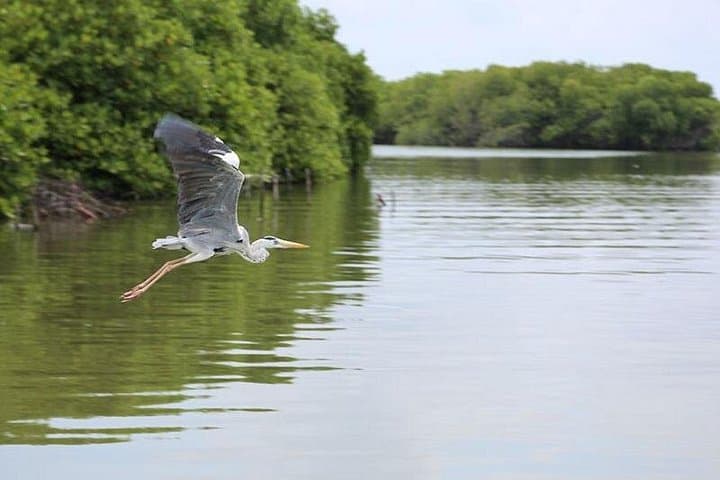
Dawn pulls a cool breath across the glassy channels of Muthurajawela as a low wooden boat parts the reeds and mangroves. The tide nudges the hull and the wetlands answer with calls—waders staking out mudflats, kingfishers flashing like thrown jewels, and the slow blink of a water monitor on a mud bank. You feel the marsh moving around you; the mangroves seem to lean in, guiding the boat toward open pools where birds concentrate.
Verified experiences and guided adventures in the surrounding area.
Operated by Overa Tours · Negombo, Western Province
Dawn pulls a cool breath across the glassy channels of Muthurajawela as a low wooden boat parts the reeds and mangroves. The tide nudges the hull and the wetlands answer with calls—waders staking out mudflats, kingfishers flashing like thrown jewels, and the slow blink of a water monitor on a mud bank. You feel the marsh moving around you; the mangroves seem to lean in, guiding the boat toward open pools where birds concentrate.
This marshland—one of Sri Lanka’s 12 priority wetlands—has been forming for roughly 7,000 years. Its mix of freshwater streams, tidal creeks and dense mangrove forest creates a layered habitat: peat and alluvium meet tidal silt, supporting more than 192 plant species, 209 animal species and over 100 bird species. The area has long been important to local fishing communities and functions as a living carbon sink and nursery for coastal life.
The typical tour begins with a 7:00 AM tuk‑tuk pickup from Negombo or Colombo, a short transfer to the launch point and a two‑hour guided boat ride through narrow channels and open lagoons. Guides point out slender loris sightings, resident and migratory birds, and explain the wetland’s role in flood control and fisheries.
Practical notes: mornings are best for bird activity and calm water; bring binoculars, insect repellent, sun protection and a waterproof bag for cameras. The trip is physically easy but not recommended for those with serious back or heart conditions or pregnant travelers. Expect light refreshments, hotel pickup by tuk‑tuk and a return to your hotel by late morning—an accessible, immersive stretch of Sri Lanka’s wild coastline.
The guided boat segment is approximately two hours within a 150‑minute tour that includes transfers and a short briefing.
Yes—infants must sit on an adult’s lap; the activity is generally family friendly but not recommended for those with severe back, heart problems or pregnant travelers.
Early morning—around sunrise to mid‑morning—offers the highest bird activity and calmer water for clearer sightings.
Yes; pickup and drop‑off are provided by tuk‑tuk from most centrally located hotels in Negombo and Colombo as noted in the tour inclusions.
Overa Tours operates guided outdoor trips and adventures with an emphasis on safety, stewardship, and memorable experiences.

Dawn pulls a cool breath across the glassy channels of Muthurajawela as a low wooden boat parts the reeds and mangroves. The tide nudges the hull and the wetlands answer with calls—waders staking out mudflats, kingfishers flashing like thrown jewels, and the slow blink of a water monitor on a mud bank. You feel the marsh moving around you; the mangroves seem to lean in, guiding the boat toward open pools where birds concentrate.
Dawn pulls a cool breath across the glassy channels of Muthurajawela as a low wooden boat parts the reeds and mangroves. The tide nudges the hull and the wetlands answer with calls—waders staking out mudflats, kingfishers flashing like thrown jewels, and the slow blink of a water monitor on a mud bank. You feel the marsh moving around you; the mangroves seem to lean in, guiding the boat toward open pools where birds concentrate.
This marshland—one of Sri Lanka’s 12 priority wetlands—has been forming for roughly 7,000 years. Its mix of freshwater streams, tidal creeks and dense mangrove forest creates a layered habitat: peat and alluvium meet tidal silt, supporting more than 192 plant species, 209 animal species and over 100 bird species. The area has long been important to local fishing communities and functions as a living carbon sink and nursery for coastal life.
The typical tour begins with a 7:00 AM tuk‑tuk pickup from Negombo or Colombo, a short transfer to the launch point and a two‑hour guided boat ride through narrow channels and open lagoons. Guides point out slender loris sightings, resident and migratory birds, and explain the wetland’s role in flood control and fisheries.
Practical notes: mornings are best for bird activity and calm water; bring binoculars, insect repellent, sun protection and a waterproof bag for cameras. The trip is physically easy but not recommended for those with serious back or heart conditions or pregnant travelers. Expect light refreshments, hotel pickup by tuk‑tuk and a return to your hotel by late morning—an accessible, immersive stretch of Sri Lanka’s wild coastline.