THE ADVENTURE COLLECTIVE® · Independent discovery and booking for outdoor travel

See two of Beijing’s signature out-of-town sights in a single day: the stately Ming Tombs and the verdant, watchtower-lined Mutianyu section of the Great Wall. This private tour includes cable car ascent, a toboggan descent, lunch, and hotel pickup for a straightforward, history-rich outing.
See two of Beijing’s signature out-of-town sights in a single day: the stately Ming Tombs and the verdant, watchtower-lined Mutianyu section of the Great Wall. This private tour includes cable car ascent, a toboggan descent, lunch, and hotel pickup for a straightforward, history-rich outing.
Morning light slices through Beijing’s winter haze as a private van eases out of the city toward rolling hills and stone ramparts. By midmorning the Sacred Way appears: a procession of carved guardian statues leading to Changling, one of the best-preserved Ming Tombs. The mausoleum complex gives a compact primer on imperial ritual—stone stele, carved lions, and an understated museum that places those 13 emperors in context.
Verified experiences and guided adventures in the surrounding area.
Operated by MoreFunAsia Beijing Tours · Beijing, Beijing
Morning light slices through Beijing’s winter haze as a private van eases out of the city toward rolling hills and stone ramparts. By midmorning the Sacred Way appears: a procession of carved guardian statues leading to Changling, one of the best-preserved Ming Tombs. The mausoleum complex gives a compact primer on imperial ritual—stone stele, carved lions, and an understated museum that places those 13 emperors in context.
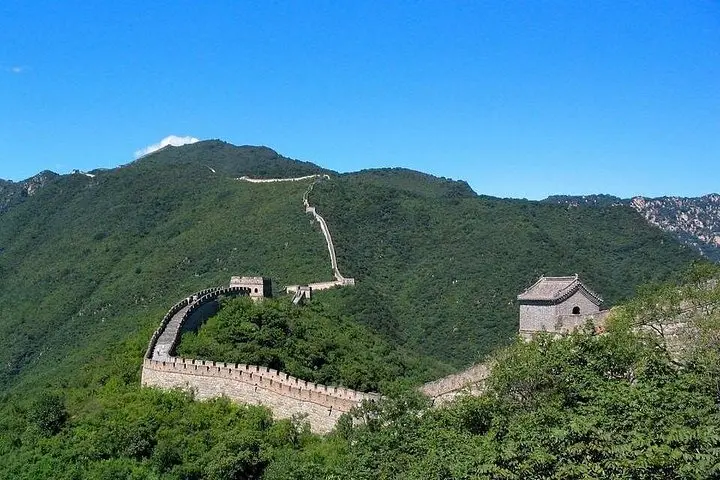
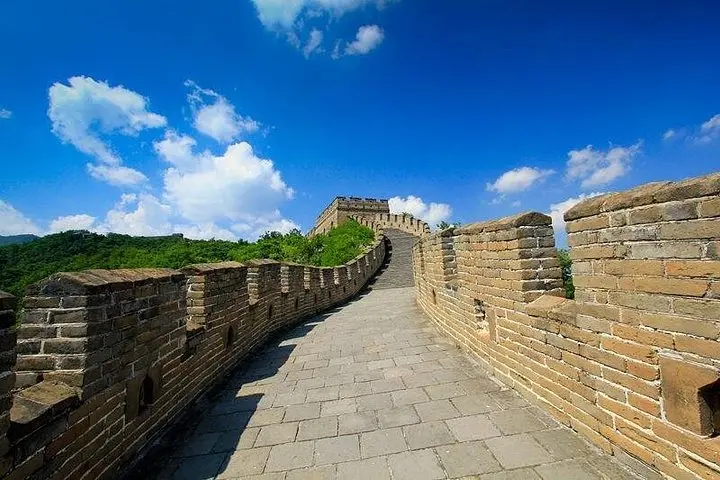
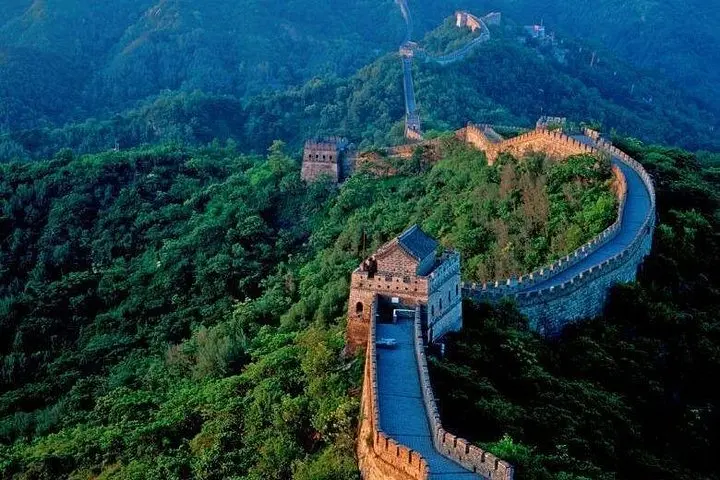
After lunch the road climbs into the forested slopes of Mutianyu. The Great Wall here rises and falls like an old spine, watchtowers punctuating ribs of granite. Vegetation pushes at the stones in spring and summer; in autumn the wall stands against gold and red slopes; winter wraps it in clean silence. Mutianyu’s current form was reinforced during the Ming dynasty, though its origins reach back earlier; its rebuilding reflects both military logic and local geology—granite outcrops shaped into defensive terraces.
Visitors can save time and energy: a cable car carries you up, and a wheeled toboggan rockets you down a zigzag track, turning descent into an element of the day’s fun. The guide highlights structural details and local food culture during breaks, and the pace stays moderate—enough walking on stone steps and uneven footing to feel earned without being exhausting.
Practical notes: bring layered clothing, sturdy shoes, sun protection, and a refillable water bottle. Aim for early start times to avoid busier afternoons; keep to marked paths to protect fragile masonry and surrounding forest.
Yes — this tour includes the cable car ride up at Mutianyu and the wheeled toboggan ride down as part of the admission package.
Yes — the tour provides private hotel pickup and drop-off within Beijing; you’ll meet your guide at your hotel at the arranged time.
The tour is described as suitable for all fitness levels and offers stroller and wheelchair accessibility for some areas, though access on the wall itself requires climbing steps.
Lunch is included with vegetarian options available; drinks and additional snacks may be at your own expense.
MoreFunAsia Beijing Tours operates guided outdoor trips and adventures with an emphasis on safety, stewardship, and memorable experiences.
Morning light slices through Beijing’s winter haze as a private van eases out of the city toward rolling hills and stone ramparts. By midmorning the Sacred Way appears: a procession of carved guardian statues leading to Changling, one of the best-preserved Ming Tombs. The mausoleum complex gives a compact primer on imperial ritual—stone stele, carved lions, and an understated museum that places those 13 emperors in context.
Morning light slices through Beijing’s winter haze as a private van eases out of the city toward rolling hills and stone ramparts. By midmorning the Sacred Way appears: a procession of carved guardian statues leading to Changling, one of the best-preserved Ming Tombs. The mausoleum complex gives a compact primer on imperial ritual—stone stele, carved lions, and an understated museum that places those 13 emperors in context.
After lunch the road climbs into the forested slopes of Mutianyu. The Great Wall here rises and falls like an old spine, watchtowers punctuating ribs of granite. Vegetation pushes at the stones in spring and summer; in autumn the wall stands against gold and red slopes; winter wraps it in clean silence. Mutianyu’s current form was reinforced during the Ming dynasty, though its origins reach back earlier; its rebuilding reflects both military logic and local geology—granite outcrops shaped into defensive terraces.
Visitors can save time and energy: a cable car carries you up, and a wheeled toboggan rockets you down a zigzag track, turning descent into an element of the day’s fun. The guide highlights structural details and local food culture during breaks, and the pace stays moderate—enough walking on stone steps and uneven footing to feel earned without being exhausting.
Practical notes: bring layered clothing, sturdy shoes, sun protection, and a refillable water bottle. Aim for early start times to avoid busier afternoons; keep to marked paths to protect fragile masonry and surrounding forest.