THE ADVENTURE COLLECTIVE® · Independent discovery and booking for outdoor travel

Spend a day on Mutianyu — a less-crowded, well-preserved Ming-era section of the Great Wall with panoramic ridgeline views, optional cable car access, and cultural stops on the return to Beijing. This guided day-trip pairs history with practical logistics for international travelers.
Spend a day on Mutianyu — a less-crowded, well-preserved Ming-era section of the Great Wall with panoramic ridgeline views, optional cable car access, and cultural stops on the return to Beijing. This guided day-trip pairs history with practical logistics for international travelers.
You step off the minivan into a chill-of-mountain air that seems to push you toward the stone ramparts — the Mutianyu section of the Great Wall cuts across a spine of forested ridges, watchtowers punctuating the skyline like deliberate sentries.
Verified experiences and guided adventures in the surrounding area.
Operated by Beijing Jingweier Travel · Huairou District, Beijing
You step off the minivan into a chill-of-mountain air that seems to push you toward the stone ramparts — the Mutianyu section of the Great Wall cuts across a spine of forested ridges, watchtowers punctuating the skyline like deliberate sentries.
Mutianyu was rebuilt and strengthened during the Ming dynasty and remains one of the better-preserved stretches of the Wall, its granite steps and crenellations set on steep, rolling geology shaped by glacial and river erosion. The nearby villages and Huairou valley carry rural Beijing customs: local tea houses, simple temple shrines, and roadside vendors selling roasted chestnuts.
On a typical one-day tour you’ll meet in Dongzhimen, ride 90 minutes through changing suburbs into the low mountains, then have roughly five hours at Mutianyu to walk towers, photograph panoramic valleys, or take the cable car or toboggan descent for easier access. Guides usually explain construction methods, signal systems and the Wall’s role defending northern approaches; they’ll also point out lesser-visited towers that give quieter views.
Practical edge: wear grippy shoes — sections vary from shallow slabs to steep stone steps — and layer for wind on ridge tops. Carry water and small cash for the ticket booths and snacks. Time your photos for early or late in your visit to avoid mid-day shuttle crowds. The tour’s flexible return window lets you linger at the wall or return to Beijing with stops at Olympic sites and Qianmen for a bit of city culture on the way back.
The tour typically includes round-trip air-conditioned transport and entrance fees to Mutianyu; optional cable car or toboggan fees may be extra—confirm at booking.
Pickup is usually at Dongzhimen Transport Hub with an approximate 90-minute drive to Mutianyu, depending on traffic and additional pickup stops.
Sections of Mutianyu offer cable car access and flatter tower platforms, but many parts have steps and uneven surfaces; the tour is easier for those who use the cable car and avoid steep climbs.
Weekdays outside national holidays and early mornings provide the quietest experience; autumn offers crisp air and clearer views.
Beijing Jingweier Travel operates guided outdoor trips and adventures with an emphasis on safety, stewardship, and memorable experiences.
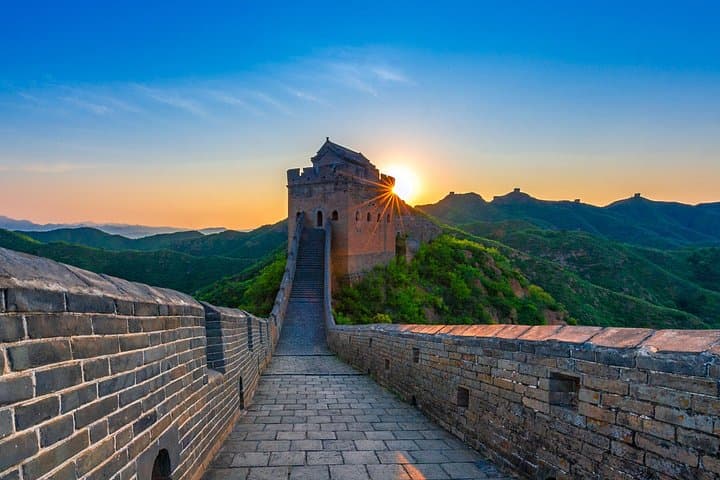


You step off the minivan into a chill-of-mountain air that seems to push you toward the stone ramparts — the Mutianyu section of the Great Wall cuts across a spine of forested ridges, watchtowers punctuating the skyline like deliberate sentries.
You step off the minivan into a chill-of-mountain air that seems to push you toward the stone ramparts — the Mutianyu section of the Great Wall cuts across a spine of forested ridges, watchtowers punctuating the skyline like deliberate sentries.
Mutianyu was rebuilt and strengthened during the Ming dynasty and remains one of the better-preserved stretches of the Wall, its granite steps and crenellations set on steep, rolling geology shaped by glacial and river erosion. The nearby villages and Huairou valley carry rural Beijing customs: local tea houses, simple temple shrines, and roadside vendors selling roasted chestnuts.
On a typical one-day tour you’ll meet in Dongzhimen, ride 90 minutes through changing suburbs into the low mountains, then have roughly five hours at Mutianyu to walk towers, photograph panoramic valleys, or take the cable car or toboggan descent for easier access. Guides usually explain construction methods, signal systems and the Wall’s role defending northern approaches; they’ll also point out lesser-visited towers that give quieter views.
Practical edge: wear grippy shoes — sections vary from shallow slabs to steep stone steps — and layer for wind on ridge tops. Carry water and small cash for the ticket booths and snacks. Time your photos for early or late in your visit to avoid mid-day shuttle crowds. The tour’s flexible return window lets you linger at the wall or return to Beijing with stops at Olympic sites and Qianmen for a bit of city culture on the way back.