THE ADVENTURE COLLECTIVE® · Independent discovery and booking for outdoor travel

Make a layover memorable with a private Spanish-speaking guide at Mutianyu: 1.5–2 hours on the wall, quiet watchtowers and seamless airport transfers. Read on for what to expect and how to prepare.
Make a layover memorable with a private Spanish-speaking guide at Mutianyu: 1.5–2 hours on the wall, quiet watchtowers and seamless airport transfers. Read on for what to expect and how to prepare.
A crisp wind moves along the stonework as travelers step from the minivan onto a broad, terraced section of the Great Wall. Here at Mutianyu the wall climbs green ridgelines and the towers stand like watchful markers; a Spanish-speaking guide leads the way, translating names, dates and the small human stories carved into mossy mortar.
Verified experiences and guided adventures in the surrounding area.
Operated by Beijing Tours by Better China Trip · Beijing, Beijing
A crisp wind moves along the stonework as travelers step from the minivan onto a broad, terraced section of the Great Wall. Here at Mutianyu the wall climbs green ridgelines and the towers stand like watchful markers; a Spanish-speaking guide leads the way, translating names, dates and the small human stories carved into mossy mortar.
Mutianyu’s surviving ramparts trace roots back to defensive lines from the Northern Qi period, with the Ming dynasty responsible for much of the existing stonework and the system of watchtowers that punctuate the ridge. Geologically, the wall runs along weathered granite and loess ridges that shape steep, irregular steps; the surrounding Huairou countryside has long supported small farming villages and the tea houses visitors now find at the base.
Expect clear historical narration from a private guide, quiet stretches away from the busiest sections, and optional short rides—cable car up or a toboggan down—that change pacing and vantage. Photographers will appreciate long sightlines across tree-covered valleys; hikers should be ready for uneven steps and sudden grade changes.
Practically: the experience is designed for short layovers—plan 4–6 hours total including transfers. Bring a passport for pickup, sturdy shoes for stone steps, water and sun protection, and a watch on timing to ensure a timely return to the airport. The guide will handle entrance and logistics, but visitors should budget extra for the cable car or toboggan if desired. Mutianyu rewards focused time: move deliberately, listen to local context, and leave enough margin for traffic when returning to Beijing’s terminals.
Yes—entrance to the Mutianyu section is included in the tour price; optional cable car and toboggan rides are extra.
Both are available on-site for an additional fee; lines vary by season—allow extra time if you plan to use them.
Yes—the tour is designed for layovers with 4–6 hours total runtime, but always allow traffic buffer and arrive with confirmed pickup details.
The base area and some paths are stroller-accessible, but the wall itself has many stairs and uneven sections that are not wheelchair-friendly.
Beijing Tours by Better China Trip operates guided outdoor trips and adventures with an emphasis on safety, stewardship, and memorable experiences.
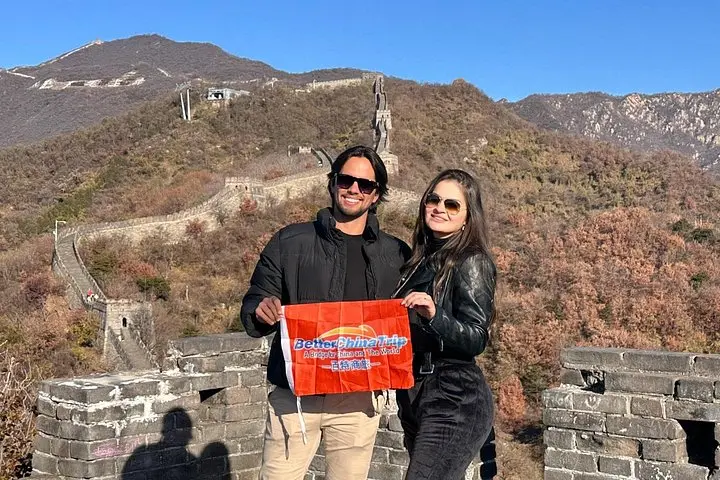
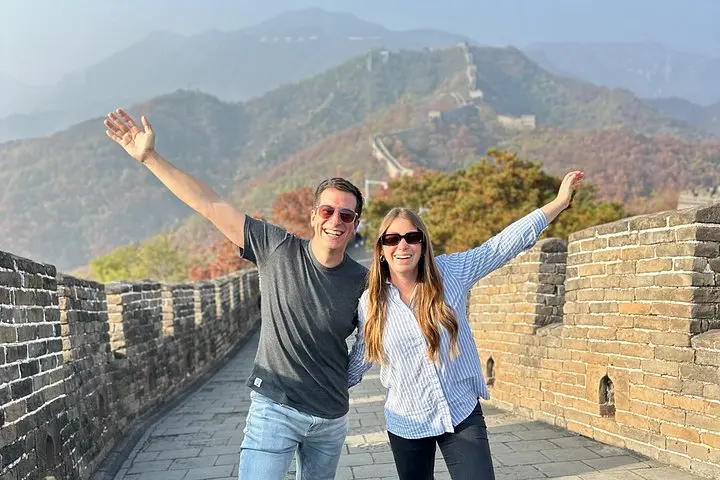

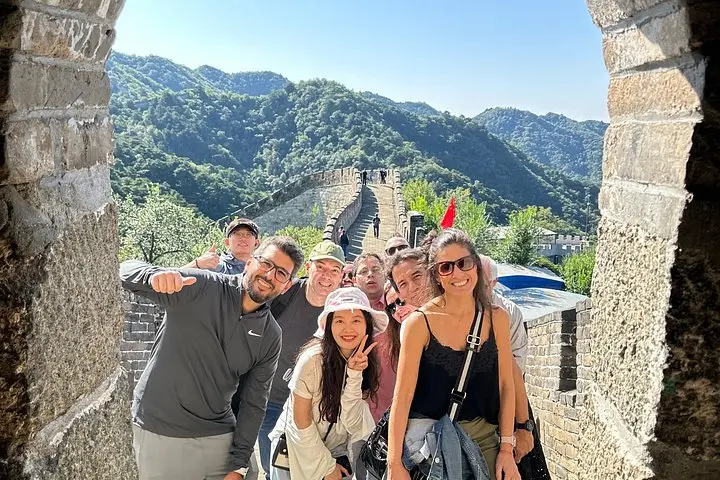
A crisp wind moves along the stonework as travelers step from the minivan onto a broad, terraced section of the Great Wall. Here at Mutianyu the wall climbs green ridgelines and the towers stand like watchful markers; a Spanish-speaking guide leads the way, translating names, dates and the small human stories carved into mossy mortar.
A crisp wind moves along the stonework as travelers step from the minivan onto a broad, terraced section of the Great Wall. Here at Mutianyu the wall climbs green ridgelines and the towers stand like watchful markers; a Spanish-speaking guide leads the way, translating names, dates and the small human stories carved into mossy mortar.
Mutianyu’s surviving ramparts trace roots back to defensive lines from the Northern Qi period, with the Ming dynasty responsible for much of the existing stonework and the system of watchtowers that punctuate the ridge. Geologically, the wall runs along weathered granite and loess ridges that shape steep, irregular steps; the surrounding Huairou countryside has long supported small farming villages and the tea houses visitors now find at the base.
Expect clear historical narration from a private guide, quiet stretches away from the busiest sections, and optional short rides—cable car up or a toboggan down—that change pacing and vantage. Photographers will appreciate long sightlines across tree-covered valleys; hikers should be ready for uneven steps and sudden grade changes.
Practically: the experience is designed for short layovers—plan 4–6 hours total including transfers. Bring a passport for pickup, sturdy shoes for stone steps, water and sun protection, and a watch on timing to ensure a timely return to the airport. The guide will handle entrance and logistics, but visitors should budget extra for the cable car or toboggan if desired. Mutianyu rewards focused time: move deliberately, listen to local context, and leave enough margin for traffic when returning to Beijing’s terminals.