THE ADVENTURE COLLECTIVE® · Independent discovery and booking for outdoor travel

Drive two hours from Beijing to Mutianyu and step onto a restored section of the Great Wall where watchtowers punctuate broad valley views. This private tour pairs a flexible itinerary with the option to hike or use the cable car.
Drive two hours from Beijing to Mutianyu and step onto a restored section of the Great Wall where watchtowers punctuate broad valley views. This private tour pairs a flexible itinerary with the option to hike or use the cable car.
A damp morning light peels back from the ridgeline as your driver eases out of Beijing and the city’s smear of concrete gives way to folded hills. Two hours later the wall appears: a serrated spine stitched with stone watchtowers, stepping up and down the mountains like a man-made ridge. At Mutianyu the restored terraces sit amid mixed pine and oak slopes, and the view down the valley often feels both exposed and immediate—wind presses against you, watchtowers hunker like old sentries.
Verified experiences and guided adventures in the surrounding area.
Operated by Private China Tours · Beijing, Beijing
A damp morning light peels back from the ridgeline as your driver eases out of Beijing and the city’s smear of concrete gives way to folded hills. Two hours later the wall appears: a serrated spine stitched with stone watchtowers, stepping up and down the mountains like a man-made ridge. At Mutianyu the restored terraces sit amid mixed pine and oak slopes, and the view down the valley often feels both exposed and immediate—wind presses against you, watchtowers hunker like old sentries.
Mutianyu was fortified and rebuilt across centuries, most visibly during the Ming dynasty when its stepped-brick walls were strengthened to defend approaches to what is now Beijing. The geology is granite and gneiss; trails climb on rocky outcrops and broadened ramps where renovation work made access easier. Local culture around Huairou reflects rural Beijing life—tea houses, small farms, and vendors selling roasted chestnuts at trailheads.
Practically: this private transfer-run tour gives you flexibility to buy entrance and cable-car tickets on site or hike from the base. Expect 2–3 hours on the wall if you explore multiple watchtowers; uneven steps and steep pitches are common. Wear sturdy shoes, bring water and layered clothing (wind at the ridge is stronger than in the valley), and allow time for short photo stops and a simple lunch near the visitor area. Your English-speaking driver can brief you en route, handle logistics, and return you to your hotel by mid-to-late afternoon—an accessible day trip that balances sightseeing with real walking on one of China's most famous fortifications.
Entrance and cable car tickets are not included by default; the driver can usually purchase them for you on site to avoid queues.
The restored section has steep steps and long stretches—expect moderate exertion, but no technical climbing is required.
Yes, there are cable car and chairlift options; you can choose to ride up and hike down or vice versa depending on energy and weather.
Yes — the tour notes say it’s suitable for most fitness levels, but those with spinal, heart, or pregnancy-related restrictions should avoid steep hikes.
Private China Tours operates guided outdoor trips and adventures with an emphasis on safety, stewardship, and memorable experiences.
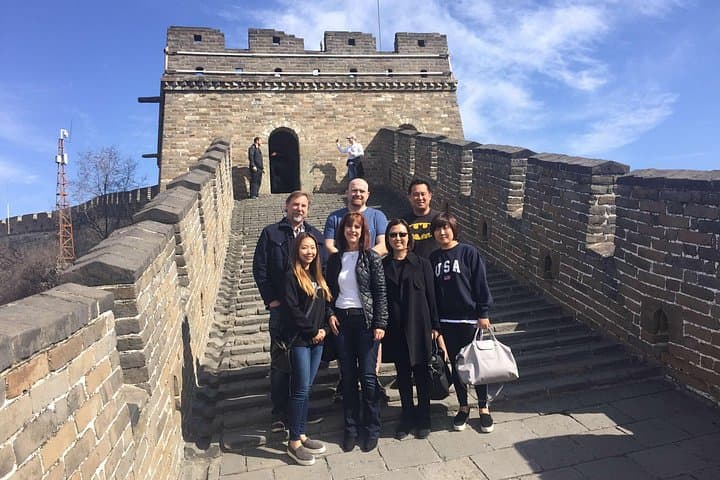
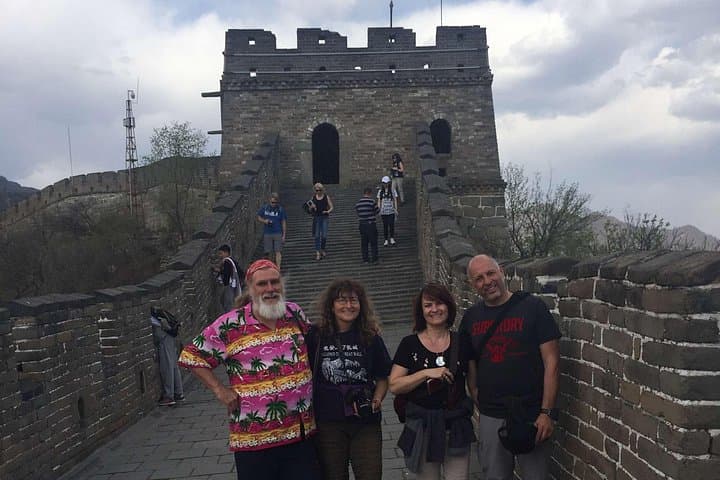
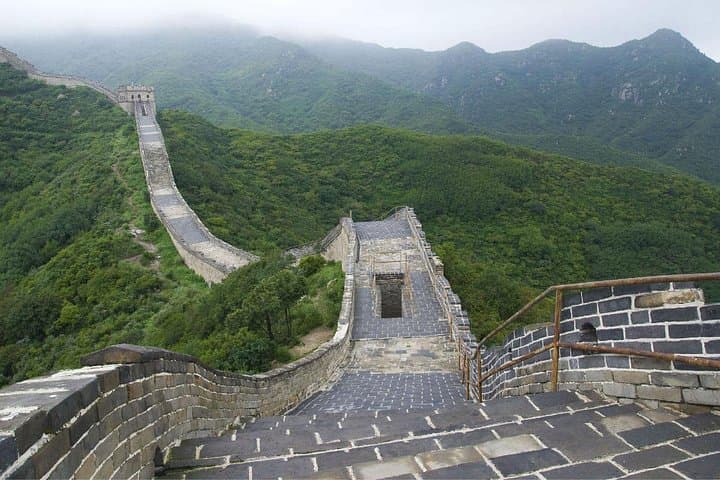
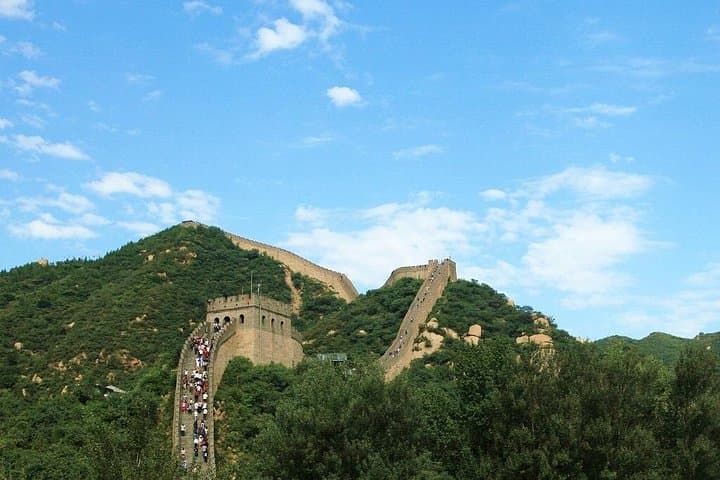
A damp morning light peels back from the ridgeline as your driver eases out of Beijing and the city’s smear of concrete gives way to folded hills. Two hours later the wall appears: a serrated spine stitched with stone watchtowers, stepping up and down the mountains like a man-made ridge. At Mutianyu the restored terraces sit amid mixed pine and oak slopes, and the view down the valley often feels both exposed and immediate—wind presses against you, watchtowers hunker like old sentries.
A damp morning light peels back from the ridgeline as your driver eases out of Beijing and the city’s smear of concrete gives way to folded hills. Two hours later the wall appears: a serrated spine stitched with stone watchtowers, stepping up and down the mountains like a man-made ridge. At Mutianyu the restored terraces sit amid mixed pine and oak slopes, and the view down the valley often feels both exposed and immediate—wind presses against you, watchtowers hunker like old sentries.
Mutianyu was fortified and rebuilt across centuries, most visibly during the Ming dynasty when its stepped-brick walls were strengthened to defend approaches to what is now Beijing. The geology is granite and gneiss; trails climb on rocky outcrops and broadened ramps where renovation work made access easier. Local culture around Huairou reflects rural Beijing life—tea houses, small farms, and vendors selling roasted chestnuts at trailheads.
Practically: this private transfer-run tour gives you flexibility to buy entrance and cable-car tickets on site or hike from the base. Expect 2–3 hours on the wall if you explore multiple watchtowers; uneven steps and steep pitches are common. Wear sturdy shoes, bring water and layered clothing (wind at the ridge is stronger than in the valley), and allow time for short photo stops and a simple lunch near the visitor area. Your English-speaking driver can brief you en route, handle logistics, and return you to your hotel by mid-to-late afternoon—an accessible day trip that balances sightseeing with real walking on one of China's most famous fortifications.