THE ADVENTURE COLLECTIVE® · Independent discovery and booking for outdoor travel

A full-day, guided exploration from Hoi An that pairs the sobering My Lai memorial with the hand-dug Ky Anh tunnels and the striking Golden Pagoda. Expect an emotional, informative day with long drives, low tunnels, and local food.
A full-day, guided exploration from Hoi An that pairs the sobering My Lai memorial with the hand-dug Ky Anh tunnels and the striking Golden Pagoda. Expect an emotional, informative day with long drives, low tunnels, and local food.
You step out of Hoi An before dawn and the coastal road opens like a long, patient story toward Quang Ngai—rice paddies leaning into the wind, lone palms marking village edges. By midmorning the memorial at My Lai sits quiet and spare; stone and simple plaques guide you through an uncomfortable chapter of 1968 when civilians were killed and a country’s memory shifted. The guide’s voice threads documentary detail into the site’s sparse geometry: photographs, a short film, and preserved remnants that insist on slow, respectful reading.
Verified experiences and guided adventures in the surrounding area.
Operated by Hoi An Cham Cham Travel · Hoi An, Quang Nam Province
You step out of Hoi An before dawn and the coastal road opens like a long, patient story toward Quang Ngai—rice paddies leaning into the wind, lone palms marking village edges. By midmorning the memorial at My Lai sits quiet and spare; stone and simple plaques guide you through an uncomfortable chapter of 1968 when civilians were killed and a country’s memory shifted. The guide’s voice threads documentary detail into the site’s sparse geometry: photographs, a short film, and preserved remnants that insist on slow, respectful reading.
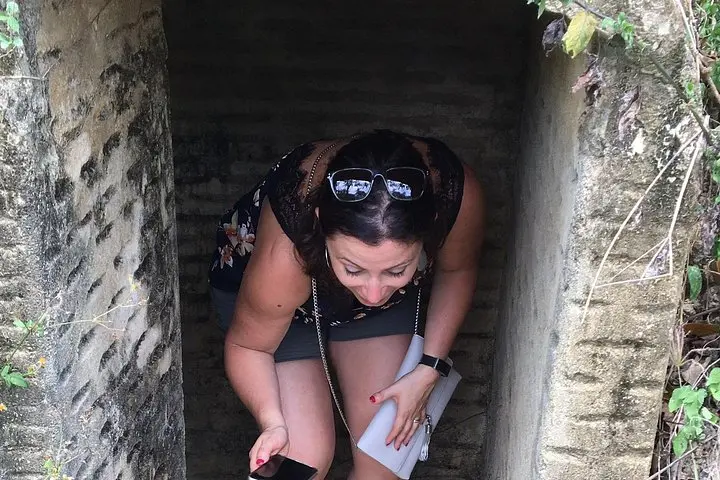
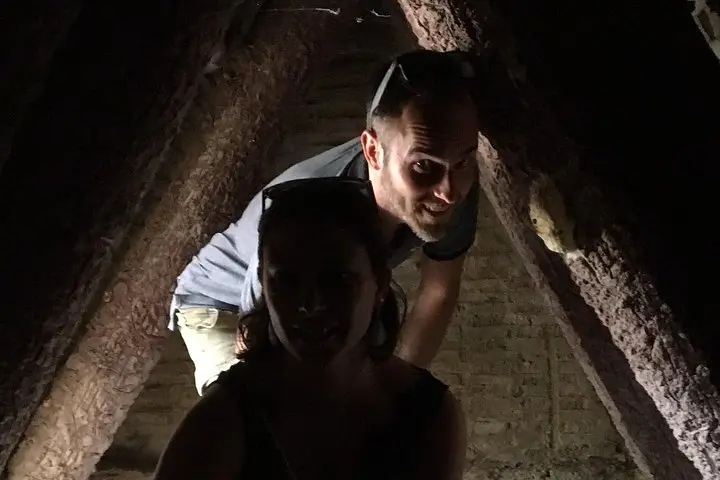
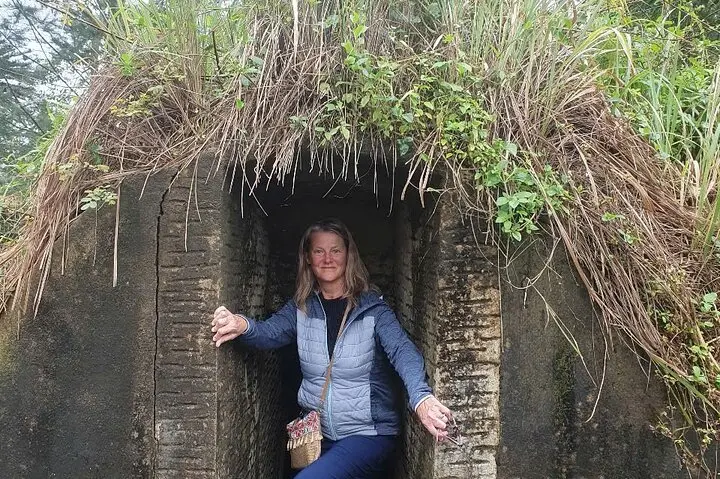
Later, the tour moves inland to Ky Anh, where hand-dug tunnels wind under fields. The tunnels are low and humid; they show craftsmanship born of survival—shallow pools, narrow galleries and camouflaged entryways that once hid fighters and supplies. Between the sites you’ll visit the modern Golden Pagoda and a local lunch, where regional Quang Ngai flavors—fish, fresh herbs, and rice—anchor the day in present life.
History here is tactile: wartime engineering, provincial politics, and local memorialization. Geologically the area is coastal plain that gives way to low karst and eroded hills; soil and water shaped how tunnels were built and how villages settled. Culture is quietly rural—children playing by irrigation canals, elders tending graves at the memorial.
Practical guidance: wear sturdy shoes for uneven ground and low tunnels, carry a light rain shell in monsoon months, and bring water and sun protection. Expect an 8–9 hour day with long vehicle transfers; plan mental space—this is an emotional, informative experience.
The tour lasts about 8–9 hours round trip from Hoi An and includes hotel pickup, transportation, and entry to listed sites.
Tunnels are low and narrow in places; you’ll need to stoop and move through dim, sometimes damp passages, but no technical caving skills are required.
Parts of the My Lai memorial grounds are accessible, but the Ky Anh tunnels are not suitable for wheelchairs due to low and uneven passages.
Yes—an authentic local lunch is included, featuring regional dishes from Quang Ngai; notify the operator of dietary needs in advance.
Hoi An Cham Cham Travel operates guided outdoor trips and adventures with an emphasis on safety, stewardship, and memorable experiences.
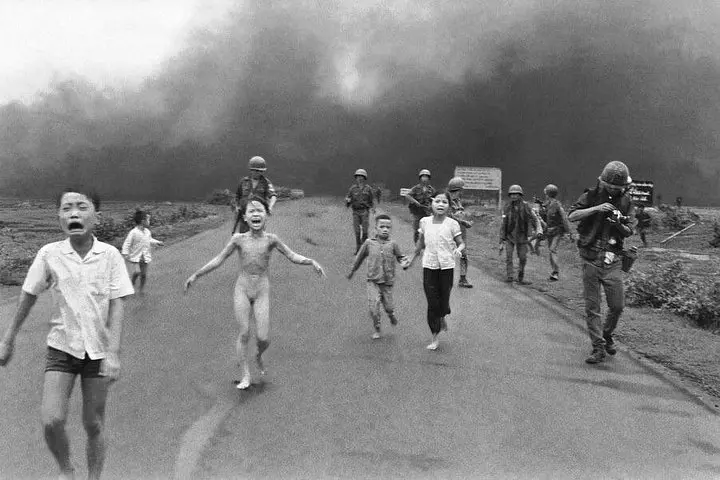
You step out of Hoi An before dawn and the coastal road opens like a long, patient story toward Quang Ngai—rice paddies leaning into the wind, lone palms marking village edges. By midmorning the memorial at My Lai sits quiet and spare; stone and simple plaques guide you through an uncomfortable chapter of 1968 when civilians were killed and a country’s memory shifted. The guide’s voice threads documentary detail into the site’s sparse geometry: photographs, a short film, and preserved remnants that insist on slow, respectful reading.
You step out of Hoi An before dawn and the coastal road opens like a long, patient story toward Quang Ngai—rice paddies leaning into the wind, lone palms marking village edges. By midmorning the memorial at My Lai sits quiet and spare; stone and simple plaques guide you through an uncomfortable chapter of 1968 when civilians were killed and a country’s memory shifted. The guide’s voice threads documentary detail into the site’s sparse geometry: photographs, a short film, and preserved remnants that insist on slow, respectful reading.
Later, the tour moves inland to Ky Anh, where hand-dug tunnels wind under fields. The tunnels are low and humid; they show craftsmanship born of survival—shallow pools, narrow galleries and camouflaged entryways that once hid fighters and supplies. Between the sites you’ll visit the modern Golden Pagoda and a local lunch, where regional Quang Ngai flavors—fish, fresh herbs, and rice—anchor the day in present life.
History here is tactile: wartime engineering, provincial politics, and local memorialization. Geologically the area is coastal plain that gives way to low karst and eroded hills; soil and water shaped how tunnels were built and how villages settled. Culture is quietly rural—children playing by irrigation canals, elders tending graves at the memorial.
Practical guidance: wear sturdy shoes for uneven ground and low tunnels, carry a light rain shell in monsoon months, and bring water and sun protection. Expect an 8–9 hour day with long vehicle transfers; plan mental space—this is an emotional, informative experience.