
My Son Holyland & Basket Boat Adventure with Lantern Making — Full-Day Private Tour from Hoi An
Walk ancient Cham temple remains, learn traditional lantern-making, and spin through Bay Mau’s coconut channels in a single private day trip from Hoi An. This full-day tour blends archaeology, craft, and a hands-on basket-boat experience.
An Adventure In Hoi An.
Walk ancient Cham temple remains, learn traditional lantern-making, and spin through Bay Mau’s coconut channels in a single private day trip from Hoi An. This full-day tour blends archaeology, craft, and a hands-on basket-boat experience.
Read the full experience
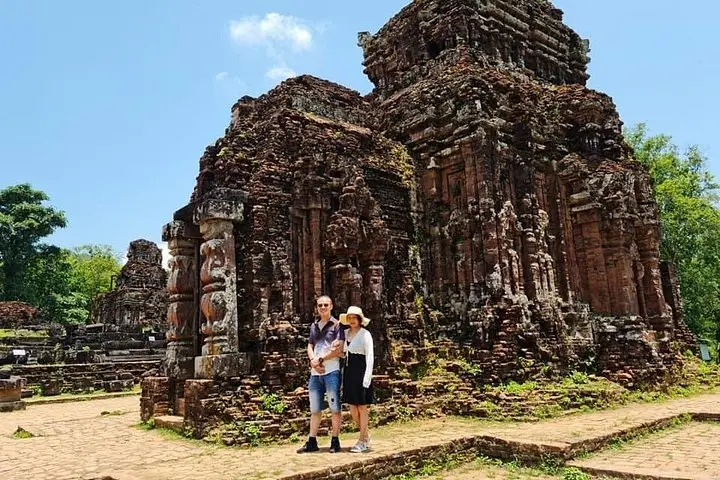
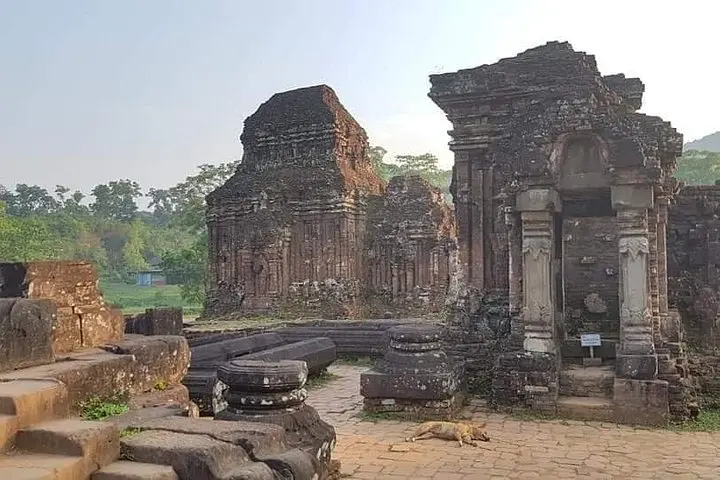
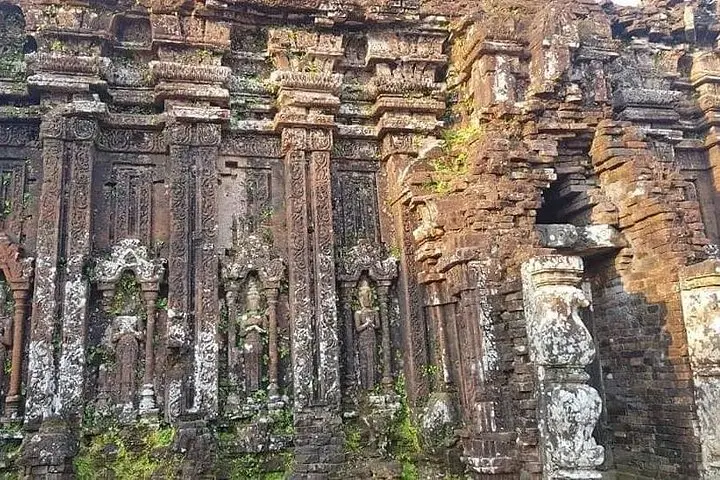
You step out of the air-conditioned van into heat that smells faintly of river mud and wood smoke. The valley opens: low, red-brick temple towers rise from shoulder-high grass while coconut palms fringe the waterways where round basket boats bob like wooden coins. Your guide moves easily between archaeology and local life, pointing out bas-reliefs then steering you toward a family-run lantern workshop.
You step out of the air-conditioned van into heat that smells faintly of river mud and wood smoke. The valley opens: low, red-brick temple towers rise from shoulder-high grass while coconut palms fringe the waterways where round basket boats bob like wooden coins. Your guide moves easily between archaeology and local life, pointing out bas-reliefs then steering you toward a family-run lantern workshop.
My Son is a Champa Kingdom site with temple foundations dating from the 4th to 13th centuries; erosion and wartime damage have left fragments of brick towers that reveal building techniques and Hindu iconography. The plain’s geology — soft alluvial soils girded by karst ridges — shaped both settlement patterns and the survival of the ruins.
Culturally, this day links past and present: Cham temple ruins, a lantern craft class passed down through households, and the Bay Mau coconut channels where boatmen still fish and crab in traditional ways. Expect a balance of walking on uneven archaeological paths, a hands-on craft session, and the surprising motion of the round basket boat as it spins through narrow mangrove arms.
Practical guidance: bring sturdy walking shoes for loose brick and short climbs, sun protection, and a dry bag for the basket-boat segment. The tour runs about 7–8 hours with hotel pickup in Hoi An or Da Nang; the site includes short electric-car transfers from the parking area. Hydrate between stops, respect fragile ruins (no climbing on towers), and allow time for the lantern lesson — you leave with both a handmade keepsake and a clearer sense of central Vietnam’s layered history.
Frequently asked questions
The private tour runs about 7–8 hours and includes hotel pickup/drop-off, entrance fees, a lantern-making class, basket boat ride, lunch, bottled water, and an English-speaking guide.
There are electric-car transfers from the drop-off to the main My Son area, but uneven temple grounds and short steps mean mobility limitations may restrict access to some ruins.
Yes—children can join both activities; infant seats and stroller access are available for transport, but parents should supervise during boat rides and craft work.
Bring secure footwear you don’t mind getting wet, a dry bag for electronics, and a quick-dry shirt; life jackets are typically provided.
About This Experience
Private Tourguides in Da Nang Hoi An Hue operates guided outdoor trips and adventures with an emphasis on safety, stewardship, and memorable experiences.
Adventure tips
Recommended gear
- Sturdy walking shoes: Provide traction on loose brick, dirt trails, and slippery wooden docks.
- Sun protection (hat + SPF): Protects against strong tropical sun during open-air temple visits and boat rides.
- Small dry bag: Keeps electronics and your lantern project safe during the basket-boat segment.
- Reusable water bottle: Refill at lunch or with bottled water provided to stay hydrated all day.
Photos of the experience
Related adventures & guides
Read the full experience
You step out of the air-conditioned van into heat that smells faintly of river mud and wood smoke. The valley opens: low, red-brick temple towers rise from shoulder-high grass while coconut palms fringe the waterways where round basket boats bob like wooden coins. Your guide moves easily between archaeology and local life, pointing out bas-reliefs then steering you toward a family-run lantern workshop.
You step out of the air-conditioned van into heat that smells faintly of river mud and wood smoke. The valley opens: low, red-brick temple towers rise from shoulder-high grass while coconut palms fringe the waterways where round basket boats bob like wooden coins. Your guide moves easily between archaeology and local life, pointing out bas-reliefs then steering you toward a family-run lantern workshop.
My Son is a Champa Kingdom site with temple foundations dating from the 4th to 13th centuries; erosion and wartime damage have left fragments of brick towers that reveal building techniques and Hindu iconography. The plain’s geology — soft alluvial soils girded by karst ridges — shaped both settlement patterns and the survival of the ruins.
Culturally, this day links past and present: Cham temple ruins, a lantern craft class passed down through households, and the Bay Mau coconut channels where boatmen still fish and crab in traditional ways. Expect a balance of walking on uneven archaeological paths, a hands-on craft session, and the surprising motion of the round basket boat as it spins through narrow mangrove arms.
Practical guidance: bring sturdy walking shoes for loose brick and short climbs, sun protection, and a dry bag for the basket-boat segment. The tour runs about 7–8 hours with hotel pickup in Hoi An or Da Nang; the site includes short electric-car transfers from the parking area. Hydrate between stops, respect fragile ruins (no climbing on towers), and allow time for the lantern lesson — you leave with both a handmade keepsake and a clearer sense of central Vietnam’s layered history.
Make a day of it nearby.
Verified experiences and guided adventures in the surrounding area.