THE ADVENTURE COLLECTIVE® · Independent discovery and booking for outdoor travel

A half-day shuttle from Hoi An drops you into the valley of My Son, where red-brick Cham temples rise from the jungle. This practical guide explains what to expect—history, terrain, and how to prepare for the visit.
A half-day shuttle from Hoi An drops you into the valley of My Son, where red-brick Cham temples rise from the jungle. This practical guide explains what to expect—history, terrain, and how to prepare for the visit.
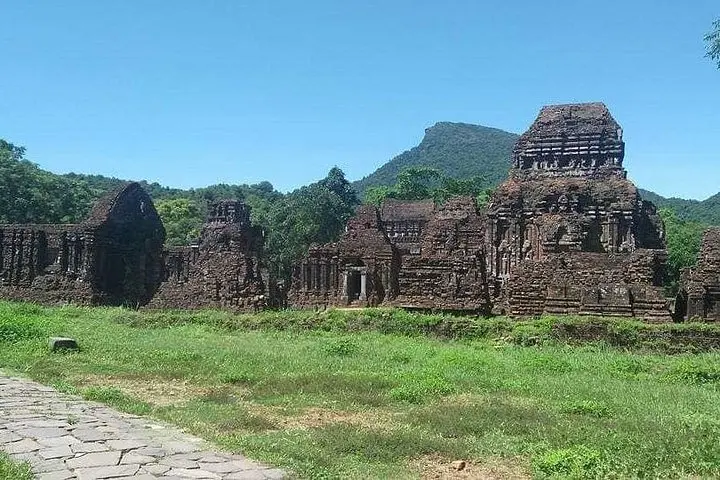
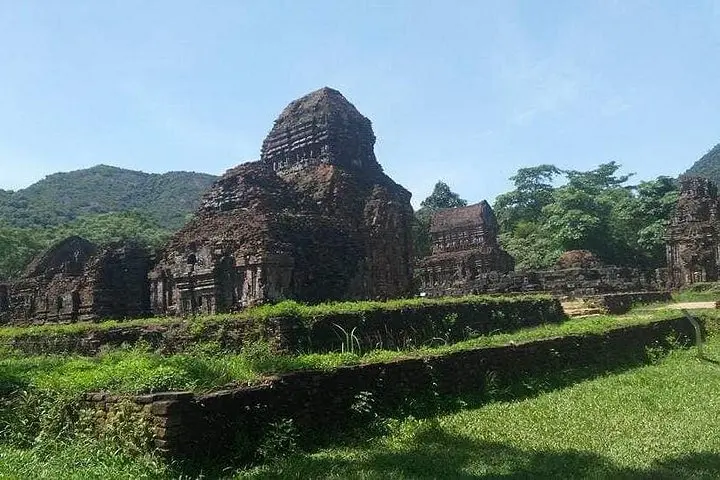
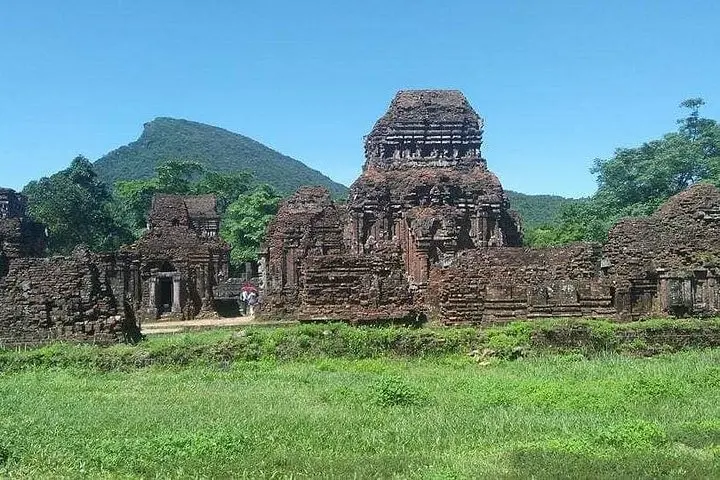
A low-slung van eases out of Hoi An before sunrise, rice paddies sliding past the windows like folded green cloth. The road climbs toward a narrow valley where red-brick towers and squat sanctuaries rise from jungle ribs; the bus lets you off at a shaded lot and a short buggy ride delivers you into the archaeological park.
Verified experiences and guided adventures in the surrounding area.
Operated by Danang Private Taxi · Duy Xuyen, Quang Nam
A low-slung van eases out of Hoi An before sunrise, rice paddies sliding past the windows like folded green cloth. The road climbs toward a narrow valley where red-brick towers and squat sanctuaries rise from jungle ribs; the bus lets you off at a shaded lot and a short buggy ride delivers you into the archaeological park.
My Son preserves the remnants of the Champa Kingdom (roughly 2nd–15th centuries), an Indianized polity whose Hindu-influenced temples were built with precision-fired brick and interlocking joints instead of mortar. Geology matters here: the site's clay-rich soils and the surrounding low limestone ridges shaped settlement patterns and the temple foundations. Local culture still commemorates Cham history in small festivals and in craft traditions that echo ancient techniques.
On arrival, travelers move between clustered groups of towers—A, B, C and beyond—each with different restoration histories and stone carvings to inspect. The setting is intimate: forested slopes press in, and the river below dares you to consider how these structures survived monsoon and war.
Practicalities: plan a half-day (4–5 hours) round trip from Hoi An or Da Nang, bring shade and water, and expect uneven surfaces and short climbs. Photography is allowed but avoid leaning on fragile carvings. Guided commentary enriches the visit; if traveling in the rainy season, build in time for mud and mosquitoes. The shuttle service simplifies logistics, leaving you to focus on the quiet, dust-fine architecture and the stories embedded in each brick.
Expect about 45–90 minutes each way depending on pickup location and traffic; the full experience is 4–5 hours including site time.
Basic restrooms and a small kiosk area are available near the main parking lot; bring snacks if you prefer specific options.
Some sections have gentle pathways, but many temple areas require navigating uneven ground and steps—access is limited for wheelchairs.
Drivers provide transportation only; a local guide or audio guide adds historical context and explains inscriptions and architectural details.
Danang Private Taxi operates guided outdoor trips and adventures with an emphasis on safety, stewardship, and memorable experiences.

A low-slung van eases out of Hoi An before sunrise, rice paddies sliding past the windows like folded green cloth. The road climbs toward a narrow valley where red-brick towers and squat sanctuaries rise from jungle ribs; the bus lets you off at a shaded lot and a short buggy ride delivers you into the archaeological park.
A low-slung van eases out of Hoi An before sunrise, rice paddies sliding past the windows like folded green cloth. The road climbs toward a narrow valley where red-brick towers and squat sanctuaries rise from jungle ribs; the bus lets you off at a shaded lot and a short buggy ride delivers you into the archaeological park.
My Son preserves the remnants of the Champa Kingdom (roughly 2nd–15th centuries), an Indianized polity whose Hindu-influenced temples were built with precision-fired brick and interlocking joints instead of mortar. Geology matters here: the site's clay-rich soils and the surrounding low limestone ridges shaped settlement patterns and the temple foundations. Local culture still commemorates Cham history in small festivals and in craft traditions that echo ancient techniques.
On arrival, travelers move between clustered groups of towers—A, B, C and beyond—each with different restoration histories and stone carvings to inspect. The setting is intimate: forested slopes press in, and the river below dares you to consider how these structures survived monsoon and war.
Practicalities: plan a half-day (4–5 hours) round trip from Hoi An or Da Nang, bring shade and water, and expect uneven surfaces and short climbs. Photography is allowed but avoid leaning on fragile carvings. Guided commentary enriches the visit; if traveling in the rainy season, build in time for mud and mosquitoes. The shuttle service simplifies logistics, leaving you to focus on the quiet, dust-fine architecture and the stories embedded in each brick.