THE ADVENTURE COLLECTIVE® · Independent discovery and booking for outdoor travel

Explore Cham tower-temples surrounded by jungle and climb limestone peaks that push toward the sea. This full-day tour from Hoi An or Da Nang combines UNESCO history with cave visits and hands-on marble handicrafts.
Explore Cham tower-temples surrounded by jungle and climb limestone peaks that push toward the sea. This full-day tour from Hoi An or Da Nang combines UNESCO history with cave visits and hands-on marble handicrafts.
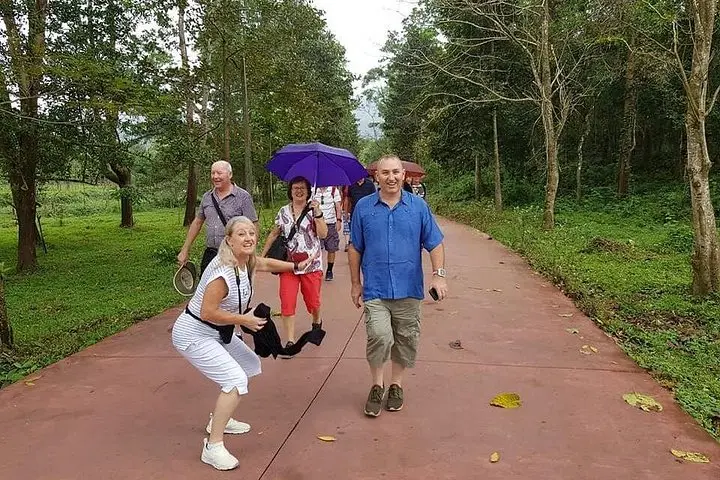
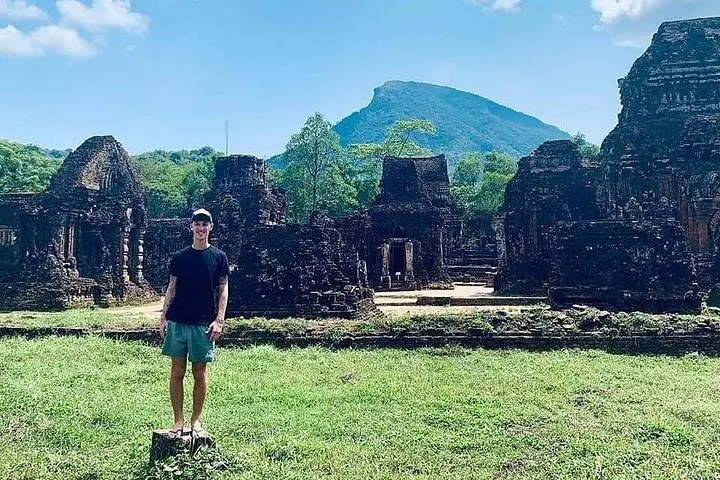
You step out of the minivan into a sunlit valley where weathered towers rise through a ring of jungle — My Son’s red-brick sanctuaries stand quiet, their bas-reliefs catching light like pages of a lost chronicle.
Verified experiences and guided adventures in the surrounding area.
Operated by My son Private Tours · Da Nang, Da Nang
You step out of the minivan into a sunlit valley where weathered towers rise through a ring of jungle — My Son’s red-brick sanctuaries stand quiet, their bas-reliefs catching light like pages of a lost chronicle.
Built by the Cham from the 4th to 13th century, My Son was a religious and political center; its tower-temples were assembled without mortar and carved to honor Hindu deities. The site’s low limestone ridges and river-fed valley tell of tectonic uplift and long coastal sedimentation that shaped the region.
Later the road bends toward Marble Mountain, five limestone-and-marble hills that thrust toward the sea — each named for an element — with caves that once sheltered monks and, in wartime, tended the wounded. Atop narrow viewing platforms the city and coastline spread like a moving map, and below artisans in Non Nuoc village coax veins of marble into bowls and Buddhas.
Practical guidance: the full day lasts about seven hours with two 90-minute stops at each site; expect uneven stone steps and short cave climbs. Wear sturdy shoes, bring sun protection and at least 1–1.5 liters of water, and carry small bills for entrance fees, donations, or handicrafts. Midday is hottest and busiest — morning departures are cooler and quieter.
Respect active shrines, listen to your guide for historical context and safety, and leave time to browse the marble workshops for locally carved keepsakes.
The tour is about seven hours and typically includes hotel pickup, guide, bottled water, lunch (local noodle), entrance tickets and transport by air-conditioned vehicle.
Children can join but must be accompanied by an adult; the sites include stairs and uneven terrain, so it is not ideal for people with serious mobility limitations.
Yes — the Non Nuoc marble village near Marble Mountain has workshops where you can watch carving and purchase locally made marble pieces; bring cash for small purchases.
Many operators provide instant confirmation and include entrance tickets, but visiting during peak season benefits from booking in advance to secure your preferred pickup time.
My son Private Tours operates guided outdoor trips and adventures with an emphasis on safety, stewardship, and memorable experiences.


You step out of the minivan into a sunlit valley where weathered towers rise through a ring of jungle — My Son’s red-brick sanctuaries stand quiet, their bas-reliefs catching light like pages of a lost chronicle.
You step out of the minivan into a sunlit valley where weathered towers rise through a ring of jungle — My Son’s red-brick sanctuaries stand quiet, their bas-reliefs catching light like pages of a lost chronicle.
Built by the Cham from the 4th to 13th century, My Son was a religious and political center; its tower-temples were assembled without mortar and carved to honor Hindu deities. The site’s low limestone ridges and river-fed valley tell of tectonic uplift and long coastal sedimentation that shaped the region.
Later the road bends toward Marble Mountain, five limestone-and-marble hills that thrust toward the sea — each named for an element — with caves that once sheltered monks and, in wartime, tended the wounded. Atop narrow viewing platforms the city and coastline spread like a moving map, and below artisans in Non Nuoc village coax veins of marble into bowls and Buddhas.
Practical guidance: the full day lasts about seven hours with two 90-minute stops at each site; expect uneven stone steps and short cave climbs. Wear sturdy shoes, bring sun protection and at least 1–1.5 liters of water, and carry small bills for entrance fees, donations, or handicrafts. Midday is hottest and busiest — morning departures are cooler and quieter.
Respect active shrines, listen to your guide for historical context and safety, and leave time to browse the marble workshops for locally carved keepsakes.