THE ADVENTURE COLLECTIVE® · Independent discovery and booking for outdoor travel

Experience My Son at its most atmospheric—late afternoon light, fewer crowds, and a guided walk through Cham tower-temples dating from the 4th–13th centuries. This sunset tour pairs archaeological insight with practical tips for touring the valley on foot.
Experience My Son at its most atmospheric—late afternoon light, fewer crowds, and a guided walk through Cham tower-temples dating from the 4th–13th centuries. This sunset tour pairs archaeological insight with practical tips for touring the valley on foot.
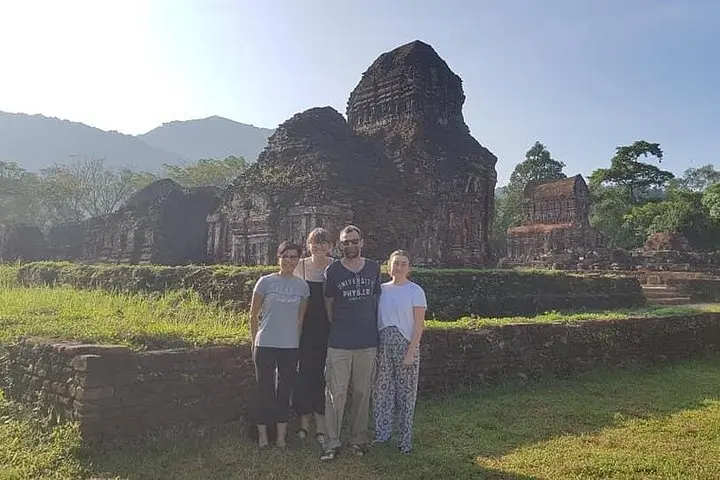
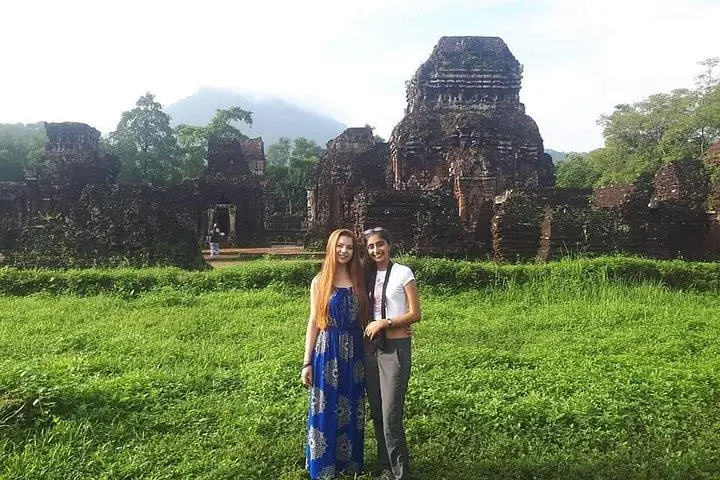
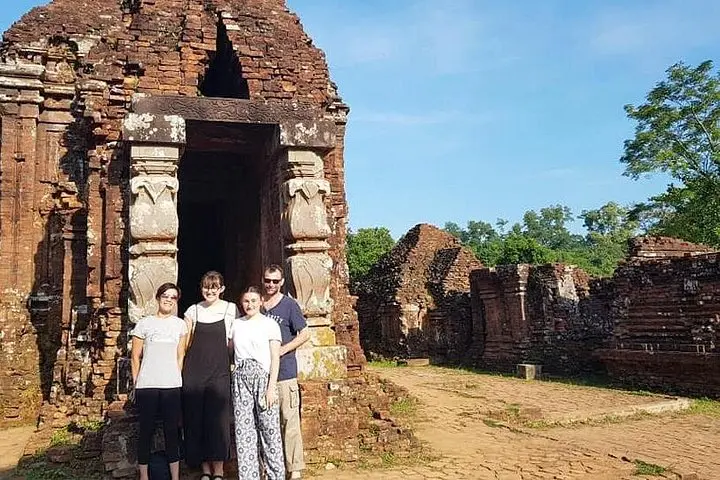
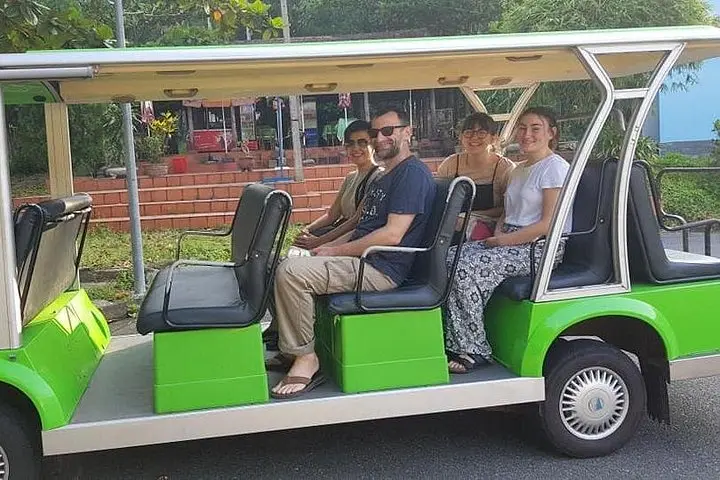
You arrive as the valley cools and the last light stretches across compacted-brick towers: shadows scrape the carved lintels while the surrounding forest seems to hold its breath. An electric shuttle drops you near the paths and a local guide leads you through courtyards where sandstone bas-reliefs still catch sun like a slow-burning ember.
Verified experiences and guided adventures in the surrounding area.
Operated by Private Tourguides in Da Nang Hoi An Hue · My Son, Quang Nam
You arrive as the valley cools and the last light stretches across compacted-brick towers: shadows scrape the carved lintels while the surrounding forest seems to hold its breath. An electric shuttle drops you near the paths and a local guide leads you through courtyards where sandstone bas-reliefs still catch sun like a slow-burning ember.
My Son is the ritual heart of the Champa Kingdom, with tower-temples built between the 4th and 13th centuries, dedicated to Hindu deities and mounted from fired brick without mortar. The site sits in a low volcanic basin; the brown bricks and laterite plinths read like layers of regional geology where human craft met tropical weather. Much of the complex was damaged during 20th-century conflicts and restored in phases; UNESCO protection emphasizes both archaeology and living Cham cultural connections.
The tour centers on history and interpretation, but the pace is intentional: quieter late afternoons mean softer light for photography and fewer tour buses. Expect uneven packed-earth paths, short uphill approaches between clusters, and limited shade inside temple courtyards.
Practical edge: bring a headlamp or flashlight if you plan to linger after official hours, wear closed shoes for short walks from drop-off points, and carry water—the bottleneck is sun and humidity rather than distance. Guides here explain construction techniques, iconography, and the restored fragments while pointing out lesser-known niches and carved scenes. Sunset is cinematic, but the experience is as much about listening to the valley and understanding the Champa people as it is about the final light.
Pickup typically takes about 45–75 minutes from Hoi An and 60–90 minutes from central Da Nang depending on traffic.
The tour notes wheelchair-accessible options and electric shuttles to the main drop-off; however, some temple platforms have steps and uneven surfaces.
Yes—sunset is a prime time for photography. Tripods may be restricted during busy times, so check with your guide.
Yes, the tour includes entrance tickets and an English-speaking guide; confirm any reduced-rate eligibility before booking.
Private Tourguides in Da Nang Hoi An Hue operates guided outdoor trips and adventures with an emphasis on safety, stewardship, and memorable experiences.
You arrive as the valley cools and the last light stretches across compacted-brick towers: shadows scrape the carved lintels while the surrounding forest seems to hold its breath. An electric shuttle drops you near the paths and a local guide leads you through courtyards where sandstone bas-reliefs still catch sun like a slow-burning ember.
You arrive as the valley cools and the last light stretches across compacted-brick towers: shadows scrape the carved lintels while the surrounding forest seems to hold its breath. An electric shuttle drops you near the paths and a local guide leads you through courtyards where sandstone bas-reliefs still catch sun like a slow-burning ember.
My Son is the ritual heart of the Champa Kingdom, with tower-temples built between the 4th and 13th centuries, dedicated to Hindu deities and mounted from fired brick without mortar. The site sits in a low volcanic basin; the brown bricks and laterite plinths read like layers of regional geology where human craft met tropical weather. Much of the complex was damaged during 20th-century conflicts and restored in phases; UNESCO protection emphasizes both archaeology and living Cham cultural connections.
The tour centers on history and interpretation, but the pace is intentional: quieter late afternoons mean softer light for photography and fewer tour buses. Expect uneven packed-earth paths, short uphill approaches between clusters, and limited shade inside temple courtyards.
Practical edge: bring a headlamp or flashlight if you plan to linger after official hours, wear closed shoes for short walks from drop-off points, and carry water—the bottleneck is sun and humidity rather than distance. Guides here explain construction techniques, iconography, and the restored fragments while pointing out lesser-known niches and carved scenes. Sunset is cinematic, but the experience is as much about listening to the valley and understanding the Champa people as it is about the final light.