THE ADVENTURE COLLECTIVE® · Independent discovery and booking for outdoor travel

Spend an afternoon exploring the Champa ruins at My Son and learning traditional rice-paper making with local artisans. This half-day tour from Da Nang blends archaeological insight with hands-on cultural exchange.
Spend an afternoon exploring the Champa ruins at My Son and learning traditional rice-paper making with local artisans. This half-day tour from Da Nang blends archaeological insight with hands-on cultural exchange.
You arrive in the late afternoon and the valley breathes around you: humid air carries the scent of cut grass, and red-brick towers sit like slow-thinkers against a backdrop of low karst hills. The minivan eases into the site and an electric car hums you a short way along rice paddies to the main cluster of temples, where shafts of light pick out carved lintels and lotus motifs.
Verified experiences and guided adventures in the surrounding area.
Operated by Charm Tourist · Duy Xuyen, Quang Nam
You arrive in the late afternoon and the valley breathes around you: humid air carries the scent of cut grass, and red-brick towers sit like slow-thinkers against a backdrop of low karst hills. The minivan eases into the site and an electric car hums you a short way along rice paddies to the main cluster of temples, where shafts of light pick out carved lintels and lotus motifs.
My Son was the religious heart of the Champa Kingdom from roughly the 4th to 13th centuries; its temples are built from fired brick joined by lime mortar, surviving earthquakes, jungle growth, and wartime damage. Geologically, the site rests in a sheltered valley of alluvial soils with surrounding limestone ridges that funnel monsoon clouds — the weather shapes both the ruins and the rice fields that feed nearby villages.
Culturally, expect hymns of Vietnamese hospitality: an Apsara dance performance at the site, a local guide translating myth and function, then a short transfer to a family workshop where you’ll press and dry rice paper by hand. The activity is tactile and immediate — a direct connection to regional foodways.
Practical guidance: arrive in light, breathable clothing and closed-toe shoes for uneven paths; bring sun protection and a light rain layer in wet months. The afternoon schedule compresses walking into 60–90 minutes on compacted dirt and grass with low elevation change, so it’s accessible but requires steady footing. Hydrate before you go — bottled water is provided — and keep some cash for small market purchases. The tour pairs cultural context with hands-on craft, making it a focused half-day that suits travelers who want history plus local interaction without an overnight commitment.
Pickup from central Da Nang typically takes 45–60 minutes one way, depending on traffic and your hotel location.
My Son entrance fees, bottled water, and a traditional Vietnamese dinner are included; small personal purchases at the village are not.
Yes—children can participate in the hands-on rice paper process, but parental supervision is recommended near cooking or hot drying surfaces.
The main ruins require walking on uneven paths and include raised earth and steps; electric cars reduce the initial walk but full accessibility is limited.
Charm Tourist operates guided outdoor trips and adventures with an emphasis on safety, stewardship, and memorable experiences.
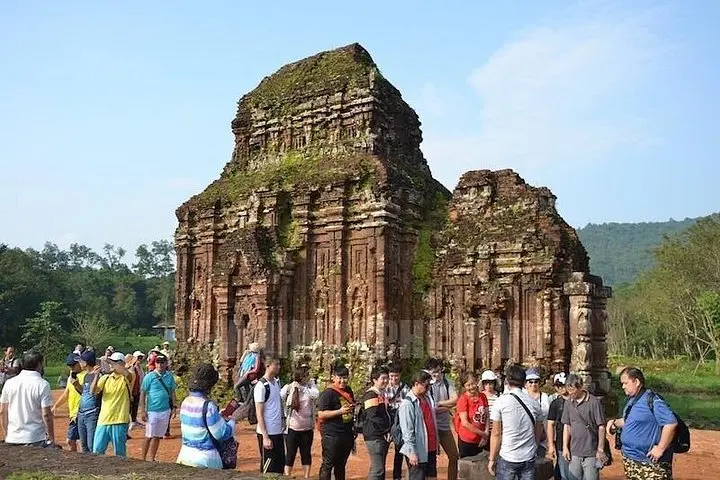
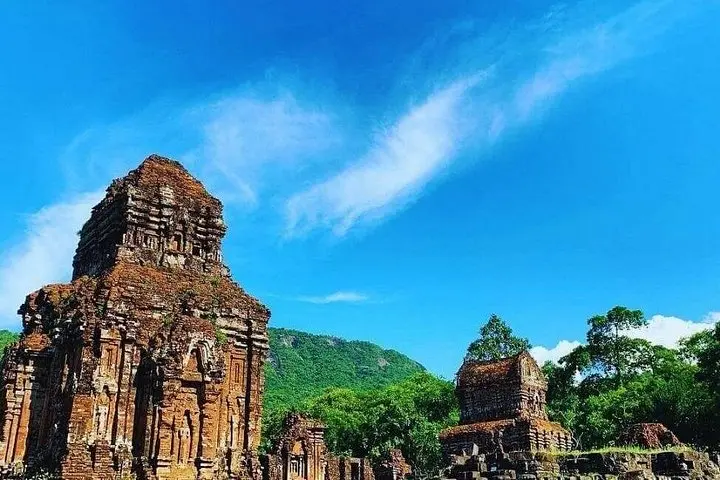
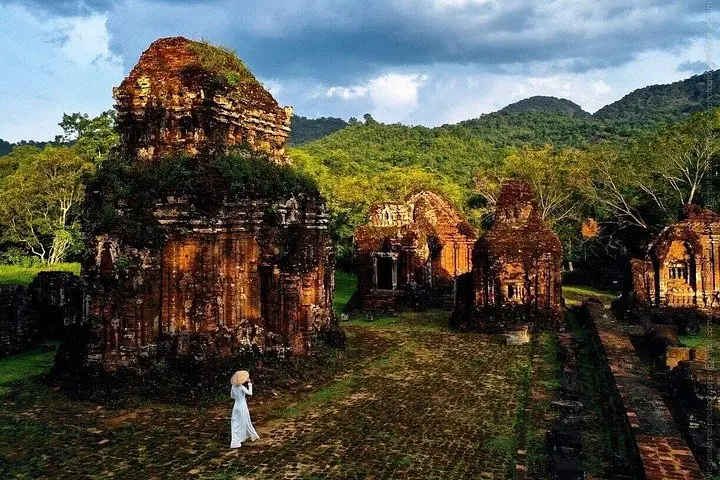
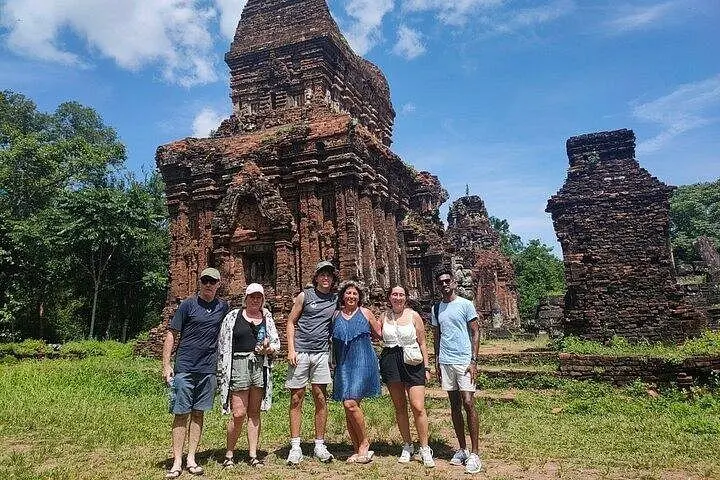
You arrive in the late afternoon and the valley breathes around you: humid air carries the scent of cut grass, and red-brick towers sit like slow-thinkers against a backdrop of low karst hills. The minivan eases into the site and an electric car hums you a short way along rice paddies to the main cluster of temples, where shafts of light pick out carved lintels and lotus motifs.
You arrive in the late afternoon and the valley breathes around you: humid air carries the scent of cut grass, and red-brick towers sit like slow-thinkers against a backdrop of low karst hills. The minivan eases into the site and an electric car hums you a short way along rice paddies to the main cluster of temples, where shafts of light pick out carved lintels and lotus motifs.
My Son was the religious heart of the Champa Kingdom from roughly the 4th to 13th centuries; its temples are built from fired brick joined by lime mortar, surviving earthquakes, jungle growth, and wartime damage. Geologically, the site rests in a sheltered valley of alluvial soils with surrounding limestone ridges that funnel monsoon clouds — the weather shapes both the ruins and the rice fields that feed nearby villages.
Culturally, expect hymns of Vietnamese hospitality: an Apsara dance performance at the site, a local guide translating myth and function, then a short transfer to a family workshop where you’ll press and dry rice paper by hand. The activity is tactile and immediate — a direct connection to regional foodways.
Practical guidance: arrive in light, breathable clothing and closed-toe shoes for uneven paths; bring sun protection and a light rain layer in wet months. The afternoon schedule compresses walking into 60–90 minutes on compacted dirt and grass with low elevation change, so it’s accessible but requires steady footing. Hydrate before you go — bottled water is provided — and keep some cash for small market purchases. The tour pairs cultural context with hands-on craft, making it a focused half-day that suits travelers who want history plus local interaction without an overnight commitment.