THE ADVENTURE COLLECTIVE® · Independent discovery and booking for outdoor travel

Spend a day moving from the mossed towers of My Son Sanctuary to the lantern-lined alleys of Hoi An Ancient Town. This private tour pairs Cham ruins, local culture and a guided walk through UNESCO-listed streets.
Spend a day moving from the mossed towers of My Son Sanctuary to the lantern-lined alleys of Hoi An Ancient Town. This private tour pairs Cham ruins, local culture and a guided walk through UNESCO-listed streets.
The sun rises over paddy fields as your car leaves Da Nang, the road opening like a ribbon toward temples and lantern-lit streets. By midmorning the red-brick towers of My Son sit half-hidden in a shallow valley, stonework softened by moss and the humid air; later, Hoi An’s narrow lanes open to the river, wooden shopfronts and the steady hum of tailoring shops.
Verified experiences and guided adventures in the surrounding area.
Operated by Chill Tourist · Hoi An, Quang Nam
The sun rises over paddy fields as your car leaves Da Nang, the road opening like a ribbon toward temples and lantern-lit streets. By midmorning the red-brick towers of My Son sit half-hidden in a shallow valley, stonework softened by moss and the humid air; later, Hoi An’s narrow lanes open to the river, wooden shopfronts and the steady hum of tailoring shops.
My Son was the spiritual center of the Cham kingdom from the 4th to 13th centuries—brick sanctuaries raised on laterite foundations, a different architectural vocabulary from nearby Vietnamese dynasties. Hoi An, a busy port from the 16th to 19th centuries, preserves Chinese assembly halls, a Japanese-covered bridge, and a street pattern that still guides daily life.
Geology here is gentle: lowlands, alluvial plains and limestone outcrops that supplied building stone for Cham towers. Cultural life remains tactile—Cham dances performed at My Son, Hoi An’s lantern-makers, and riverside markets that still move rice and seafood the way they have for generations.
Practical guidance: expect a full 8-hour day with two main walking periods—about two hours at My Son over uneven trails and two hours wandering Hoi An on mostly flat cobblestones. Wear comfortable walking shoes, sun protection and bring a refillable water bottle. Photography is permitted in many areas but stay behind barriers around fragile ruins. Lunch is included; the private guide and air-conditioned vehicle make the logistics straightforward. Morning visits avoid the hottest part of the day and often mean fewer crowds. This is a low-strain, high-reward cultural day that pairs inland ruins with coastal town life.
Yes—this tour includes sightseeing tickets for My Son and Hoi An as part of the package.
Yes—private tour pickup from Da Nang hotels is included; confirm your pickup point when booking.
The itinerary is low-impact overall, but My Son has uneven paths and limited shade—consider mobility and heat tolerance.
Yes—Hoi An’s tailors are nearby; allow extra time if you plan fittings, or schedule a separate visit for same-day tailoring.
Chill Tourist operates guided outdoor trips and adventures with an emphasis on safety, stewardship, and memorable experiences.
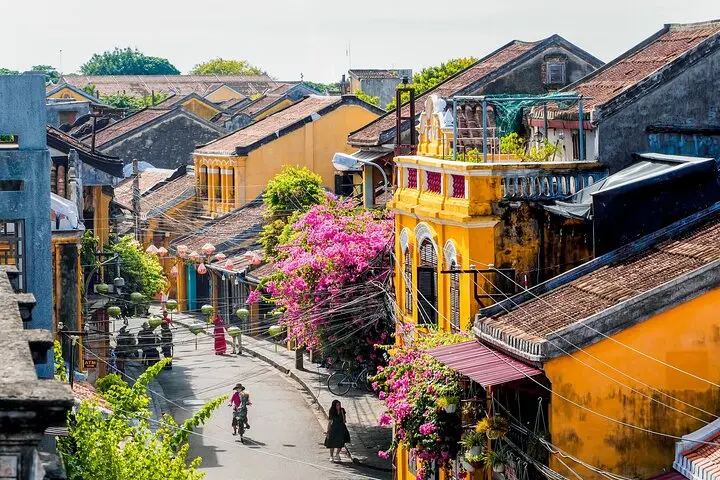
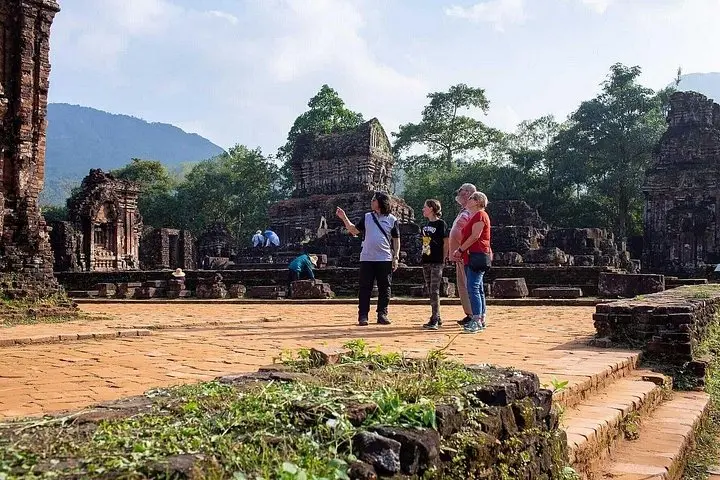
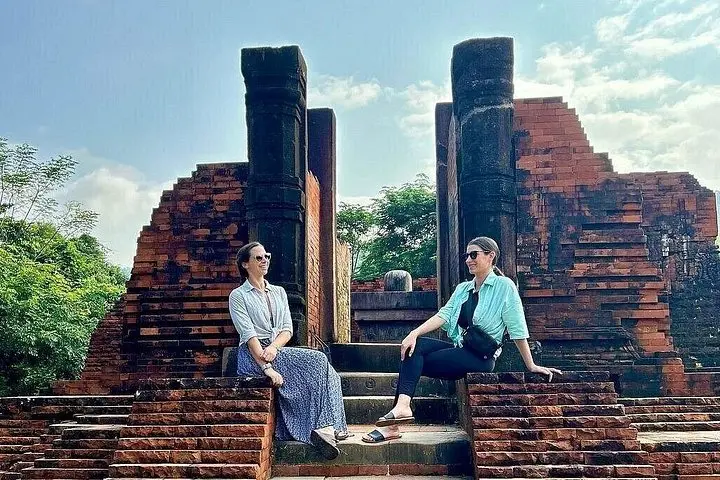
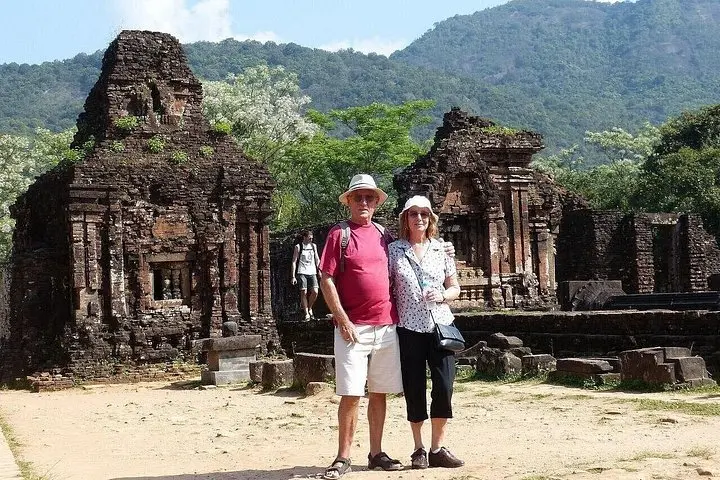
The sun rises over paddy fields as your car leaves Da Nang, the road opening like a ribbon toward temples and lantern-lit streets. By midmorning the red-brick towers of My Son sit half-hidden in a shallow valley, stonework softened by moss and the humid air; later, Hoi An’s narrow lanes open to the river, wooden shopfronts and the steady hum of tailoring shops.
The sun rises over paddy fields as your car leaves Da Nang, the road opening like a ribbon toward temples and lantern-lit streets. By midmorning the red-brick towers of My Son sit half-hidden in a shallow valley, stonework softened by moss and the humid air; later, Hoi An’s narrow lanes open to the river, wooden shopfronts and the steady hum of tailoring shops.
My Son was the spiritual center of the Cham kingdom from the 4th to 13th centuries—brick sanctuaries raised on laterite foundations, a different architectural vocabulary from nearby Vietnamese dynasties. Hoi An, a busy port from the 16th to 19th centuries, preserves Chinese assembly halls, a Japanese-covered bridge, and a street pattern that still guides daily life.
Geology here is gentle: lowlands, alluvial plains and limestone outcrops that supplied building stone for Cham towers. Cultural life remains tactile—Cham dances performed at My Son, Hoi An’s lantern-makers, and riverside markets that still move rice and seafood the way they have for generations.
Practical guidance: expect a full 8-hour day with two main walking periods—about two hours at My Son over uneven trails and two hours wandering Hoi An on mostly flat cobblestones. Wear comfortable walking shoes, sun protection and bring a refillable water bottle. Photography is permitted in many areas but stay behind barriers around fragile ruins. Lunch is included; the private guide and air-conditioned vehicle make the logistics straightforward. Morning visits avoid the hottest part of the day and often mean fewer crowds. This is a low-strain, high-reward cultural day that pairs inland ruins with coastal town life.